
Bird
Grey-headed Chickadee
Poecile cinctusAlso known as Siberian Tit, Siberian Chickadee, Grey-headed Tit
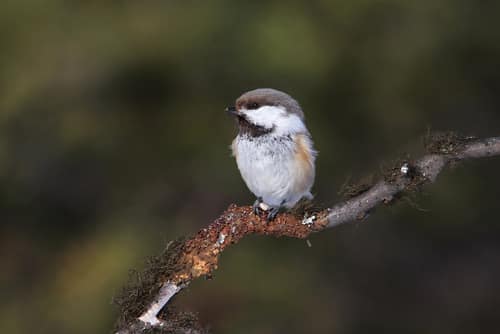
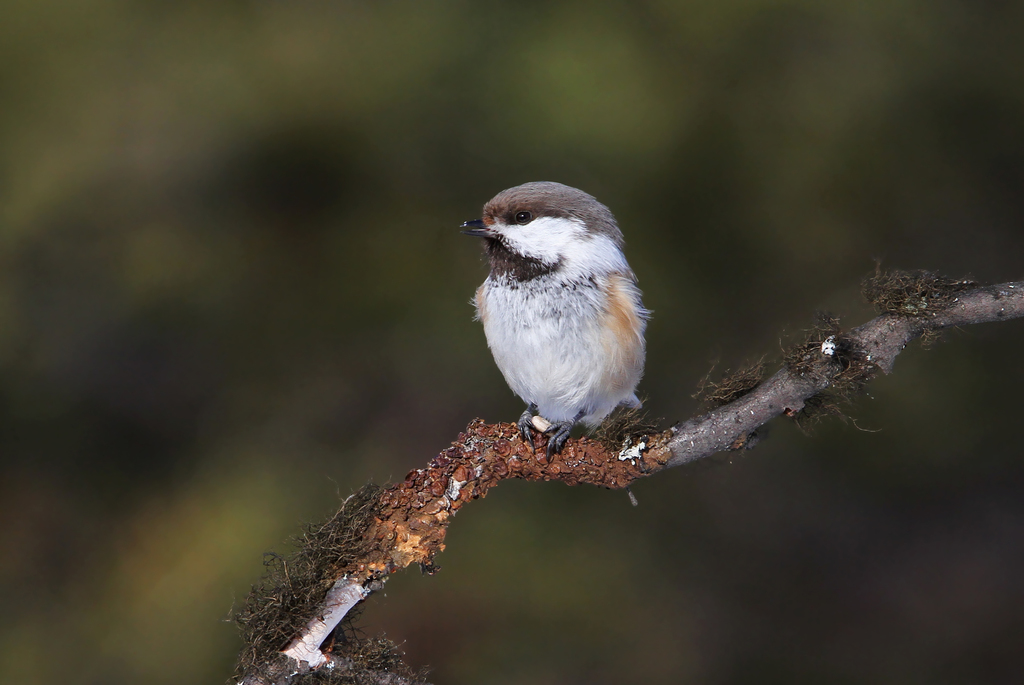
Grey-headed chickadees thrive in the harsh, frozen spruce and larch forests of the high north, relying on thick, fluffy plumage to survive sub-zero temperatures. These active little songbirds forage in pairs or small family groups, caching seeds and insect pupae in bark crevices to sustain themselves through the dark polar winter. Unlike their more common relatives, they are exceptionally quiet and elusive, often nesting in natural tree cavities or abandoned woodpecker holes.
SubarcticHardyConifer Specialist
—observations
—countries
—peak records
Least ConcernConservation statusIUCN Red List categoriesLCNTVUENCREWEXLeast ConcernRed List categories, explained →
Diet & preyCaterpillars, Spiders, Spruce Seeds
Predators
- Eurasian Pygmy Owl
- Boreal Owl
- Pine Marten
ThreatsHabitat loss from logging, climate change, and competition with other tits
HabitatsSubarctic coniferous forests, larch taiga, and willow-lined river valleys
Life span2 to 5 years
Classification
- FamilyParidae
- SpeciesPoecile cinctus
Range data is not available yet.
Interaction riskLow
- Low
- Moderate
- High
- Very high
- Why interaction risk is low
- Safe to observe at a normal distance.
- What to notice
- Look for a soft grey-brown cap, pale grey flanks, and a large white cheek patch in mature northern conifer forests.
- Support conservation
- Keep a respectful distance and avoid using playback calls, which can stress these rare birds during the breeding season.
Responsible observation
- Listen closely: Their calls are softer and more nasal than other chickadees, sounding like a quiet 'tsee-tsee-dee-dee'.
- Look high: Search the upper canopy of mature spruce and larch trees where they spend most of their time foraging.
- Respect nesting sites: Avoid approaching active cavity nests in the spring to prevent parents from abandoning their young.
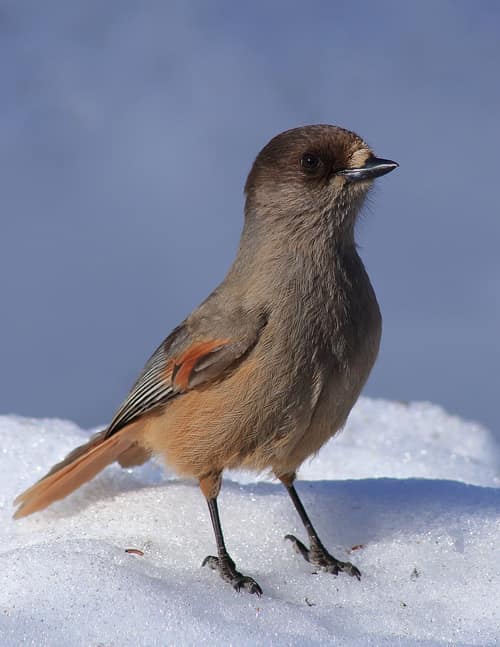
Frequent Companion Estormiz / CC0 · cc0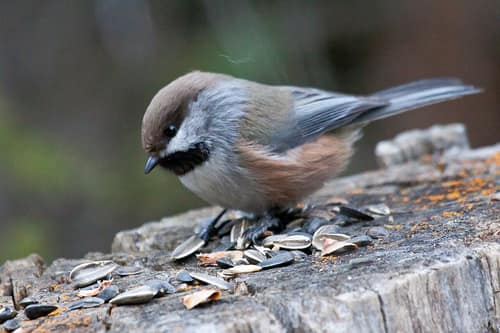
Close Relative David Mitchell / CC BY 2.0 · cc-by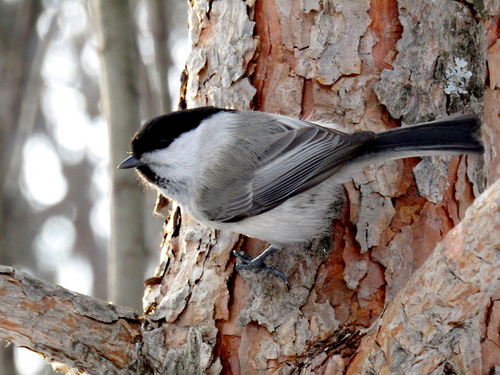
Close Relative (c) Andrew Bazdyrev, some rights reserved (CC BY), uploaded by Andrew Bazdyrev · cc-by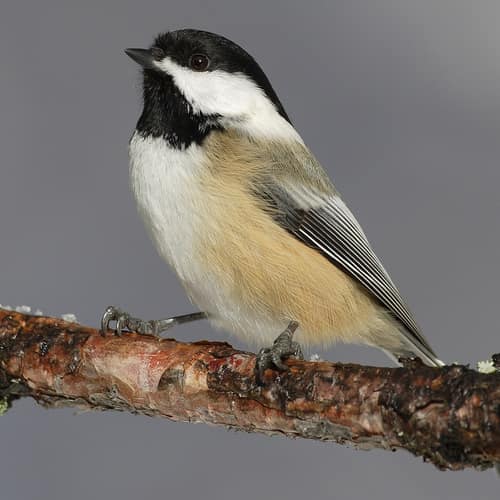
Close Relative No machine-readable author provided. Mdf assumed (based on copyright claims). / CC BY-SA 3.0 · cc-by-sa
Help improve the field guideSomething wrong?
Checking your Fauna account…Report a name, category, or profile issue for review.