
Bird
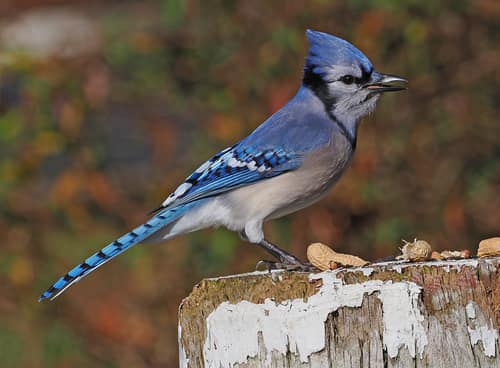
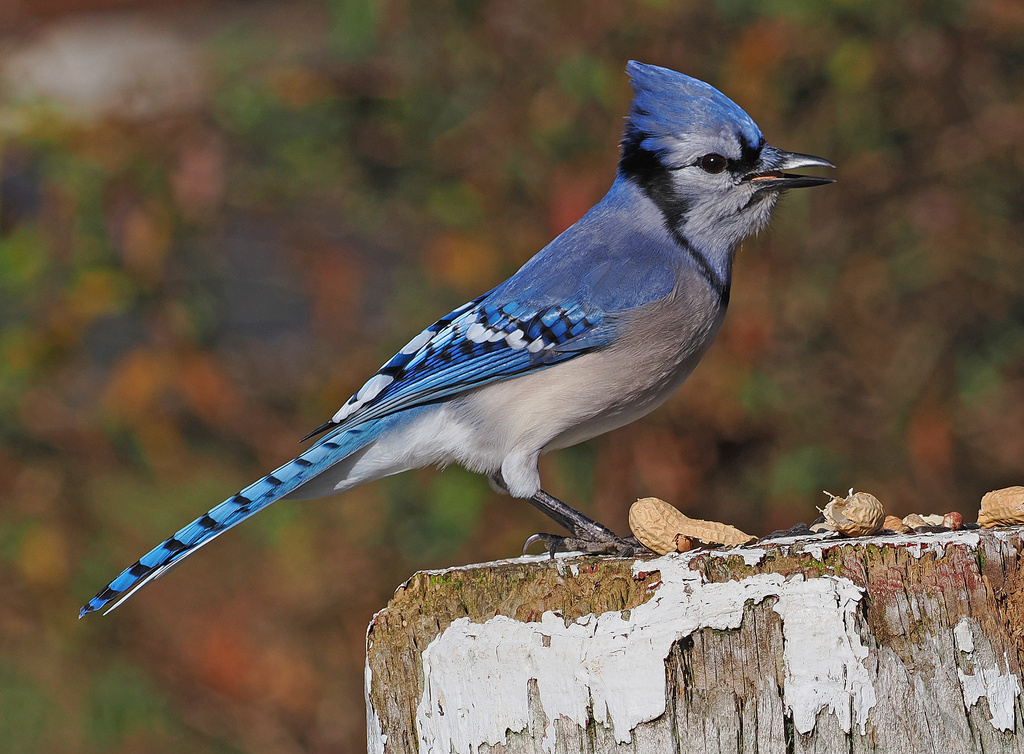
Blue Jay
Cyanocitta cristataAlso known as Jaybird
Blue Jays are strikingly intelligent corvids that play a critical role in forest regeneration by caching thousands of acorns each autumn. Their vocal repertoire includes complex mimicry of hawk calls, which they use to test for hidden predators or scatter competing birds at feeding stations. Highly social and bold, family groups aggressively mob nest predators and maintain strong year-round pair bonds.
IntelligentVocalFeeder Visitor
—observations
—countries
—peak records
Least ConcernConservation statusIUCN Red List categoriesLCNTVUENCREWEXLeast ConcernRed List categories, explained →
Diet & preyAcorns, Insects, Seeds
Predators
- Hawks
- Owls
- Domestic Cats
ThreatsCollisions with glass, predation by domestic cats, and West Nile virus
HabitatsDeciduous and coniferous forests, suburban parks, and residential yards
Life span7–10 years in the wild
Classification
- OrderPasseriformes
- FamilyCorvidae
- GenusCyanocitta
- SpeciesCyanocitta cristata
Range data is not available yet.
Interaction riskLow
- Low
- Moderate
- High
- Very high
- Why interaction risk is low
- Safe to observe at a normal distance.
Responsible observation
- Feeder Offerings: Provide whole peanuts in the shell, sunflower seeds, or suet on tray feeders.
- Nesting Space: Retain mature native trees and avoid heavy pruning during spring nesting.
- Observing Behavior: Watch for hawk mimicry calls when jays arrive near crowded bird feeders.
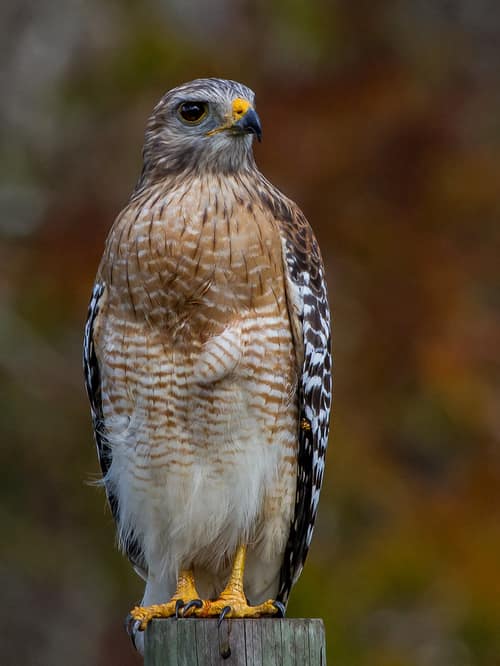
Predator "Red-shouldered Hawk (and Ladybug)" by Andy Morffew is licensed under CC BY 2.0. To view a copy of this license, visit https://creativecommons.org/licenses/by/2.0/. · cc-by
Host Plant (c) Alicia Ballard, some rights reserved (CC BY) · cc-by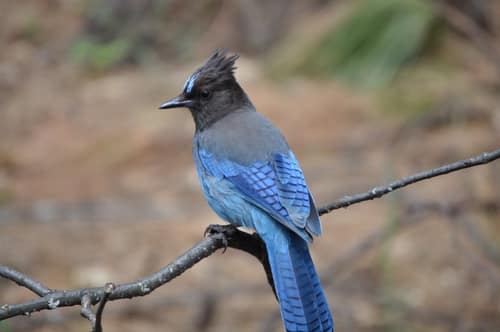
Close Relative no rights reserved, uploaded by Zoltán Stekkelpak · cc0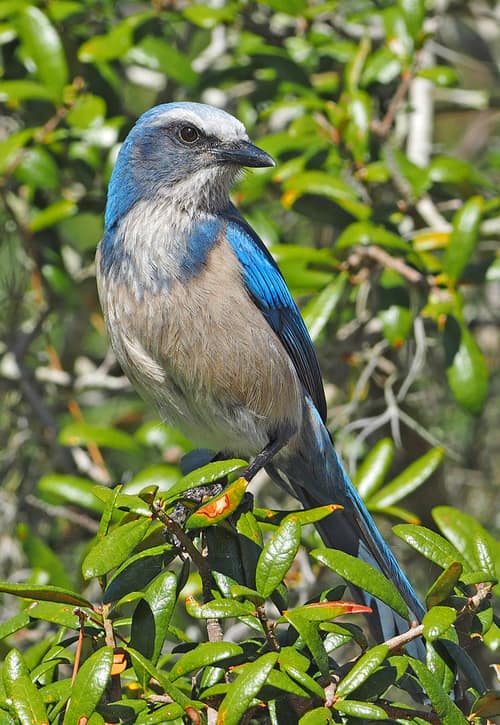
Family Member (c) Judy Gallagher, some rights reserved (CC BY) · cc-by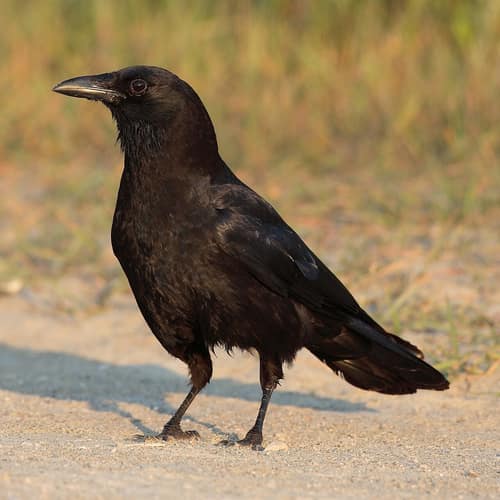
Family Member Wikimedia Commons / CC BY-SA 3.0 · cc-by-sa
Keep collecting in Fauna
Found in Collections
Ecosystem chain Pro
Secret Garden
Blue Jay is found in this collection. Identify it in Fauna to fill this slot and continue your progress.
Unlock to track progress
Help improve the field guideSomething wrong?
Checking your Fauna account…Report a name, category, or profile issue for review.