
Bird
Rook
Corvus frugilegusAlso known as Bare-faced Crow
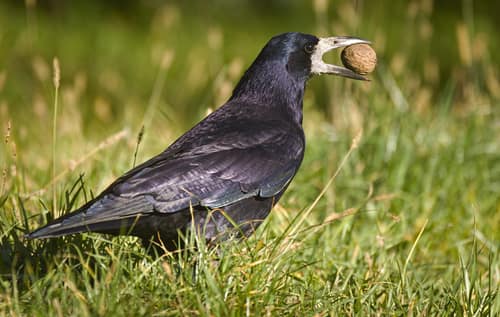
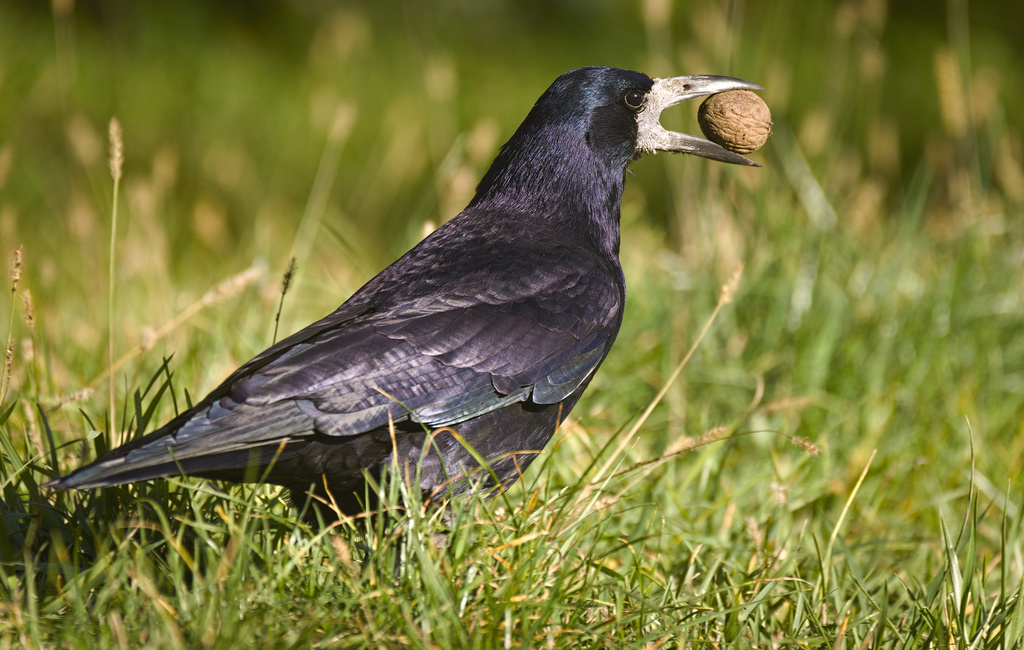
Rooks are highly social corvids easily recognized by the bare, chalky-white skin around the base of their powerful grey bills. They gather in noisy treetop colonies called rookeries, where dozens of pairs build bulky twig nests and maintain complex social hierarchies. On the ground, they walk with a characteristic swagger, probing pastures and agricultural fields for soil-dwelling grubs and fallen grain.
GregariousIntelligentUrban-tolerant
—observations
—countries
—peak records
Least ConcernConservation statusIUCN Red List categoriesLCNTVUENCREWEXLeast ConcernRed List categories, explained →
Diet & preyEarthworms, Leatherjackets, Cereal Grains
Predators
- Eurasian Eagle-Owl
- Northern Goshawk
- Red Fox
ThreatsAgricultural intensification, pesticide use reducing insect prey, and localized persecution
HabitatsAgricultural land, pastures, open woodlands, urban parks, and suburban gardens
Life spanTypically 15 to 20 years in the wild
Classification
- FamilyCorvidae
- SpeciesCorvus frugilegus
Range data is not available yet.
Interaction riskLow
- Low
- Moderate
- High
- Very high
- Why interaction risk is low
- Safe to observe from a distance; nesting adults may defend fallen chicks.
Responsible observation
- Listen for rookeries: Locate their noisy treetop colonies in early spring by listening for harsh, repeated cawing.
- Watch foraging behavior: Observe them probing pastures with their strong, pale bills to extract soil invertebrates.
- Keep your distance: Avoid lingering directly beneath active rookeries to prevent disturbance and avoid droppings.
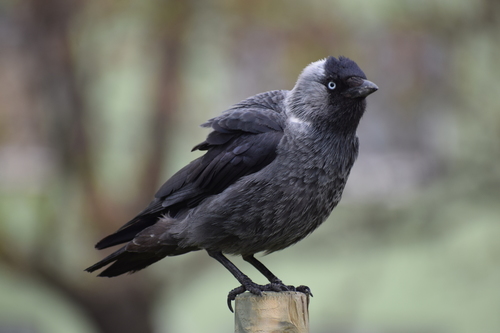
Frequent Companion (c) Gergely Nigg, some rights reserved (CC BY), uploaded by Gergely Nigg · cc-by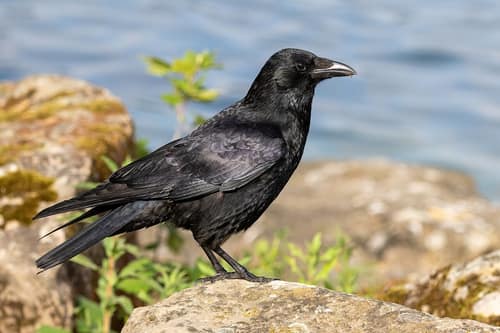
Close Relative Alexis Lours / CC BY 4.0 · cc-by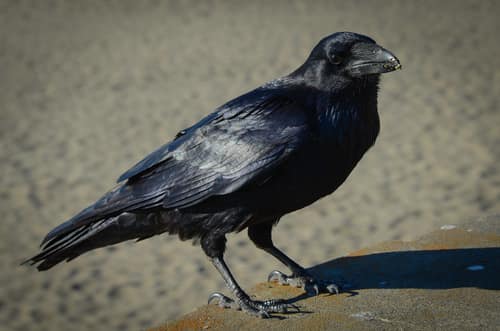
Close Relative "Common Raven (Corvus corax)" by Franco Folini is licensed under CC BY-SA 2.0. To view a copy of this license, visit https://creativecommons.org/licenses/by-sa/2.0/. · cc-by-sa
Help improve the field guideSomething wrong?
Checking your Fauna account…Report a name, category, or profile issue for review.