
Bird
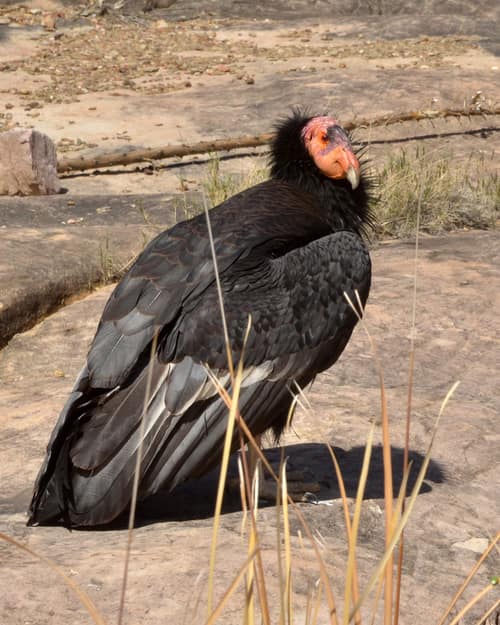
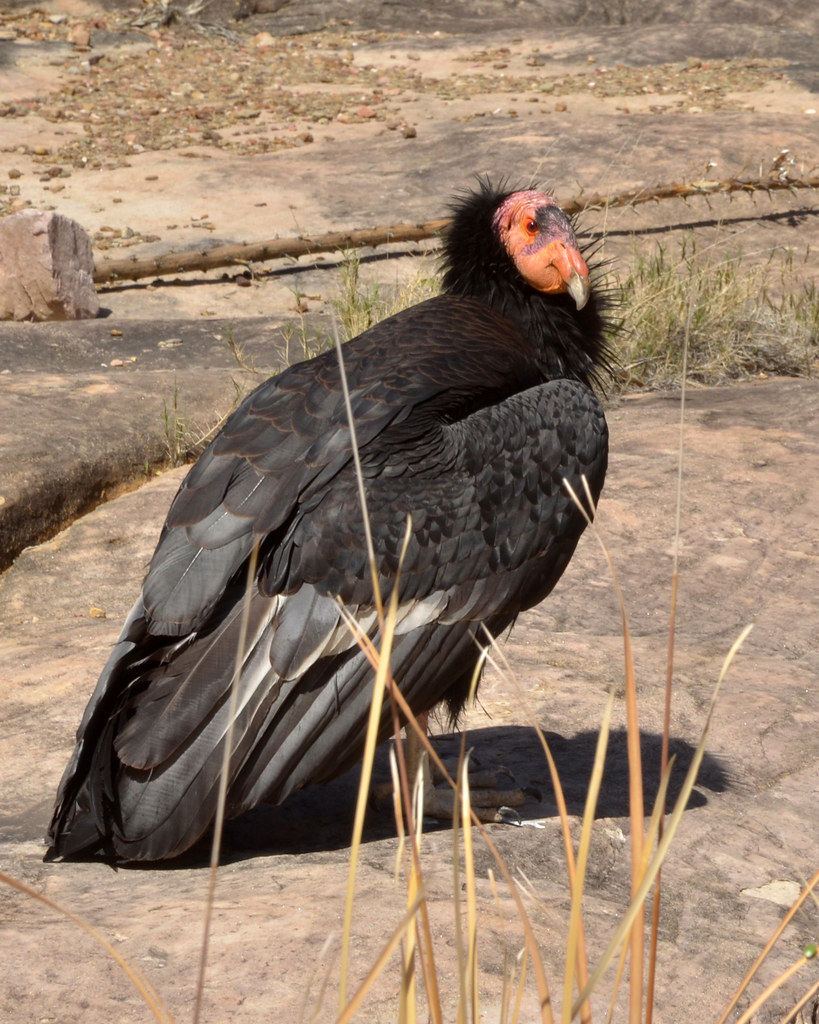
California Condor
Gymnogyps californianusAlso known as California Vulture
California condors ride rising thermal air currents to soar effortlessly for hours without flapping their broad wings. As dedicated scavengers, they play a crucial ecological role by feeding on the carcasses of large mammals across rugged mountain slopes and coastal canyons. Mating pairs form lifelong bonds and raise a single chick every two years, defending high cliff ledges where they nest.
SoaringEndangeredScavenger
—observations
—countries
—peak records
Critically EndangeredConservation statusIUCN Red List categoriesLCNTVUENCREWEXCritically EndangeredRed List categories, explained →
Diet & preyCarrion of large mammals
Predators
- Golden Eagle
- Coyote
ThreatsLead poisoning from ingested ammunition, power line collisions, microtrash ingestion
HabitatsMountain canyons, scrublands, oak woodlands, coastal cliffs
Life span50–60 years
Classification
- FamilyCathartidae
- SpeciesGymnogyps californianus
Native
Interaction riskLow
- Low
- Moderate
- High
- Very high
- Why interaction risk is low
- Safe to observe at a normal distance with optics.
- What to notice
- Look for an enormous dark silhouette with broad wings and triangular white underwing patches.
- Support conservation
- Maintain at least 400 meters distance from roosts or nests and never fly drones near condors.
Responsible observation
- Use Optics: Spot roosting or flying birds from a distance using binoculars or a spotting scope.
- Scan Silhouettes: Look for wide wings held in a flat plane with white triangular patches underneath.
- Report Wing Tags: Note the number and color on wing tags to help biologist tracking programs.
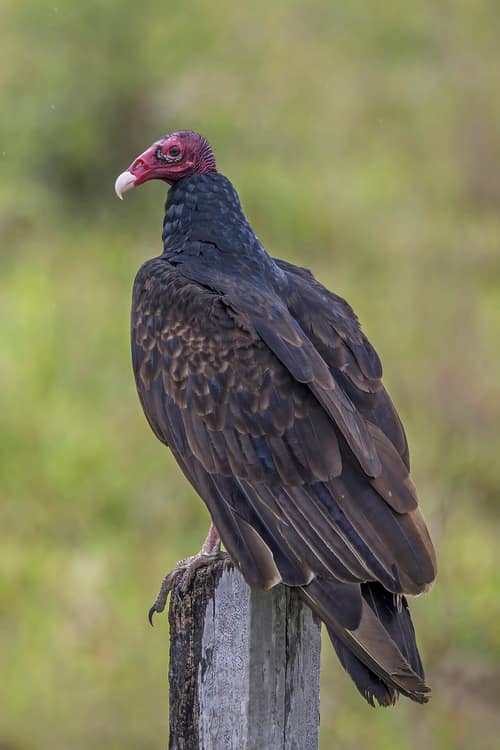
Co-Scavenger Charles J. Sharp / CC BY-SA 4.0 · cc-by-sa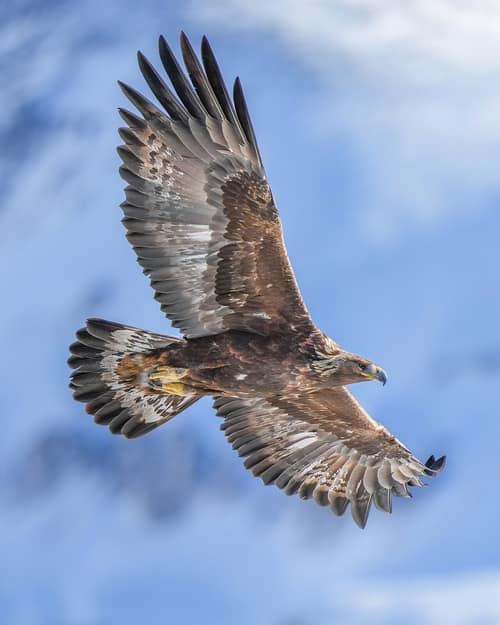
Competitor Giles Laurent / CC BY-SA 4.0 · cc-by-sa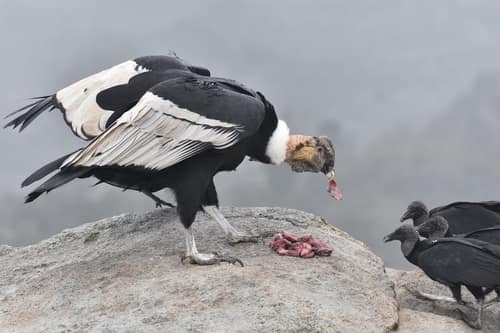
Close Relative (c) Sebastian Serna Muñoz, some rights reserved (CC BY), uploaded by Sebastian Serna Muñoz · cc-by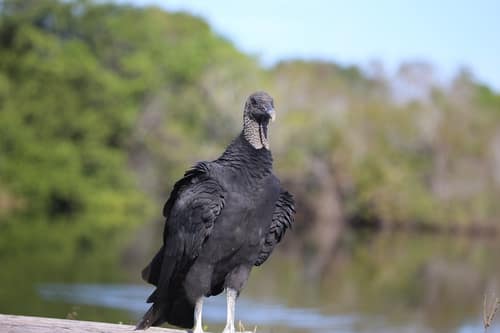
Family Member "BLACK VULTURE #2" by cuatrok77 is licensed under CC BY-SA 2.0. To view a copy of this license, visit https://creativecommons.org/licenses/by-sa/2.0/. · cc-by-sa
Help improve the field guideSomething wrong?
Checking your Fauna account…Report a name, category, or profile issue for review.