
Bird
Lesser Black-backed Gull
Larus fuscusAlso known as Baltic Gull, Graells's Gull
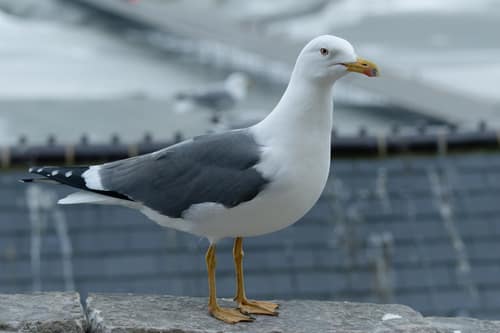
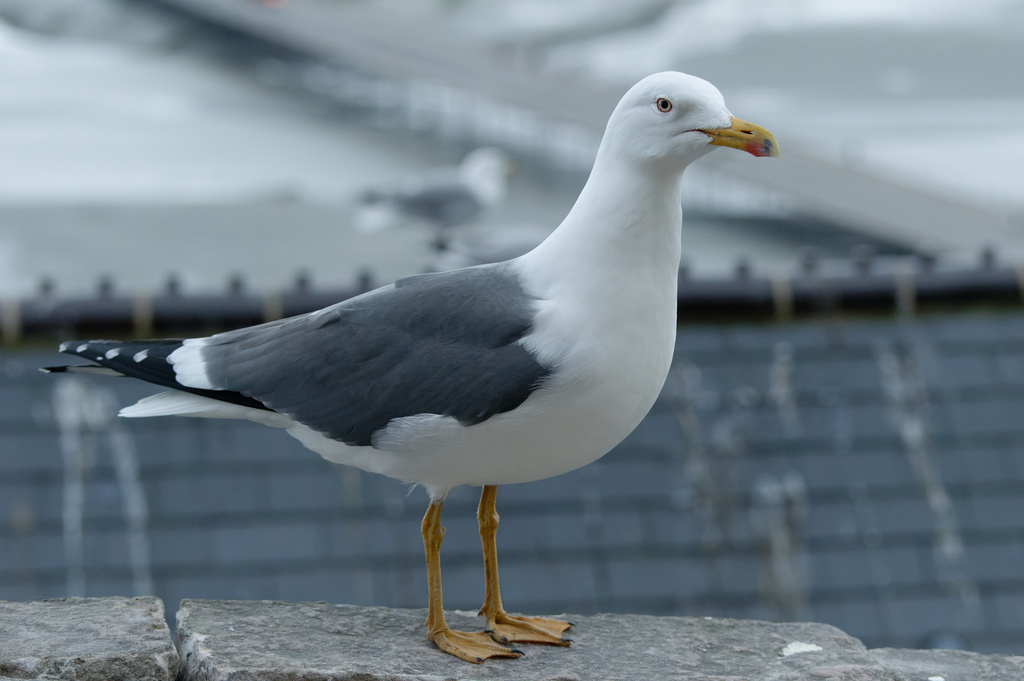
Lesser black-backed gulls are slender, highly migratory seabirds recognized by dark slate-grey mantles and bright yellow legs. Opportunistic feeders, they forage in coastal waters, inland lakes, agricultural fields, and landfills, frequently nesting in dense colonies on grassy islands or coastal cliffs. In winter, they travel from northern breeding grounds south toward Africa and along the Atlantic coast of North America.
SeabirdMigratoryOmnivorous
—observations
—countries
—peak records
Least ConcernConservation statusIUCN Red List categoriesLCNTVUENCREWEXLeast ConcernRed List categories, explained →
Diet & preyFish, Marine invertebrates, Earthworms
Predators
- Red fox
- Peregrine falcon
- White-tailed eagle
ThreatsColony disturbance, culling, plastic pollution, marine ecosystem changes
HabitatsCoastal cliffs, grassy islands, estuaries, lakes, agricultural fields, landfills
Life span15–25 years
Classification
- OrderCharadriiformes
- FamilyLaridae
- GenusLarus
- SpeciesLarus fuscus
Range data is not available yet.
Interaction riskLow
- Low
- Moderate
- High
- Very high
- Why interaction risk is low
- Breeding adults may dive-bomb intruders near nests; maintain a safe distance from colonies.
- What to notice
- Recognized by charcoal-grey backs, yellow legs, and red spots on yellow bills.
- Support conservation
- Observe colonies from designated viewpoints with optics and avoid walking through nesting turf.
Responsible observation
- Observe Nesting Sites: Keep clear of coastal and rooftop nesting colonies in spring to avoid nest abandonment.
- Identify Key Features: Look for bright yellow legs and charcoal mantles to distinguish from pink-legged species.
- Avoid Feeding: Refrain from offering human scraps to prevent habituation and aggressive foraging behaviors.
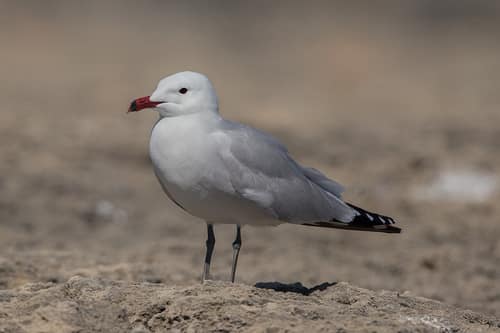
Regional Co-occupant Andreas Trepte / CC BY-SA 2.5 · cc-by-sa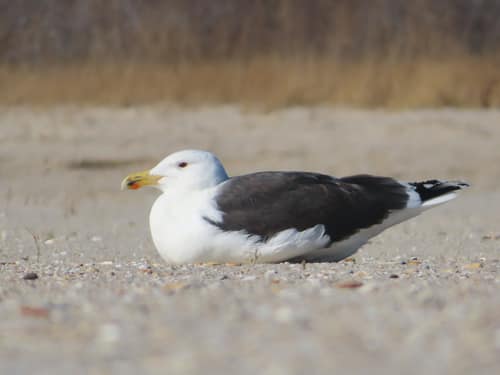
Close Relative (c) Mila C., some rights reserved (CC BY), uploaded by Mila C. · cc-by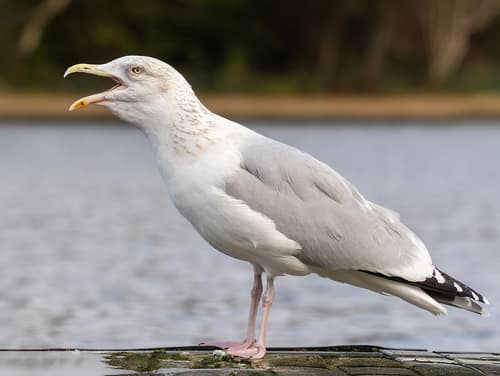
Close Relative Rhododendrites / CC BY-SA 4.0 · cc-by-sa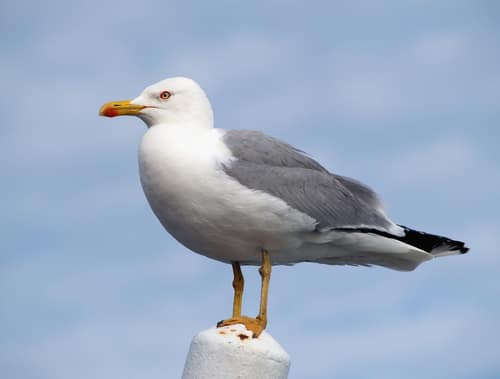
Close Relative (c) Jörg Hempel, some rights reserved (CC BY-SA), uploaded by Jörg Hempel · cc-by-sa
Keep collecting in Fauna
Found in Collections
Species set Pro
Shore Life
Lesser Black-backed Gull is found in this collection. Identify it in Fauna to fill this slot and continue your progress.
Unlock to track progress
Help improve the field guideSomething wrong?
Checking your Fauna account…Report a name, category, or profile issue for review.