
Bird
European Herring Gull
Larus argentatusAlso known as Herring Gull
European herring gulls are vocal coastal opportunists recognized by their pale grey backs, pink legs, and yellow bills with a distinctive red spot. They nest in noisy colonies on cliffs and urban rooftops, often pairing for life and sharing incubation duties with their mate. Highly adaptable scavengers, they combine traditional marine foraging with clever urban feeding strategies across Europe.
CoastalSeabirdScavenger
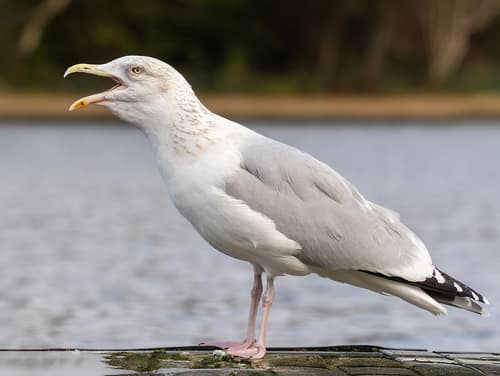
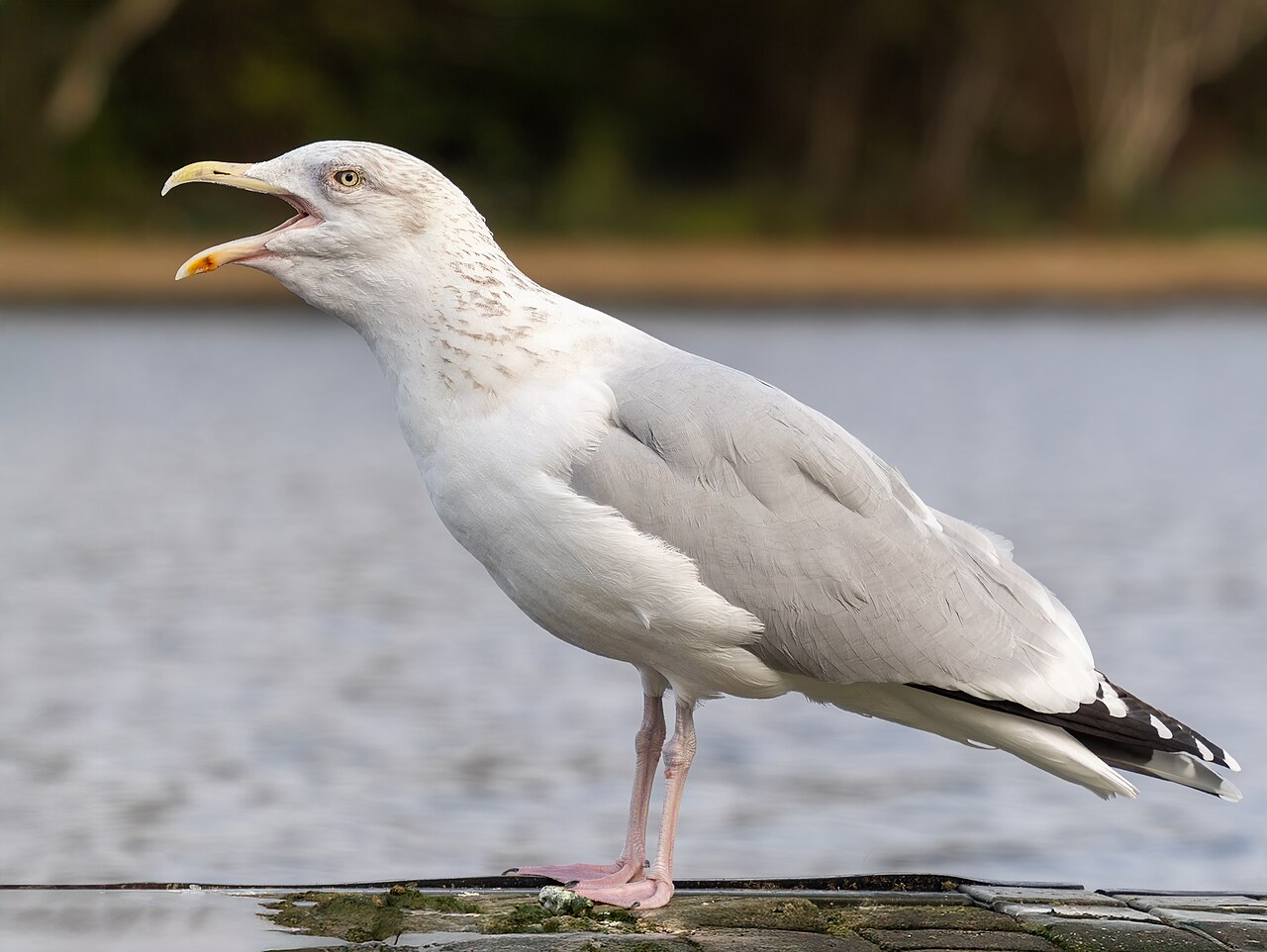
—observations
—countries
—peak records
Least ConcernConservation statusIUCN Red List categoriesLCNTVUENCREWEXLeast ConcernRed List categories, explained →
Diet & preyFish, Crabs, Mussels
Predators
- Red Fox
- Great Black-backed Gull
- White-tailed Eagle
ThreatsCulling, habitat disturbance, plastic pollution, avian influenza
HabitatsCoastal cliffs, beaches, estuaries, islands, urban rooftops
Life span15–20 years in the wild
Classification
- OrderCharadriiformes
- FamilyLaridae
- GenusLarus
- SpeciesLarus argentatus
Range data is not available yet.
Interaction riskLow
- Low
- Moderate
- High
- Very high
- Why interaction risk is low
- May dive bomb or peck to defend nests or steal food; keep a safe distance during breeding season.
Responsible observation
- Cover open food: Secure meals when outdoors to avoid attracting bold individuals intent on snatching scraps.
- Give nests space: Avoid approaching nesting rooftops or cliff edges between April and July.
- Observe from distance: Use binoculars to watch their complex postural displays and vocal long-calls.
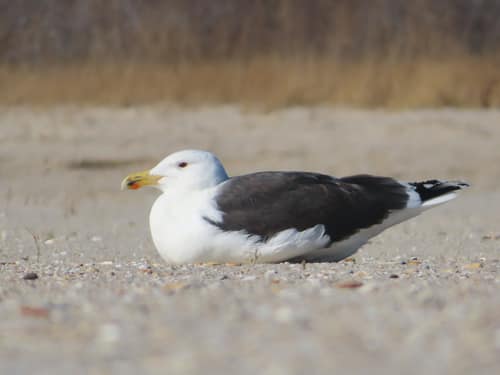
Predator (c) Mila C., some rights reserved (CC BY), uploaded by Mila C. · cc-by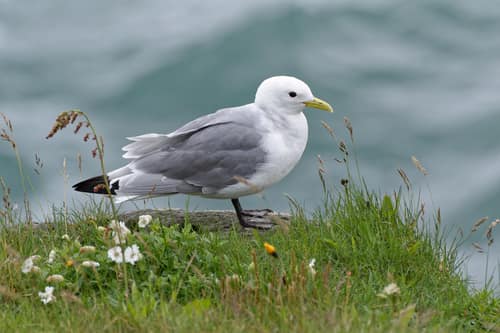
Frequent Companion (c) Donald Davesne, some rights reserved (CC BY), uploaded by Donald Davesne · cc-by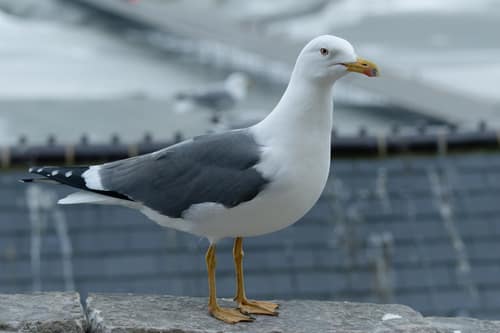
Close Relative (c) Donald Davesne, some rights reserved (CC BY), uploaded by Donald Davesne · cc-by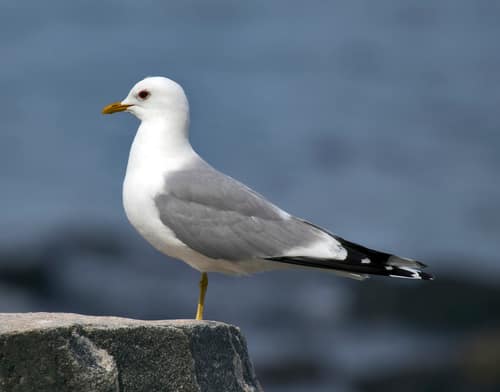
Close Relative (c) Andreas Trepte, some rights reserved (CC BY-SA) · cc-by-sa
Keep collecting in Fauna
Found in Collections
Species set Pro
Shore Life
European Herring Gull is found in this collection. Identify it in Fauna to fill this slot and continue your progress.
Unlock to track progress
Help improve the field guideSomething wrong?
Checking your Fauna account…Report a name, category, or profile issue for review.