
Bird
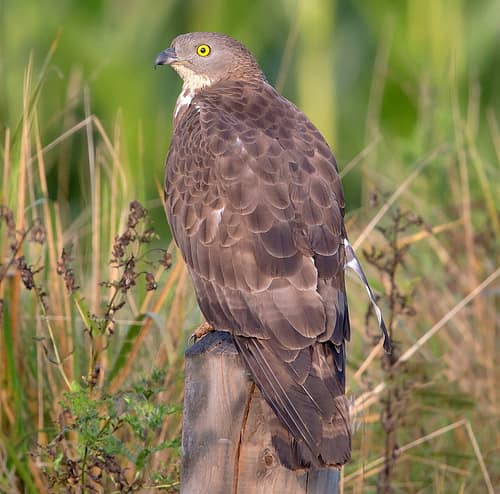
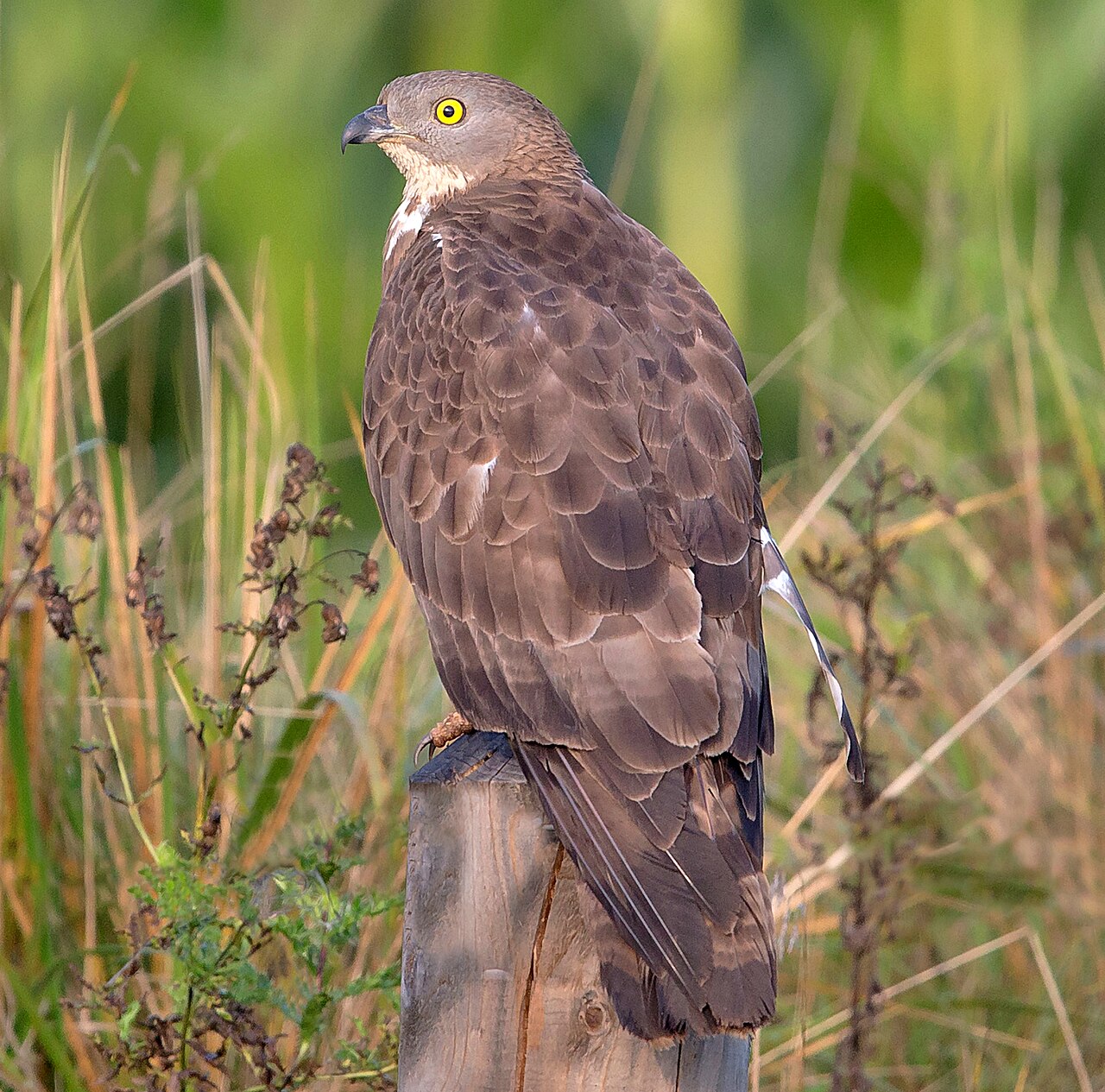
European Honey-buzzard
Pernis apivorusAlso known as Honey Buzzard, Western Honey-buzzard
European Honey-buzzards are specialized woodland raptors famous for excavating underground wasp and hornet nests using dense, scale-like head feathers that resist painful stings. They spend summer breeding seasons quietly concealed beneath forest canopies before undertaking long transcontinental flights across bottlenecks like Gibraltar and the Bosporus. In spring courtship displays, males perform distinctive wing-clapping swoops high above the trees to establish nesting territory.
RaptorMigratoryWoodland
—observations
—countries
—peak records
Least ConcernConservation statusIUCN Red List categoriesLCNTVUENCREWEXLeast ConcernRed List categories, explained →
Diet & preyEuropean hornet, Common wasp, Common frog
Predators
- Eurasian Eagle-owl
- Northern Goshawk
ThreatsIllegal shooting along Mediterranean migration flyways, forestry clearance, and pesticide use
HabitatsDeciduous and mixed mature woodlands near open glades, pastures, and river valleys
Life span15–29 years
Classification
- FamilyAccipitridae
- SpeciesPernis apivorus
Range data is not available yet.
Interaction riskLow
- Low
- Moderate
- High
- Very high
- Why interaction risk is low
- Safe to observe at a normal distance.
Responsible observation
- Migration Watch: Scan ridgelines and coastal bottlenecks on warm late-summer mornings to catch rising flocks.
- Silhouette Check: Look for a small, pigeon-like head and prominent tail bars to distinguish it from common buzzards.
- Nesting Caution: Avoid lingering near active forest nest sites in midsummer, as adults are easily disturbed.
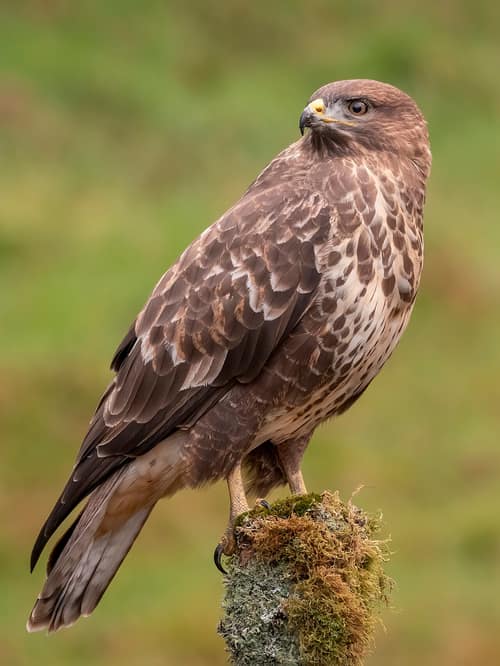
Look-alike caroline legg / CC BY 2.0 · cc-by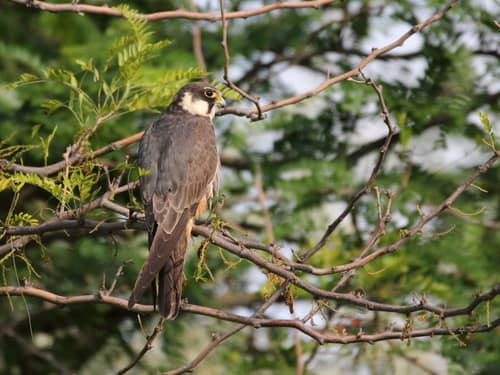
Neighbor (c) Ani Sarkisyan, some rights reserved (CC BY), uploaded by Ani Sarkisyan · cc-by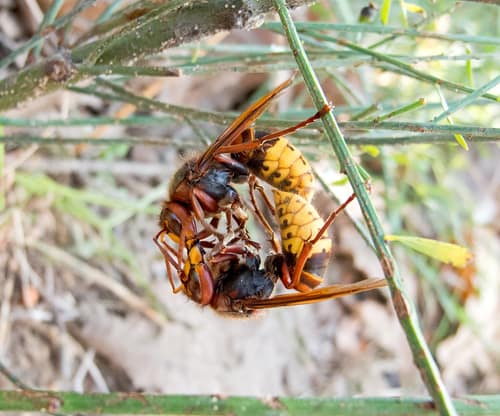
Prey (c) katunchik, some rights reserved (CC BY), uploaded by katunchik · cc-by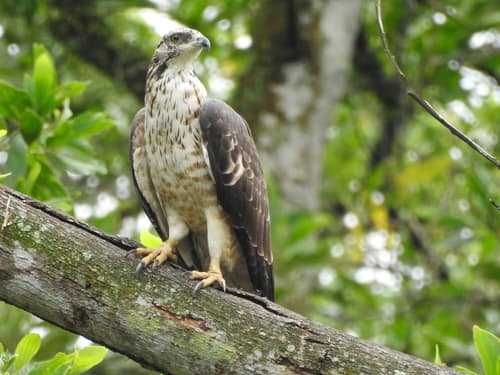
Close Relative (c) anukma, some rights reserved (CC BY), uploaded by anukma · cc-by
Help improve the field guideSomething wrong?
Checking your Fauna account…Report a name, category, or profile issue for review.