
Bird
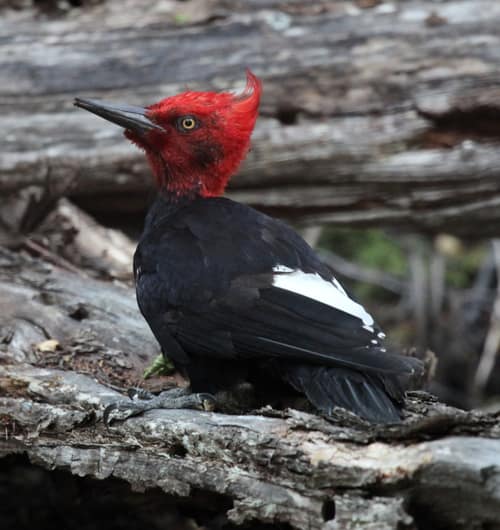
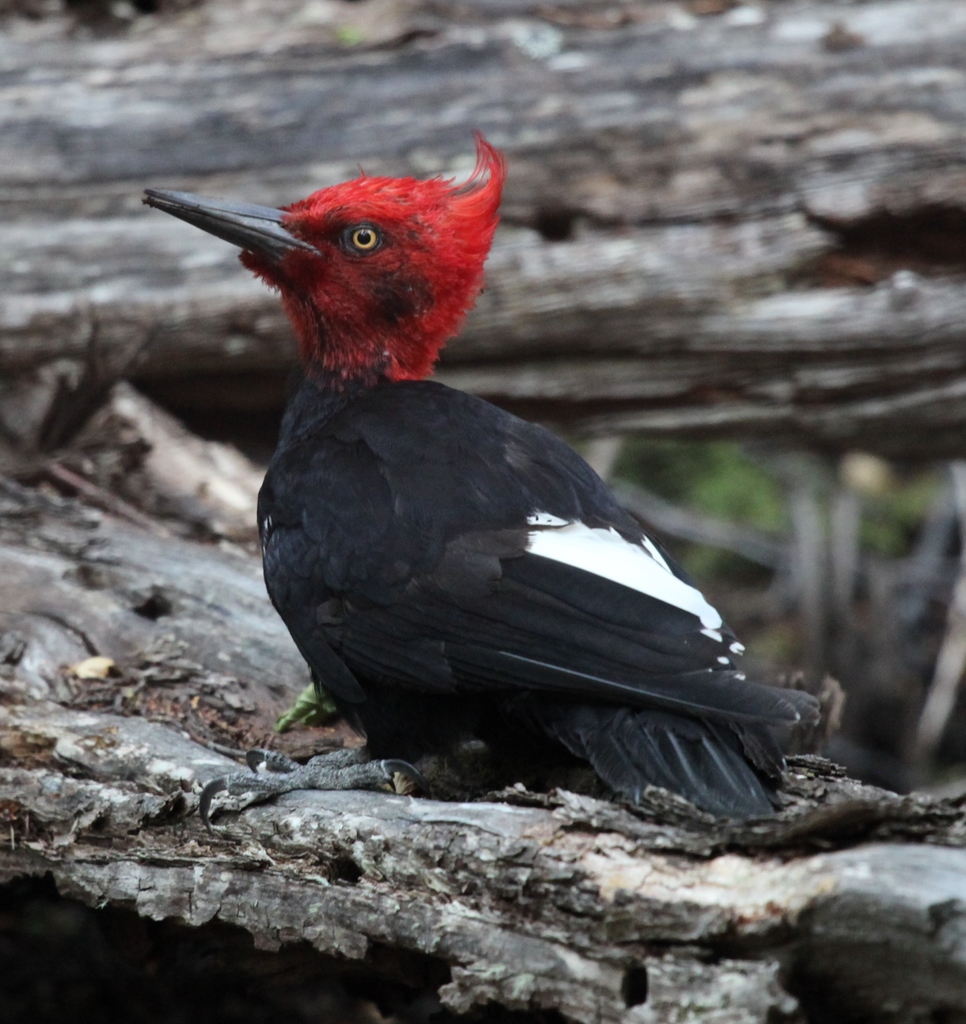
Magellanic Woodpecker
Campephilus magellanicusAlso known as Magellan Woodpecker
Magellanic woodpeckers are majestic, vocal residents of South America's southernmost temperate woodlands, frequently foraging in lifelong monogamous pairs or small family groups. They communicate across dense Nothofagus canopies using a signature double-knock drum that carries for hundreds of meters. By excavating massive cavities in dying trees, these keystone engineers provide crucial nesting shelters for dozens of other Patagonian forest creatures.
Forest BirdOld-Growth SpecialistNocturnal Roost
—observations
—countries
—peak records
Least ConcernConservation statusIUCN Red List categoriesLCNTVUENCREWEXLeast ConcernRed List categories, explained →
Diet & preyCerambycid beetle larvae, Wood-boring grubs, Spiders
Predators
- Black-chested Buzzard-Eagle
- Austral Pygmy-Owl
- American Mink
ThreatsHabitat loss from logging, forest fragmentation, and invasive predators
HabitatsTemperate rainforests and mature southern beech (Nothofagus) forests
Life span10–15 years
Classification
- OrderPiciformes
- FamilyPicidae
- GenusCampephilus
- SpeciesCampephilus magellanicus
Range data is not available yet.
Interaction riskLow
- Low
- Moderate
- High
- Very high
- Why interaction risk is low
- Safe to observe at a normal distance.
Responsible observation
- Listen for Drums: Track their presence by listening for a resonant, acoustic double-tap echoing through the canopy.
- Look for Shaved Trunks: Inspect mature trees for large patches of stripped bark and deep wood chiselings.
- Maintain Space: Keep at least 15 meters away to observe their natural foraging without causing stress.
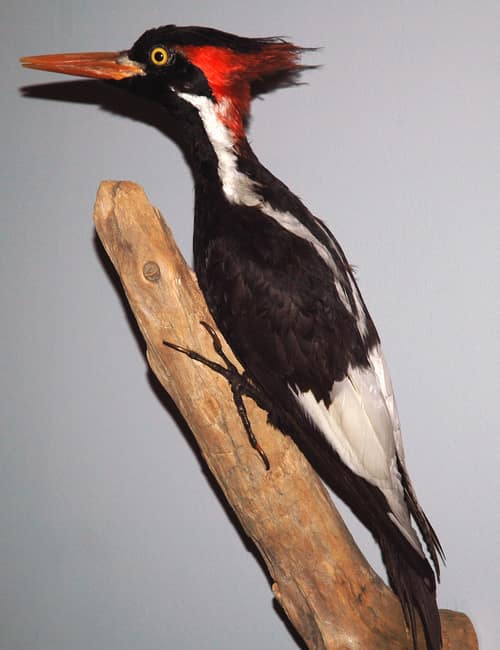
Same Genus "Campephilus principalis (ivory-billed woodpecker) 1" by James St. John is licensed under CC BY 2.0. To view a copy of this license, visit https://creativecommons.org/licenses/by/2.0/. · cc-by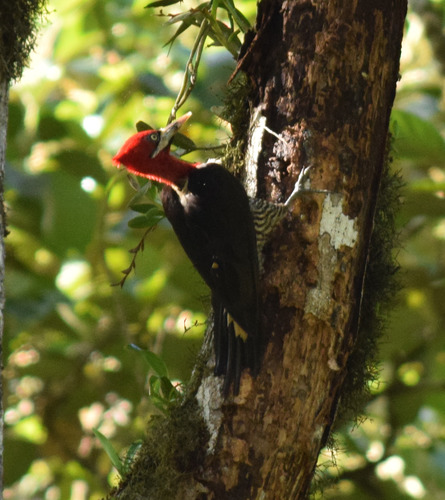
Same Genus (c) Cajá-manga, some rights reserved (CC BY) · cc-by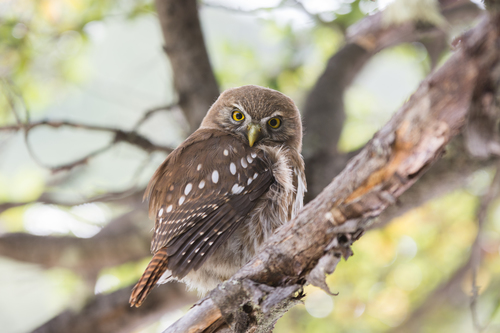
Competitor (c) Eduardo Schmeda, some rights reserved (CC BY) · cc-by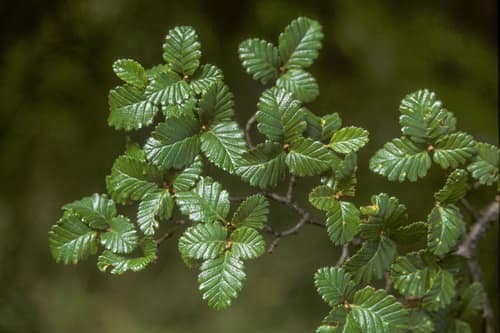
Host Tree (c) Kristof Zyskowski, some rights reserved (CC BY), uploaded by Kristof Zyskowski · cc-by
Keep collecting in Fauna
Found in Collections
Ecosystem chain Pro
Secret Garden
Magellanic Woodpecker is found in this collection. Identify it in Fauna to fill this slot and continue your progress.
Unlock to track progress
Help improve the field guideSomething wrong?
Checking your Fauna account…Report a name, category, or profile issue for review.