
Bird
Oriental Pied Hornbill
Anthracoceros albirostrisAlso known as Sunda Pied Hornbill, Malaysian Pied Hornbill, Northern Pied Hornbill
Oriental pied hornbills are highly adaptable canopy birds easily identified by their striking black-and-white plumage and ivory-yellow bills crowned with a prominent casque. During breeding, females wall themselves inside hollow tree cavities using mud and feces, relying entirely on their mates to deliver food through a narrow slit until the chicks fledge. Their loud, nasal cackles echo through tropical lowlands and coastal habitats, where they act as essential seed dispersers for fruiting trees.
Canopy DwellerFruit EaterVocal
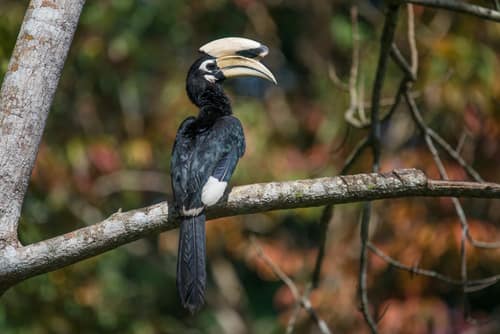
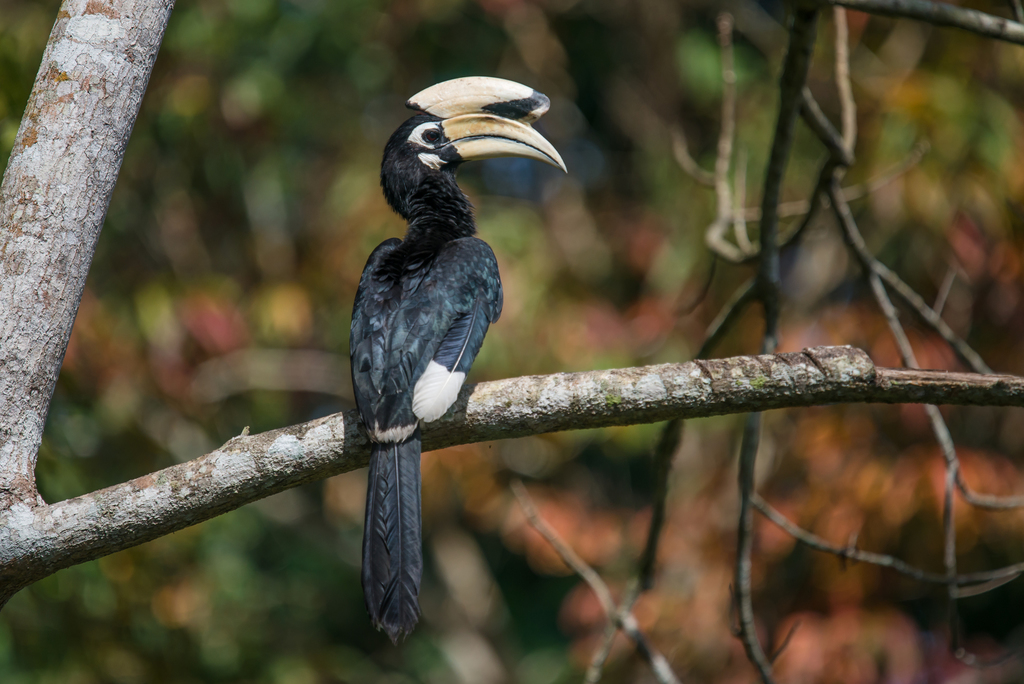
—observations
—countries
—peak records
Least ConcernConservation statusIUCN Red List categoriesLCNTVUENCREWEXLeast ConcernRed List categories, explained →
Diet & preyFigs, Insects, Small Lizards
Predators
- Reticulated Python
- Large Birds of Prey
- Tree Snakes
ThreatsDeforestation, loss of large nesting trees, illegal pet trade
HabitatsLowland tropical forests, mangroves, coastal scrub, urban parks
Life spanUp to 35 years
Classification
- FamilyBucerotidae
- SpeciesAnthracoceros albirostris
Range data is not available yet.
Interaction riskLow
- Low
- Moderate
- High
- Very high
- Why interaction risk is low
- Safe to observe at a normal distance.
Responsible observation
- Listen for Calls: Locate feeding pairs by listening for high-pitched, laugh-like cackling high in the canopy.
- Scan Fig Trees: Look near fruiting wild fig trees during early morning and late afternoon hours.
- Respect Nest Trees: Keep a generous distance from active nesting cavities so foraging males can approach safely.
 Image unavailable
Close Relative 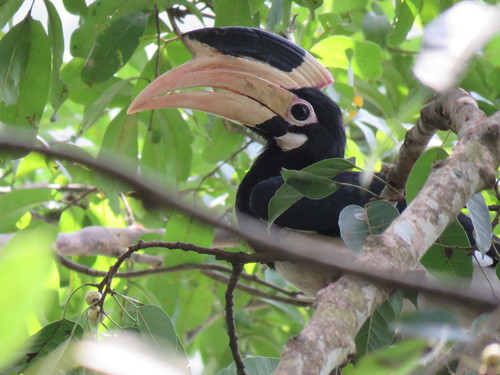
Close Relative (c) Meghaa, some rights reserved (CC BY) · cc-by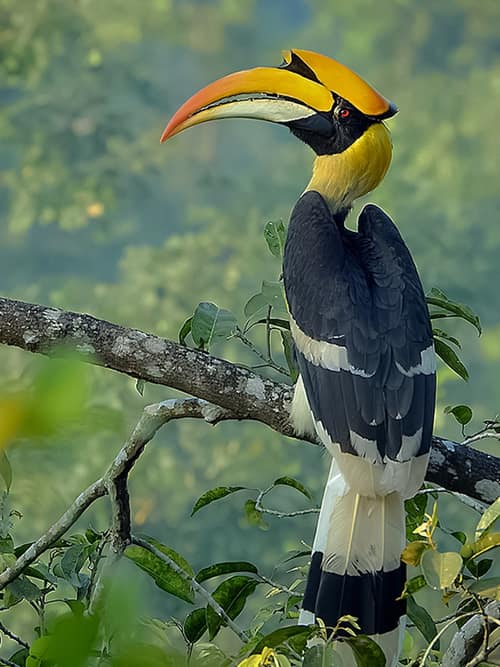
Family Relative Shantanu Kuveskar / CC BY-SA 4.0 · cc-by-sa
Help improve the field guideSomething wrong?
Checking your Fauna account…Report a name, category, or profile issue for review.