
Reptile
Ball Python
Python regiusAlso known as Royal Python
Ball pythons spend daylight hours coiled safely inside subterranean mammal burrows or hollow termite mounds, emerging at dusk to stalk prey using heat-sensing labial pits. When threatened, they roll into a tight ball protecting their head at the center, earning them their common name and making them uniquely timid among African snakes. Females demonstrate dedicated maternal care by coiling around their clutches for months to regulate warmth and humidity until hatching.
NocturnalDocileReptile
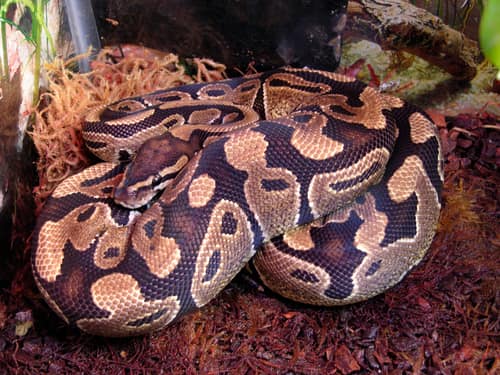
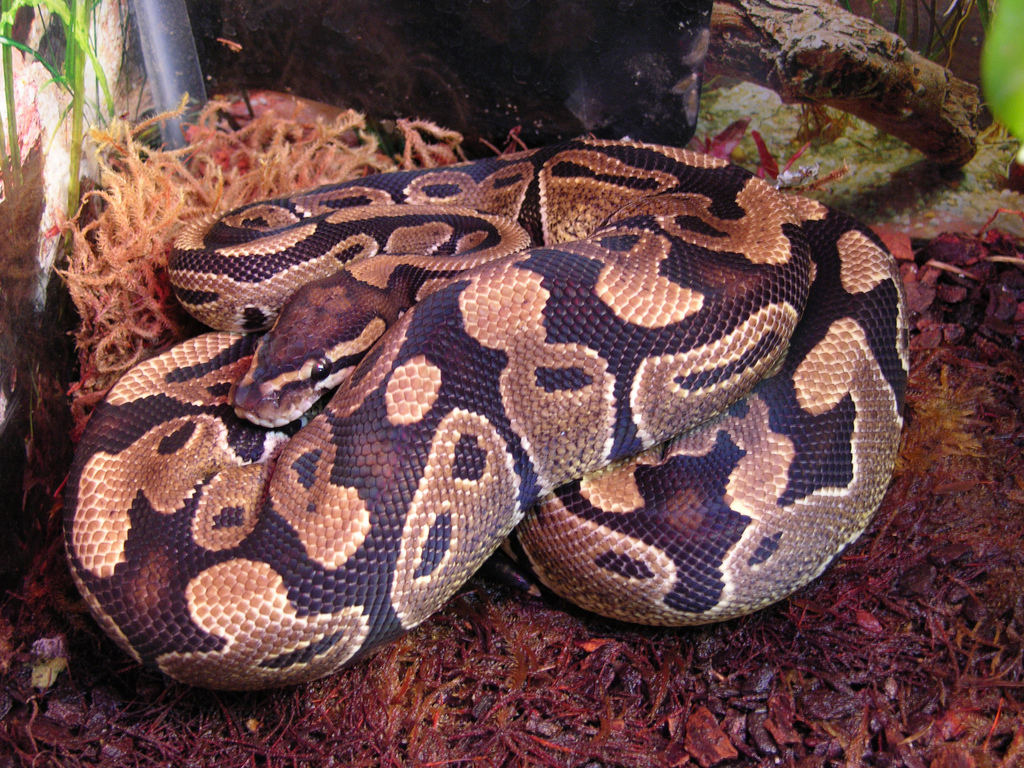
—observations
—countries
—peak records
Near ThreatenedConservation statusIUCN Red List categoriesLCNTVUENCREWEXNear ThreatenedRed List categories, explained →
Diet & preyRats, Mice, Ground-nesting birds
Predators
- Birds of prey
- Monitor lizards
- Larger snakes
ThreatsOvercollection for pet trade, bushmeat hunting, habitat loss
HabitatsSavannas, grasslands, open woodlands, agricultural fields
Life span20–30 years (up to 40 years in human care)
Classification
- FamilyPythonidae
- GenusPython
- SpeciesPython regius
Native
Interaction riskLow
- Low
- Moderate
- High
- Very high
- Why interaction risk is low
- Non-venomous and docile, but may bite if startled, restrained, or mistaking hands for food.
- Why it is dangerous
- Backward-curving teeth can inflict painful puncture wounds and skin tears if the snake strikes defensively.
- How to recognize a risky encounter
- Recognizable by a stocky build, dark brown body with yellowish blotches, and heat-sensing pits along the upper lip.
- What to do
- Give wild individuals space and do not attempt to pry open a snake that has curled into a ball.
- What to notice
- Look for a heavy-bodied terrestrial python with dark brown skin and pale, rounded lateral markings.
- Support conservation
- Observe wild pythons without moving them from their natural burrows or disturbing nesting females.
Responsible observation
- Approach Gently: Move smoothly and support the snake from underneath so it feels secure.
- Observe at Dusk: Look for active wild individuals during warm evenings around farm edges.
- Avoid Direct Retreats: Never reach blindly into burrows or termite mounds where they shelter.
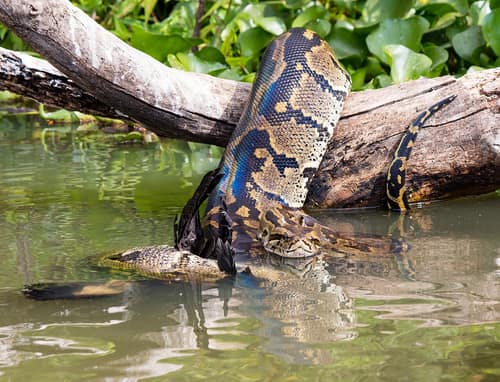
Larger Relative Ray in Manila / CC BY 2.0 · cc-by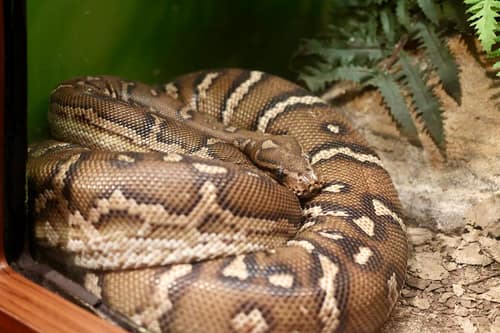
Close Relative "Angolan Python" by Just chaos is licensed under CC BY 2.0. To view a copy of this license, visit https://creativecommons.org/licenses/by/2.0/. · cc-by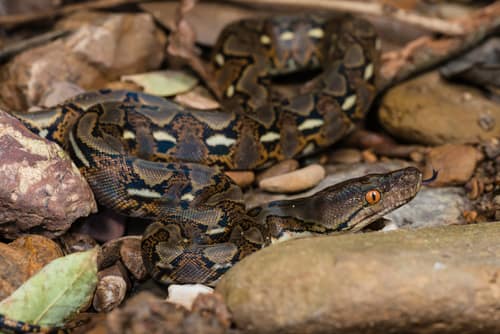
Distant Relative (c) Rushen, some rights reserved (CC BY-SA) · cc-by-sa
Keep collecting in Fauna
Found in Collections
Species set Pro
Emerald Kingdom
Ball Python is found in this collection. Identify it in Fauna to fill this slot and continue your progress.
Unlock to track progress
Help improve the field guideSomething wrong?
Checking your Fauna account…Report a name, category, or profile issue for review.