
Reptile
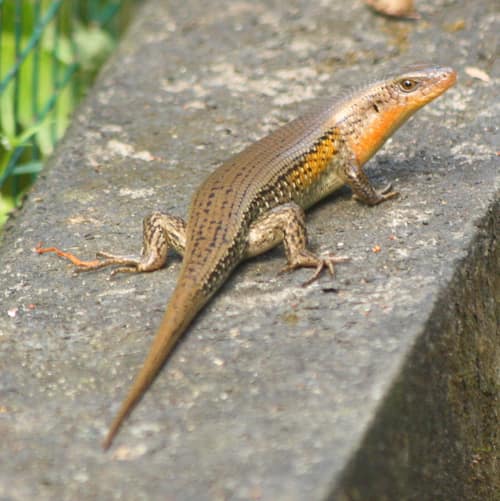
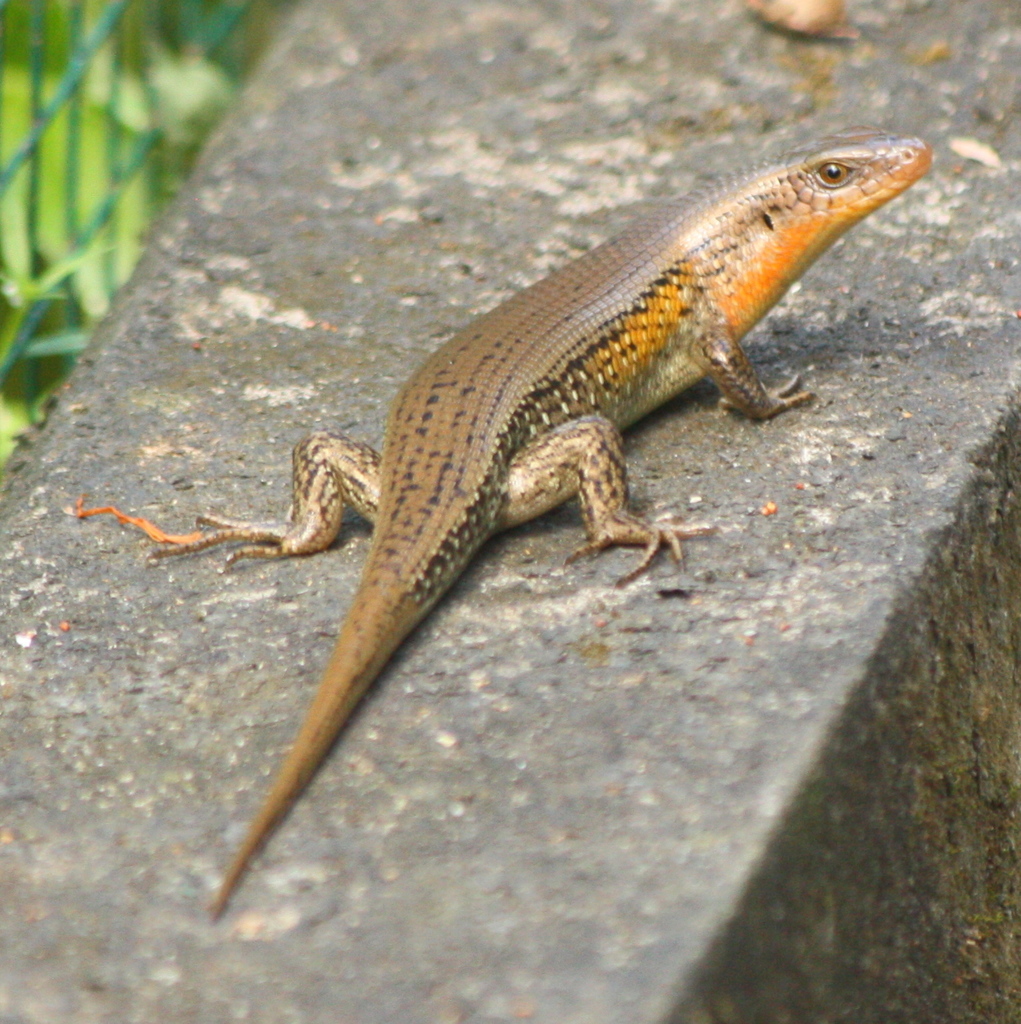
Common Sun Skink
Eutropis multifasciataAlso known as East Indian Brown Mabuya, Many-Lined Sun Skink, Many-Striped Skink, Golden Skink
These active, sun-loving lizards are frequently seen scuttling through leaf litter or basking on warm rocks across Southeast Asian forests and gardens. Males display striking orange or yellow patches along their flanks during the breeding season to attract mates and deter rivals. Highly adaptable insectivores, they help control pest populations in both wild habitats and agricultural landscapes.
DiurnalSun-LovingInsectivore
—observations
—countries
—peak records
Least ConcernConservation statusIUCN Red List categoriesLCNTVUENCREWEXLeast ConcernRed List categories, explained →
Diet & preyCrickets, Spiders, Beetles
Predators
- Snakes
- Birds of Prey
- Domestic Cats
ThreatsHabitat conversion, invasive predators, and local trade
HabitatsTropical forests, agricultural land, plantations, and suburban gardens
Life span5–8 years
Classification
- FamilyScincidae
- GenusEutropis
- SpeciesEutropis multifasciata
Range data is not available yet.
Interaction riskLow
- Low
- Moderate
- High
- Very high
- Why interaction risk is low
- Safe to observe at a normal distance.
Responsible observation
- Basking Spots: Look for them on sunny logs, rocks, and forest clearings during mid-morning hours.
- Quiet Approach: Move slowly to avoid scaring them into dense leaf litter where they quickly hide.
- Observation Etiquette: Avoid cornering them, as they can drop their tails when feeling threatened.
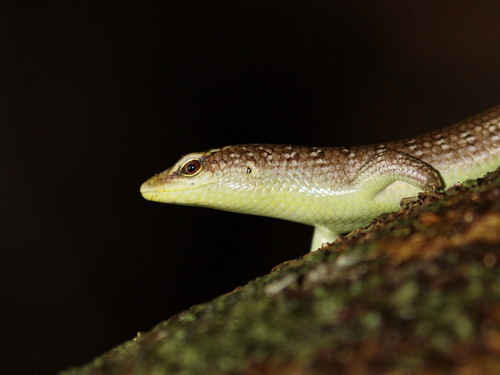
Ecological Neighbor (c) Ian Dugdale, some rights reserved (CC BY), uploaded by Ian Dugdale · cc-by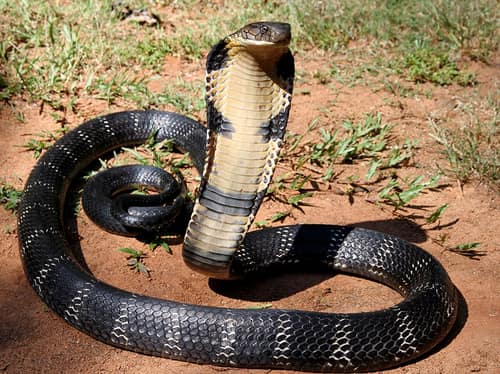
Predator Michael Allen Smith from Seattle, USA / CC BY-SA 2.0 · cc-by-sa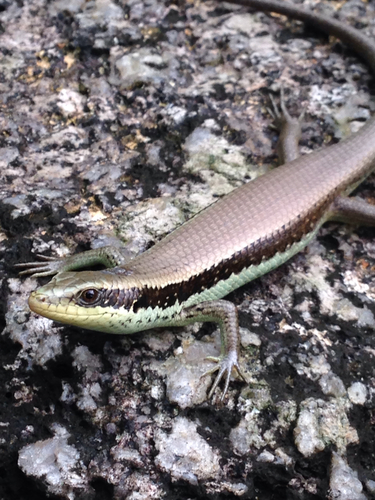
Genus Relative (c) Roderic Page, some rights reserved (CC BY), uploaded by Roderic Page · cc-by
Help improve the field guideSomething wrong?
Checking your Fauna account…Report a name, category, or profile issue for review.