
Reptile
Flap-necked Chameleon
Chamaeleo dilepisAlso known as Flapneck Chameleon
Flap-necked chameleons navigate the shrubs and low trees of sub-Saharan savannas with methodical, rocking steps designed to mimic wind-blown foliage. When agitated or performing territorial displays, individuals puff up their bodies, hiss loudly, and flare the mobile, skin-covered occipital flaps situated behind the head. Females lay large clutches of 20 to 50 eggs in underground burrows, which take the better part of a year to incubate.
ArborealCamouflageInsectivorous
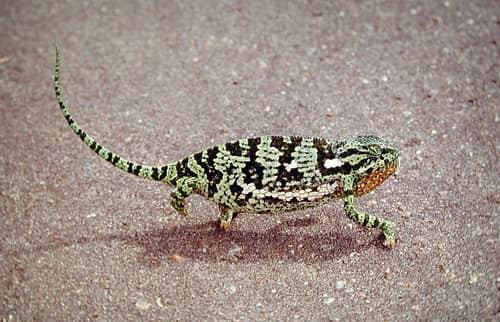
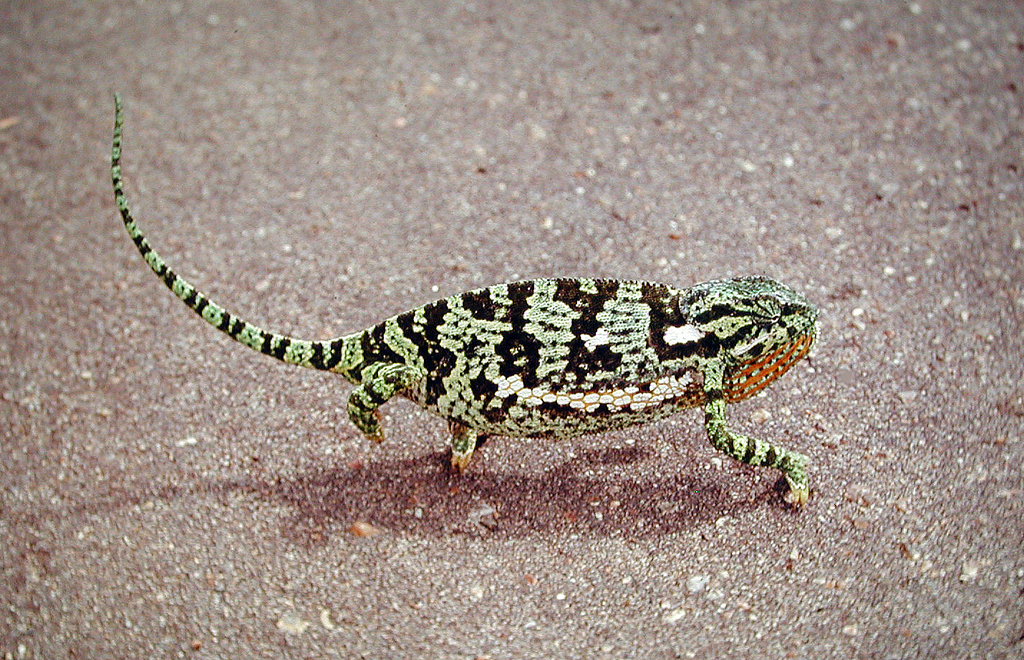
—observations
—countries
—peak records
Least ConcernConservation statusIUCN Red List categoriesLCNTVUENCREWEXLeast ConcernRed List categories, explained →
Diet & preyGrasshoppers, Beetles, Crickets
Predators
- Boomslang
- Southern African Python
- Fiscal Shrike
ThreatsHabitat clearance, vehicle strikes during road crossings, and localized collection for the pet trade
HabitatsSavannas, woodlands, grasslands, coastal thickets, and rural gardens
Life span5–8 years
Classification
- FamilyChamaeleonidae
- GenusChamaeleo
- SpeciesChamaeleo dilepis
Native
Interaction riskLow
- Low
- Moderate
- High
- Very high
- Why interaction risk is low
- Safe to observe at a normal distance.
Responsible observation
- Observation Distance: Maintain a couple of paces of space to avoid causing the chameleon to freeze or hiss.
- Roadside Encounters: Check rural roads carefully on warm mornings where individuals often cross open ground.
- Handling Etiquette: Do not grasp or restrain wild individuals, which causes extreme distress.
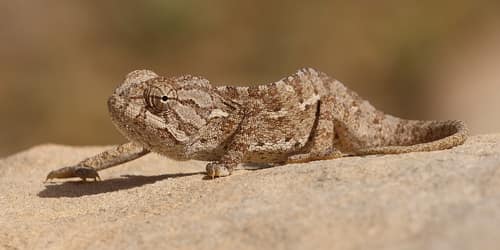
Same Genus Charles J. Sharp / CC BY-SA 4.0 · cc-by-sa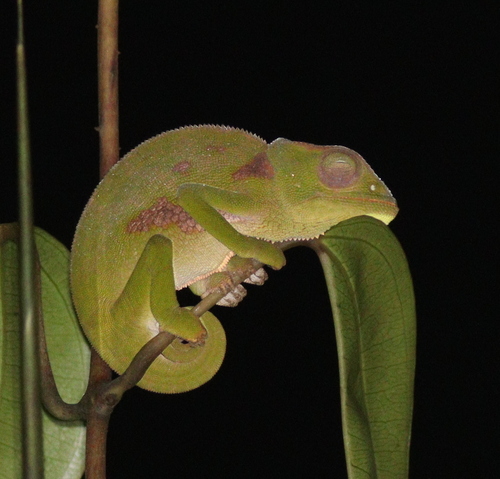
Same Genus (c) Jan Ebr & Ivana Ebrová, some rights reserved (CC BY) · cc-by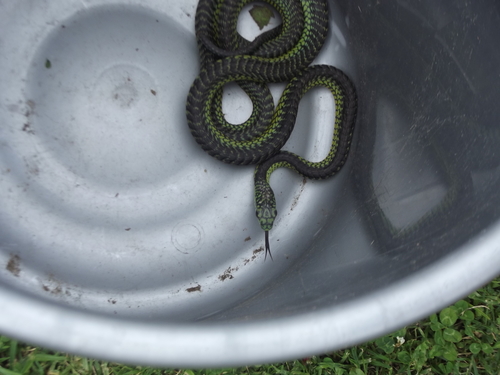
Predator no rights reserved · cc0
Keep collecting in Fauna
Found in Collections
Species set Pro
Emerald Kingdom
Flap-necked Chameleon is found in this collection. Identify it in Fauna to fill this slot and continue your progress.
Unlock to track progress
Help improve the field guideSomething wrong?
Checking your Fauna account…Report a name, category, or profile issue for review.