
Reptile
Olive Ridley
Lepidochelys olivaceaAlso known as Pacific Ridley Sea Turtle
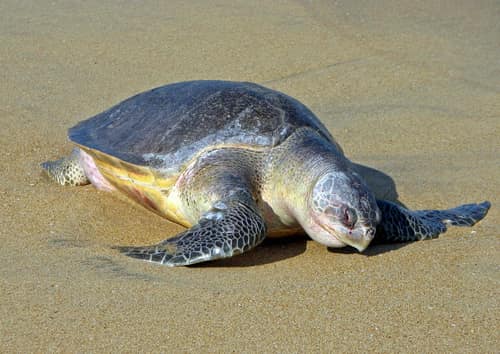
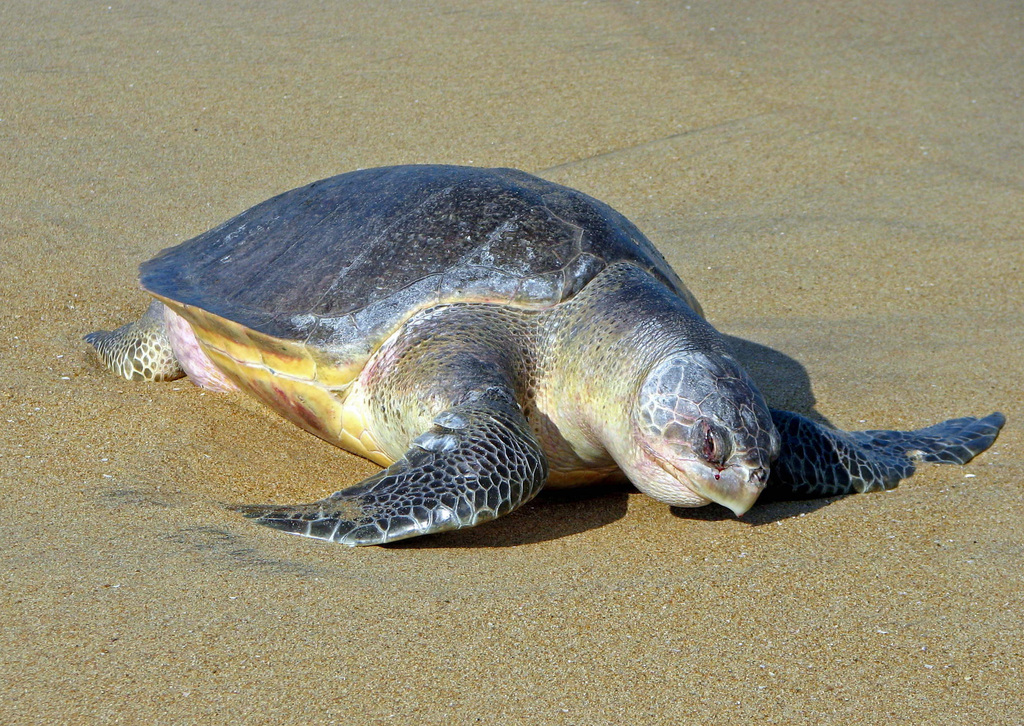
Olive ridley sea turtles are best known for their spectacular synchronized mass nestings, called arribadas, where tens of thousands of females storm the same beach over a few nights. These small, ocean-dwelling turtles sport a heart-shaped, olive-green carapace that helps them blend into deep tropical waters. They spend most of their lives in the open ocean, migrating thousands of miles between feeding grounds and nesting sites.
MarineMigratoryReptile
—observations
—countries
—peak records
VulnerableConservation statusIUCN Red List categoriesLCNTVUENCREWEXVulnerableRed List categories, explained →
Diet & preyCrabs, Jellyfish, Shrimp
Predators
- Sharks
- Killer whales
- Feral dogs
ThreatsBycatch in commercial fisheries, marine debris, egg poaching, and coastal development
HabitatsWarm tropical and subtropical coastal waters, open ocean
Life spanUp to 50 years
Classification
- FamilyCheloniidae
- SpeciesLepidochelys olivacea
Range data is not available yet.
Interaction riskLow
- Low
- Moderate
- High
- Very high
- Why interaction risk is low
- Capable of delivering a painful bite if cornered or handled; observe quietly from a safe distance.
- What to notice
- Recognized by its relatively small size, heart-shaped olive-green shell, and six or more pairs of pleural scutes.
- Support conservation
- Keep beaches dark during nesting season, avoid approaching nesting females, and report any stranded turtles to local authorities.
Responsible observation
- Keep your distance: Stay at least 15 meters away from nesting females on beaches to avoid disrupting them.
- Avoid artificial lights: Turn off flashlights and camera flashes on nesting beaches, as light disorients hatchlings.
- Never touch: Do not handle nesting adults or hatchlings making their way to the ocean.
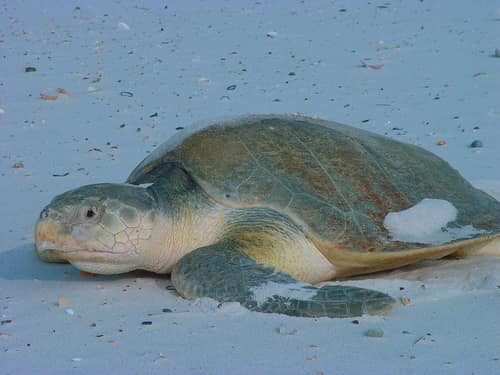
Close Relative U.S. Fish and Wildlife Service Southeast Region / CC BY 2.0 · cc-by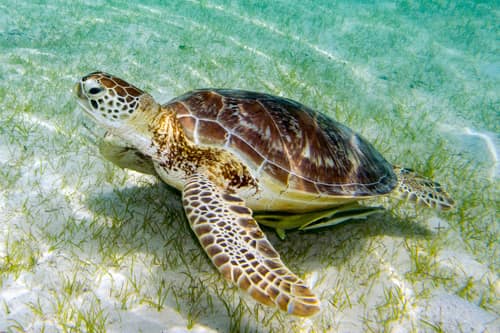
Family Member (c) Paul Asman and Jill Lenoble, some rights reserved (CC BY), uploaded by Paul Asman and Jill Lenoble · cc-by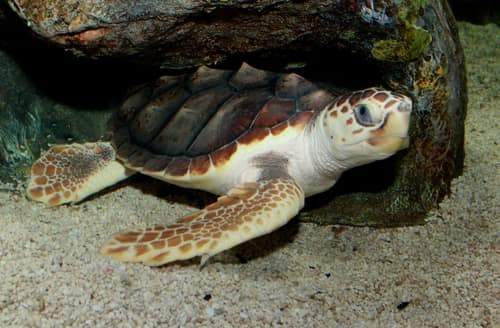
Family Member "Loggerhead Sea Turtle (Caretta caretta)" by brian.gratwicke is licensed under CC BY 2.0. To view a copy of this license, visit https://creativecommons.org/licenses/by/2.0/. · cc-by
Help improve the field guideSomething wrong?
Checking your Fauna account…Report a name, category, or profile issue for review.