
Reptile
Philippine Crocodile
Crocodylus mindorensisAlso known as Mindoro Crocodile, Philippine Freshwater Crocodile, Bukarot, Buwaya
Philippine crocodiles are relatively small, freshwater crocodilians distinguished by their broad snouts and heavy, golden-brown dorsal armor. They inhabit fast-flowing mountain rivers, creeks, and marshy ponds, where they play a vital role in maintaining aquatic ecosystem health by preying on invasive fish and diseased prey. Unlike their larger saltwater cousins, they are generally shy and prefer to avoid human contact, though they will fiercely defend their nests.
FreshwaterEndemic
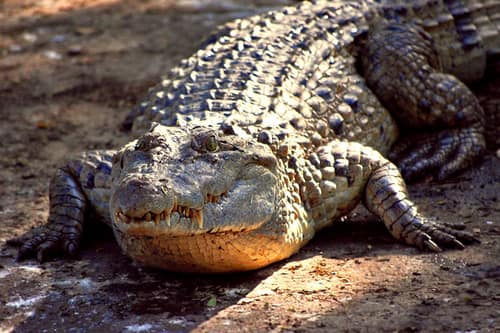
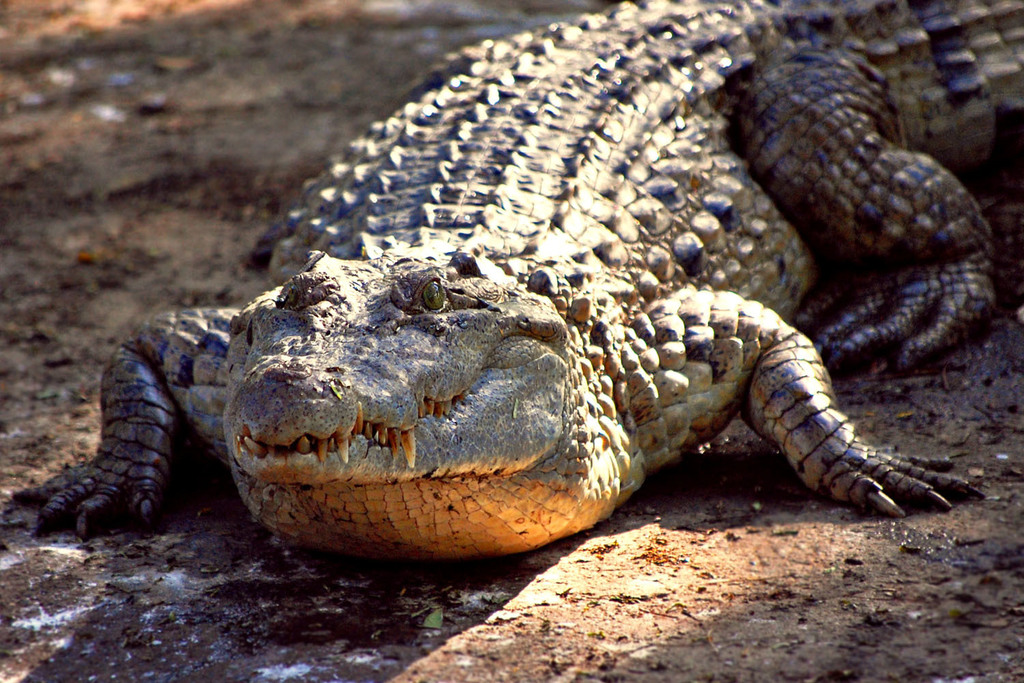
—observations
—countries
—peak records
Critically EndangeredConservation statusIUCN Red List categoriesLCNTVUENCREWEXCritically EndangeredRed List categories, explained →
Diet & preyFreshwater fish, Frogs, Snails
Predators
- Humans
- Large birds of prey
- Monitor lizards
ThreatsHabitat destruction, dynamite fishing, accidental entanglement in fishing nets, and human persecution
HabitatsFreshwater wetlands, marshes, slow-moving rivers, creeks, and mountain streams
Life span70 to 80 years
Classification
- FamilyCrocodylidae
- SpeciesCrocodylus mindorensis
Native
Interaction riskHigh
- Low
- Moderate
- High
- Very high
- Why interaction risk is high
- Capable of delivering a powerful bite if cornered or defending a nest; maintain a safe distance.
- Why it is dangerous
- Possesses extremely strong jaws and sharp teeth capable of inflicting severe crush injuries or lacerations if provoked.
- How to recognize a risky encounter
- Look for a relatively small crocodile, rarely exceeding three meters, with a broad snout and prominent heavy scales on its back.
- What to do
- Never attempt to capture, corner, or feed wild crocodiles; back away slowly if one is encountered.
- What to notice
- Recognizable by its golden-brown to dark brown coloration and distinct heavy dorsal scutes.
- Support conservation
- Observe strictly from designated viewing platforms or with licensed local guides to avoid disturbing nesting behaviors.
Responsible observation
- Keep your distance: Never approach a crocodile on land or in the water, especially near nesting sites.
- Support local conservation: Visit community-led sanctuaries that protect nesting habitats and promote coexistence.
- Report sightings: Share observations with local conservation groups like the Mabuwaya Foundation to aid population monitoring.
 Image unavailable
Competitor and Predator 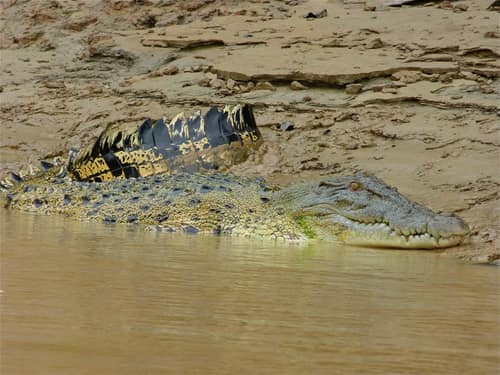
Sympatric Relative (c) Bernard DUPONT, some rights reserved (CC BY-SA) · cc-by-saClose Relative 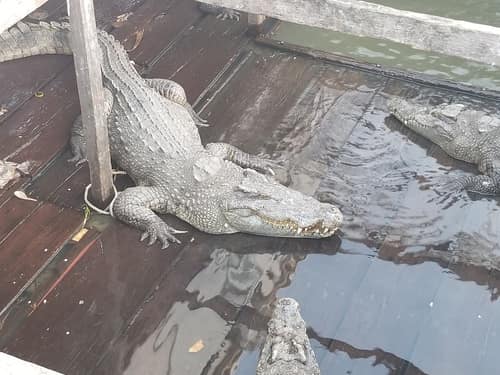
Close Relative no rights reserved, uploaded by Steven Smethurst · cc0
Help improve the field guideSomething wrong?
Checking your Fauna account…Report a name, category, or profile issue for review.