
Mammal
Common Hippopotamus
Hippopotamus amphibiusAlso known as Nile Hippopotamus, River Hippopotamus, Hippo
Common hippopotamuses spend their days submerged in African rivers and lakes to keep their skin cool, secreting a reddish fluid that acts as a natural sunscreen and antimicrobial agent. At night, these massive herbivores emerge to graze on inland grasses, traveling several kilometers along well-worn pathways. Through their selective feeding and significant nutrient deposition via dung, they act as vital ecological engineers shaping freshwater ecosystems across sub-Saharan Africa.
SemiaquaticMegaherbivoreTerritorial
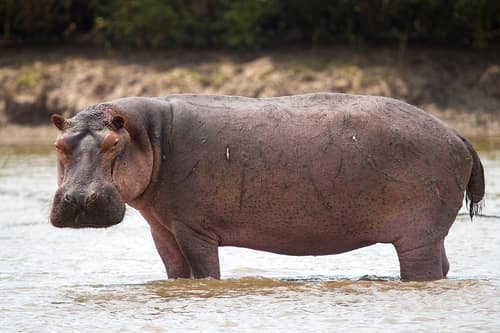
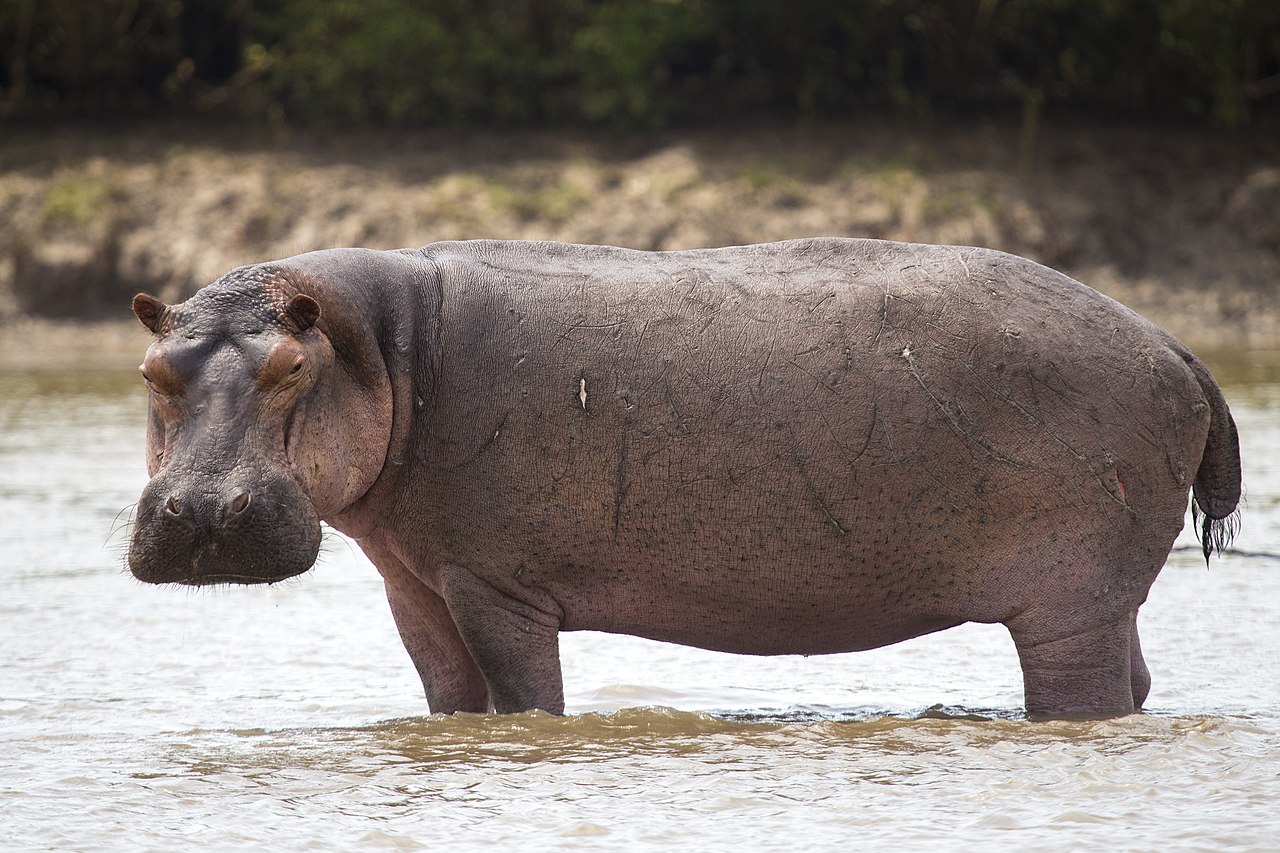
—observations
—countries
—peak records
VulnerableConservation statusIUCN Red List categoriesLCNTVUENCREWEXVulnerableRed List categories, explained →
Diet & preyGrasses, Reeds, Aquatic Plants
Predators
- Lion
- Nile Crocodile
- Spotted Hyena
ThreatsHabitat loss, water diversion, poaching for meat and ivory
HabitatsRivers, lakes, swamps, and adjacent grasslands
Life span40–50 years
Classification
- OrderArtiodactyla
- FamilyHippopotamidae
- GenusHippopotamus
- SpeciesHippopotamus amphibius
Native
Interaction riskHigh
- Low
- Moderate
- High
- Very high
- Why interaction risk is high
- Highly aggressive and unpredictable; maintain a safe distance of at least 100 meters on land or water.
- Why it is dangerous
- Possesses massive canine tusks and immense jaw strength capable of snapping small boats or causing fatal crushing injuries.
- How to recognize a risky encounter
- Recognized by its massive gray barrel-shaped body, wide snout, small ears, and habit of resting submerged with only eyes and nostrils exposed.
- What to do
- Never position yourself between a hippo and open water, and retreat immediately if an individual displays aggressive head-bobbing.
- What to notice
- Look for large social pods resting together in freshwater rivers or lakes within protected African reserves.
- Support conservation
- Choose responsible safari operators that maintain respectful distances to avoid disturbing breeding pods.
Responsible observation
- Safe Distance: Keep a buffer of at least 100 meters, especially when navigating rivers in small boats.
- Avoid Paths: Stay clear of obvious, worn hippo trails leading from water to grazing grounds at night.
- Observe Signals: Back away immediately if an individual gapes its mouth wide or snorts aggressively.
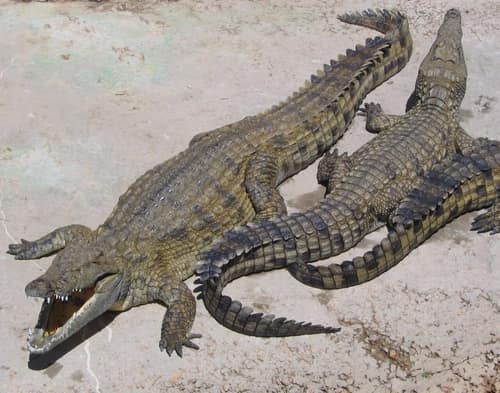
Co-Inhabitant Dewet / CC BY-SA 2.0 · cc-by-sa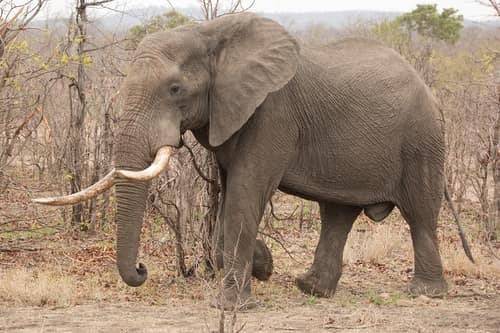
Co-Inhabitant (c) dhfischer, some rights reserved (CC BY), uploaded by dhfischer · cc-by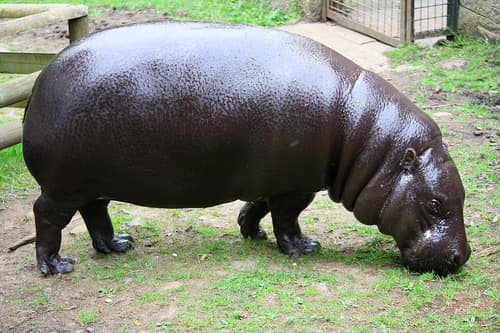
Close Relative Bardrock / CC BY-SA 3.0 · cc-by-sa
Keep collecting in Fauna
Found in Collections
Species set Pro
Safari Ranger
Common Hippopotamus is found in this collection. Identify it in Fauna to fill this slot and continue your progress.
Unlock to track progress
Help improve the field guideSomething wrong?
Checking your Fauna account…Report a name, category, or profile issue for review.