
Mammal
Mule Deer
Odocoileus hemionusAlso known as Black-Tailed Deer, Coast Deer
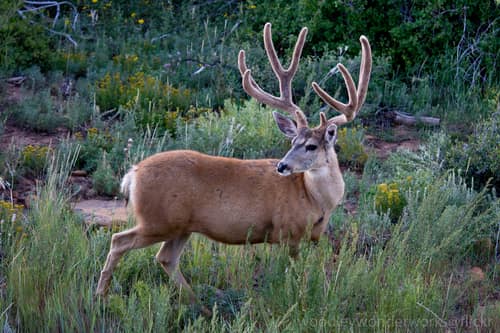
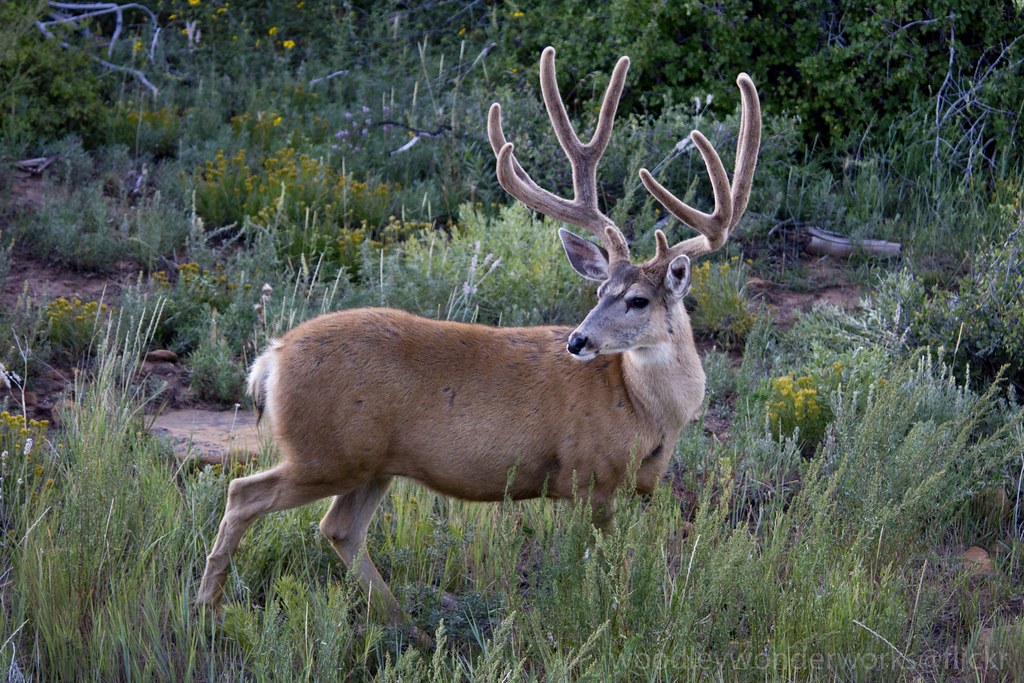
Mule deer navigate western North American landscapes ranging from desert scrub to alpine meadows, bounding with a distinctive four-legged jumping gait known as stotting. Bucks grow bifurcated antlers that fork as they mature, shedding them each winter after competing for mates during the autumn rut. Maternal does hide newborn fawns in dense vegetation for their first weeks, returning periodically to nurse while drawing predators away.
HerbivoreMigratoryNative Mammal
—observations
—countries
—peak records
Least ConcernConservation statusIUCN Red List categoriesLCNTVUENCREWEXLeast ConcernRed List categories, explained →
Diet & preyShrubs and Browse, Forbs and Grasses, Acorns and Mast
Predators
- Cougar
- Gray Wolf
- Coyote
ThreatsHabitat fragmentation, chronic wasting disease, vehicle collisions, and poaching
HabitatsDeserts, chaparral, montane forests, grasslands, and sagebrush steppe
Life span9–12 years in the wild
Classification
- OrderArtiodactyla
- FamilyCervidae
- GenusOdocoileus
- SpeciesOdocoileus hemionus
Native Introduced
Native range in olive; established introduced range in rust.
Interaction riskHigh
- Low
- Moderate
- High
- Very high
- Why interaction risk is high
- Large ungulates can kick or charge if cornered or during rut; observe from a safe distance.
- Why it is dangerous
- Bucks during the autumn breeding season and mothers guarding newborn fawns can charge or strike with heavy hooves and sharp antlers when threatened.
- How to recognize a risky encounter
- Recognizable by unusually large ears, a black-tipped tail, a white rump patch, and bifurcated antler forks on males.
- What to do
- Keep a safe distance, keep dogs on a leash, and never approach or pick up a fawn lying hidden in tall grass.
Responsible observation
- Give Space: Maintain a distance of at least 30 meters, especially around rutting bucks or mothers with fawns.
- Drive Cautiously: Scan road shoulders at dawn and dusk when deer travel and cross highways.
- Avoid Feeding: Refrain from offering food to prevent habituation and the spread of chronic wasting disease.
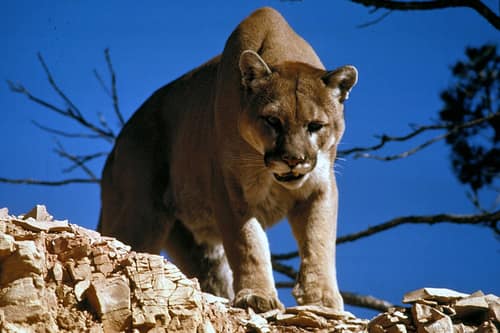
Primary Predator National Park Service / Public domain · cc0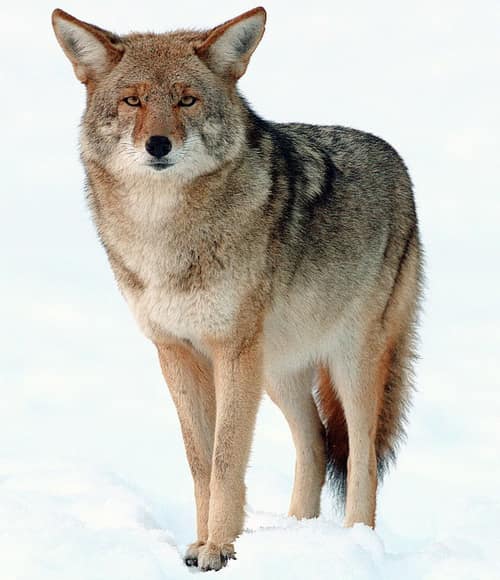
Predator Yathin S Krishnappa / CC BY-SA 3.0 · cc-by-sa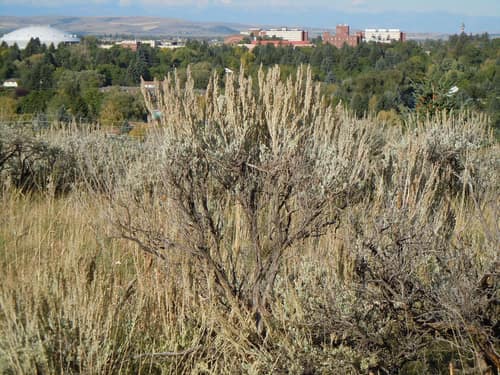
Key Food Plant (c) Matt Lavin, some rights reserved (CC BY) · cc-by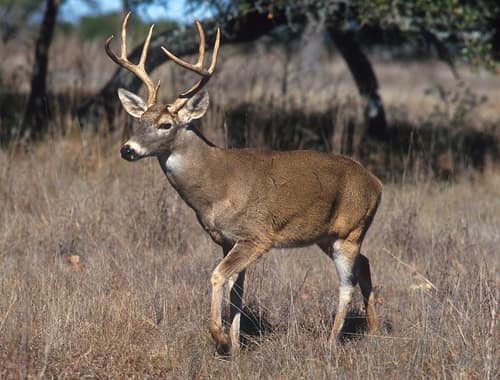
Close Relative USDA photo by Scott Bauer / Public domain · cc0
Keep collecting in Fauna
Found in Collections
Ecosystem chain
The Forest Floor
Mule Deer is found in this collection. Identify it in Fauna to fill this slot and continue your progress.
—/12
Help improve the field guideSomething wrong?
Checking your Fauna account…Report a name, category, or profile issue for review.