
Mammal
Chital
Axis axisAlso known as Axis Deer, Spotted Deer
Chital travel in fluid, sociable herds that graze openly on sunlit grasslands and forest clearings across the Indian subcontinent. They share a remarkable mutualistic partnership with northern plains gray langurs, listening intently to the monkeys' arboreal alarm barks and feeding on foliage dropped from the canopy above. Their vivid white spots persist throughout adulthood, breaking up their silhouette against dappled woodland shadows to confound stalking predators.
HerbivoreSocialSpotted
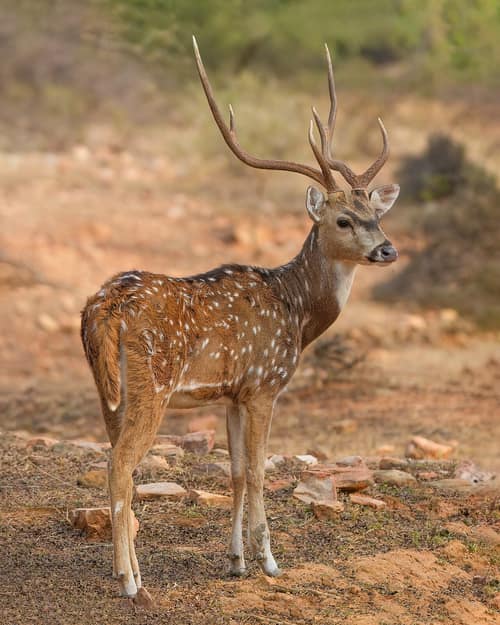
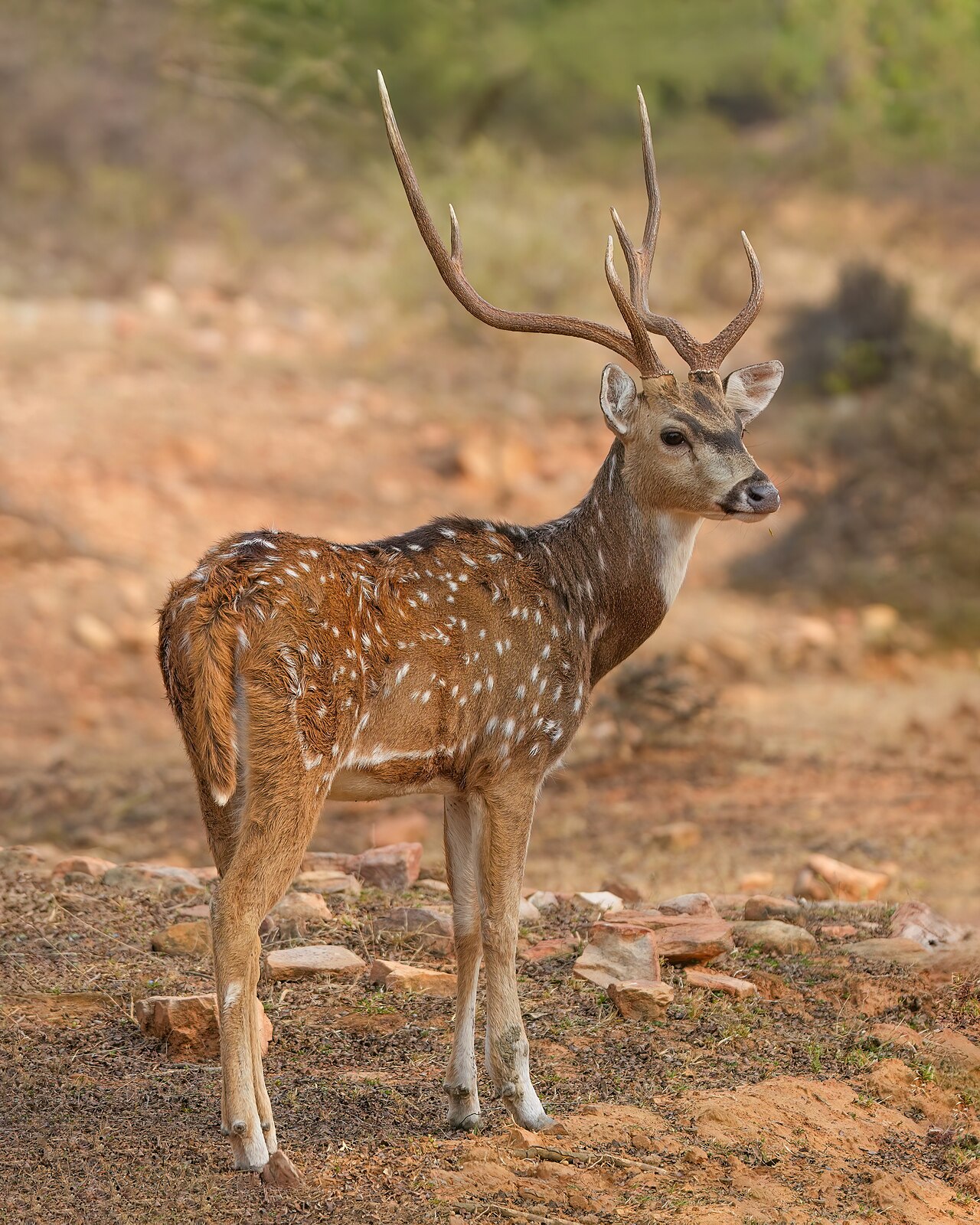
—observations
—countries
—peak records
Least ConcernConservation statusIUCN Red List categoriesLCNTVUENCREWEXLeast ConcernRed List categories, explained →
Diet & preyGrasses, Fallen Fruits, Tree Leaves
Predators
- Bengal Tiger
- Indian Leopard
- Dhole
ThreatsHabitat fragmentation, poaching, and competition with domestic livestock
HabitatsDeciduous forests, open grasslands, riverine woodlands, and thorn scrub
Life span9–13 years in the wild
Classification
- FamilyCervidae
- SpeciesAxis axis
Native Introduced
Native range in olive; established introduced range in rust.
Interaction riskHigh
- Low
- Moderate
- High
- Very high
- Why interaction risk is high
- Safe to observe at a normal distance; give rutting stags ample space.
Responsible observation
- Distance: Maintain a buffer of at least 30 meters to avoid triggering a herd-wide stampede.
- Langur Calls: Listen for sudden langur chatter in the trees, which signals approaching deer or predators.
- Rutting Etiquette: Give antlered stags extra space during mating seasons when aggression levels rise.
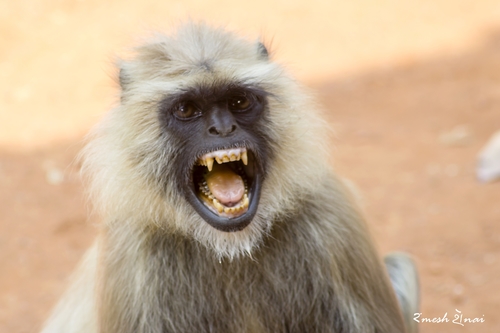
Foraging Partner (c) Ramesh Shenai, some rights reserved (CC BY), uploaded by Ramesh Shenai · cc-by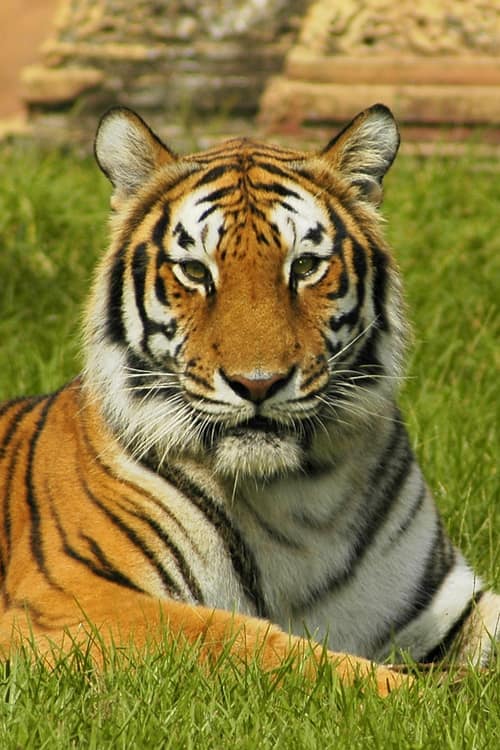
Predator "Bengal Tiger" by ucumari photography is licensed under CC BY-SA 2.0. To view a copy of this license, visit https://creativecommons.org/licenses/by-sa/2.0/. · cc-by-sa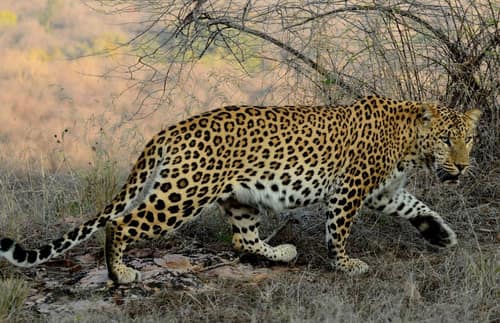
Predator (c) Raja bandi, some rights reserved (CC BY), uploaded by Raja bandi · cc-by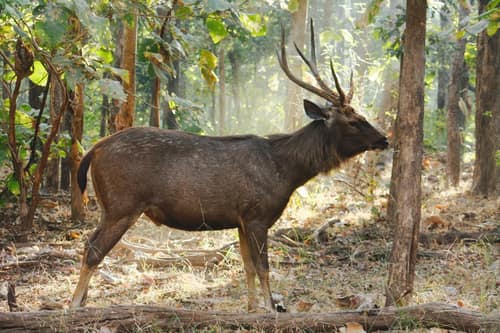
Neighbor (c) Rashityagi, some rights reserved (CC BY-SA) · cc-by-sa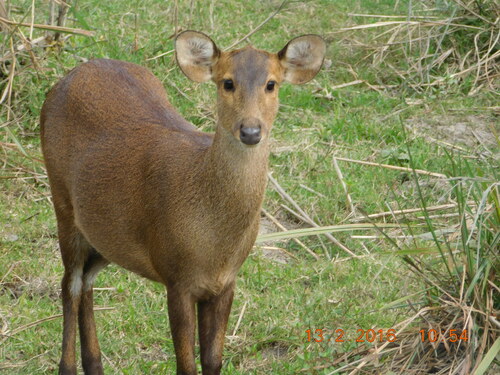
Close Relative (c) Vincegohan, some rights reserved (CC BY-SA) · cc-by-sa
Help improve the field guideSomething wrong?
Checking your Fauna account…Report a name, category, or profile issue for review.