
Mammal
Pudu
Pudu pudaAlso known as Southern Pudu, Chilean Pudu
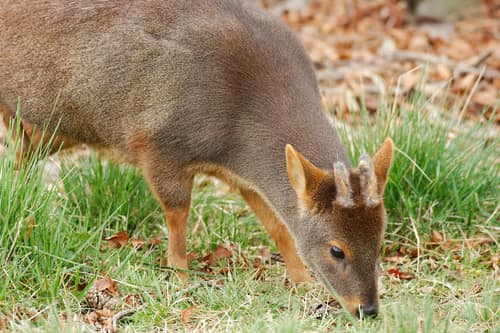
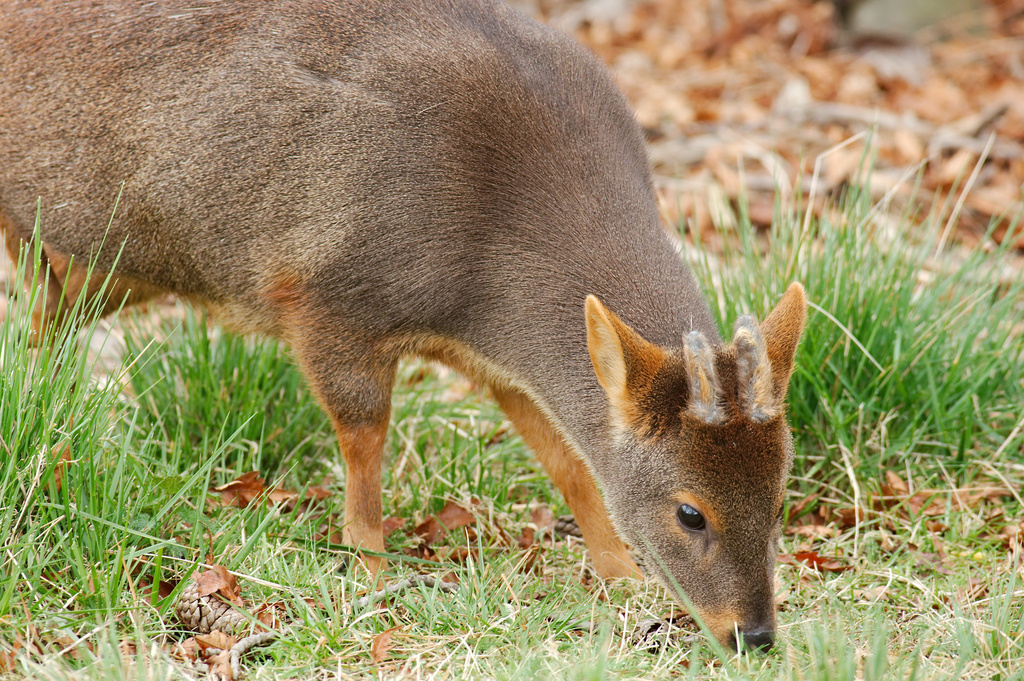
Southern pudus are the world's smallest deer, navigating the dense undergrowth of temperate rainforests with remarkable agility. These solitary, secretive animals create a network of tunnels through thick bamboo and ferns to escape predators and move unseen. When threatened, they bark in alarm and run in a zig-zag pattern, sometimes even climbing trees or scaling steep slopes to find safety.
CrepuscularSolitaryForest Dweller
—observations
—countries
—peak records
Near ThreatenedConservation statusIUCN Red List categoriesLCNTVUENCREWEXNear ThreatenedRed List categories, explained →
Diet & preyHerbivorous (leaves, twigs, bark, buds, fruit, and flowers)
Predators
- Puma
- Andean Fox
- Domestic Dog
ThreatsHabitat loss, domestic dog attacks, vehicle collisions, and poaching
HabitatsTemperate rainforests, dense bamboo thickets, and forest edges
Life span8 to 10 years in the wild
Classification
- FamilyCervidae
- SpeciesPudu puda
Native
Interaction riskLow
- Low
- Moderate
- High
- Very high
- Why interaction risk is low
- Safe to observe at a normal distance.
- What to notice
- Recognizable by its tiny size, rounded ears, short spike-like antlers on males, and rich reddish-brown coat.
- Support conservation
- Maintain a respectful distance, never attempt to chase or corner them, and keep domestic dogs strictly leashed.
Responsible observation
- Look for tunnels: Search for small, arched pathways cleared through low-growing bamboo and ferns.
- Listen closely: Listen for soft, high-pitched bleating or sudden, sharp alarm barks in dense brush.
- Keep dogs leashed: Ensure pets are controlled, as domestic dogs are a major threat to these small deer.

Predator National Park Service / Public domain · cc0 Image unavailable
Food Source Frequent Companion Close Relative
Help improve the field guideSomething wrong?
Checking your Fauna account…Report a name, category, or profile issue for review.