
Mammal
Mountain Tapir
Tapirus pinchaqueAlso known as Andean Tapir, Woolly Tapir, Pinchaque
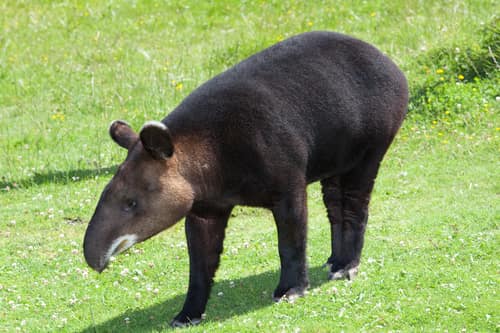
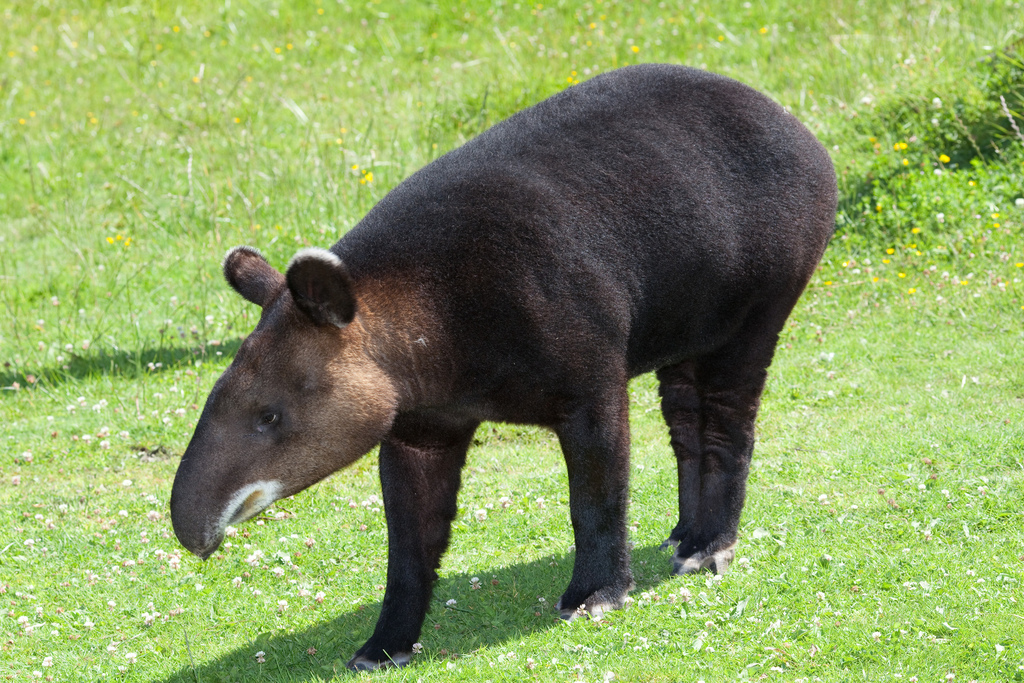
Mountain tapirs navigate the steep, misty slopes of the high Andes, wrapped in a thick, woolly coat that insulates them against freezing mountain nights. These solitary herbivores are easily recognized by their prominent white lips and a flexible, prehensile snout used to strip leaves and twigs from alpine vegetation. As vital seed dispersers, they play a crucial role in maintaining the health of fragile cloud forests and paramo ecosystems.
AlpineSolitaryHerbivore
—observations
—countries
—peak records
EndangeredConservation statusIUCN Red List categoriesLCNTVUENCREWEXEndangeredRed List categories, explained →
Diet & preyLeaves, twigs, ferns, bromeliads, and high-altitude shrubs
Predators
- Spectacled Bear
- Cougar
- Jaguar
ThreatsHabitat fragmentation, agricultural expansion, poaching, and climate change
HabitatsMontane cloud forests, paramo grasslands, and high-altitude wetlands
Life span25 to 30 years
Classification
- FamilyTapiridae
- SpeciesTapirus pinchaque
Native
Interaction riskHigh
- Low
- Moderate
- High
- Very high
- Why interaction risk is high
- Shy and non-aggressive, but can charge or bite if cornered; observe quietly from a safe distance.
- What to notice
- Look for a dark, woolly coat, white-fringed ears, and distinctive white lips in high-altitude Andean forests.
- Support conservation
- Never approach, feed, or attempt to track them off-trail, as human presence can disrupt their feeding.
Responsible observation
- Keep your distance: Maintain a respectful distance of at least 20 meters to avoid startling them.
- Watch for tracks: Look for their distinct three-toed footprints in muddy mountain trails.
- Listen closely: Listen for high-pitched whistles, which they use to communicate in dense fog.
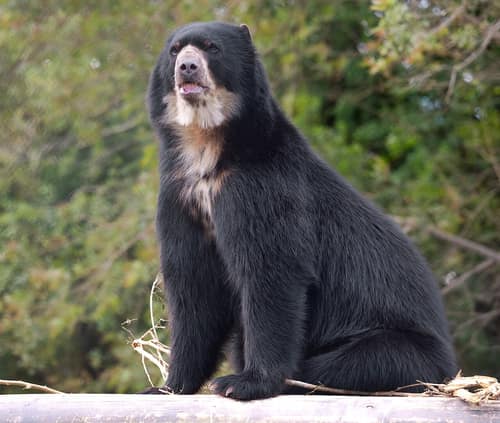
Frequent Companion Wilfredor / CC0 · cc0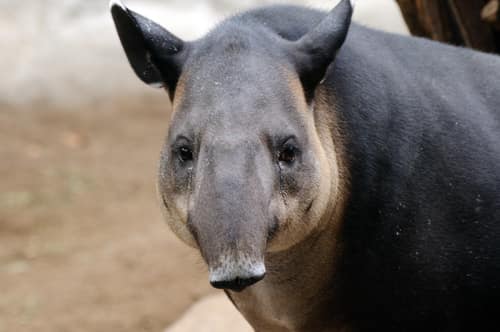
Close Relative "Baird's Tapir" by Eric Kilby is licensed under CC BY-SA 2.0. To view a copy of this license, visit https://creativecommons.org/licenses/by-sa/2.0/. · cc-by-sa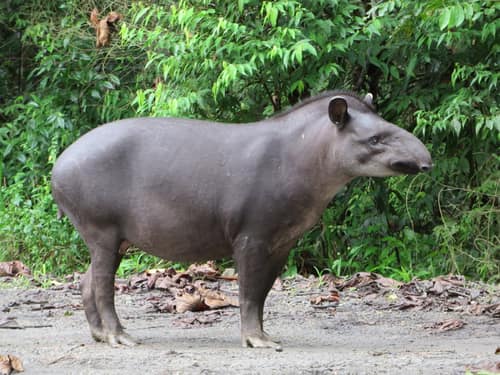
Close Relative (c) Jens-Christian Svenning, some rights reserved (CC BY), uploaded by Jens-Christian Svenning · cc-by
Help improve the field guideSomething wrong?
Checking your Fauna account…Report a name, category, or profile issue for review.