
Mammal
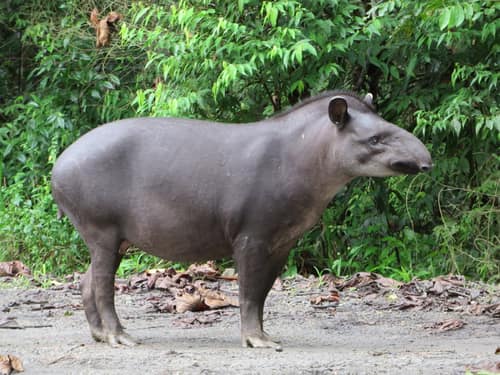
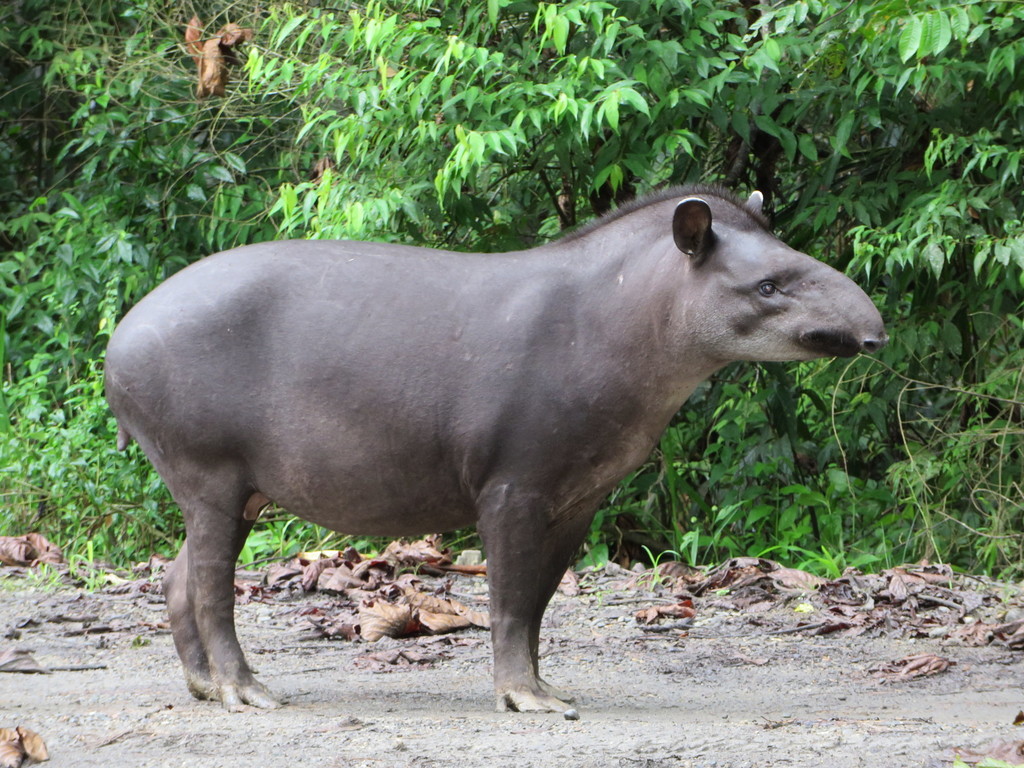
South American Tapir
Tapirus terrestrisAlso known as Brazilian Tapir, Lowland Tapir, Amazonian Tapir, Maned Tapir
South American tapirs roam tropical rainforests and river valleys, using their flexible prehensile snouts to pluck leaves, fruits, and aquatic vegetation. Excellent swimmers and divers, these heavy-bodied herbivores retreat into deep water or thick mud to cool off and evade predators like jaguars. By dispersing seeds across vast distances through their digestive tracts, they serve as crucial ecological engineers in Amazonian ecosystems.
MammalHerbivoreSemi-aquatic
—observations
—countries
—peak records
VulnerableConservation statusIUCN Red List categoriesLCNTVUENCREWEXVulnerableRed List categories, explained →
Diet & preyFallen Fruits, Leaves and Shoots, Aquatic Plants
Predators
- Jaguar
- Puma
- Green Anaconda
ThreatsDeforestation, habitat fragmentation, hunting, traffic collisions
HabitatsLowland rainforests, swamps, river valleys, gallery forests
Life span25–30 years
Classification
- OrderPerissodactyla
- FamilyTapiridae
- GenusTapirus
- SpeciesTapirus terrestris
Native
Interaction riskHigh
- Low
- Moderate
- High
- Very high
- Why interaction risk is high
- Large mammal capable of charging or biting if threatened; maintain a safe distance.
- Why it is dangerous
- Weighing up to 250 kilograms, a cornered or startled tapir can charge at high speeds or deliver a forceful bite with sharp incisors.
- How to recognize a risky encounter
- Look for a robust, dark-brown body featuring a low, narrow crest topped with a stiff black mane along the neck.
- What to do
- If encountered at close range, back away slowly behind a large tree and ensure you do not block its path to water.
- What to notice
- Recognizable by its dark coat, short tail, white-rimmed ears, and distinctive prehensile trunk.
- Support conservation
- Observe silently from established trails, avoid artificial lights, and support local conservation zones that protect river corridors.
Responsible observation
- Patience at Waterholes: Scan muddy riverbanks and shallow wallows during dawn or dusk when tapirs are most active.
- Keep Distance: Maintain a safe buffer of at least 15 meters, especially if a mother is with a young striped calf.
- Listen Carefully: Watch for sudden splashes or high-pitched whistle calls echoing through dense foliage.
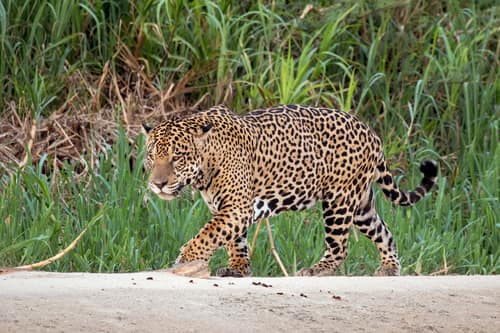
Predator (c) Charles J. Sharp , some rights reserved (CC BY-SA) · cc-by-sa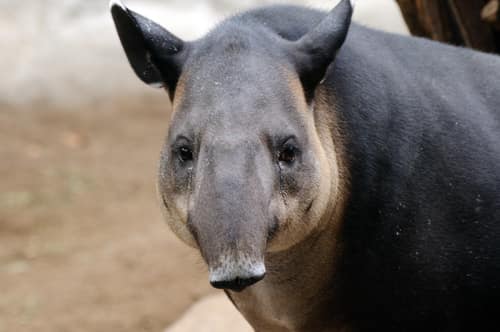
Close Relative "Baird's Tapir" by Eric Kilby is licensed under CC BY-SA 2.0. To view a copy of this license, visit https://creativecommons.org/licenses/by-sa/2.0/. · cc-by-sa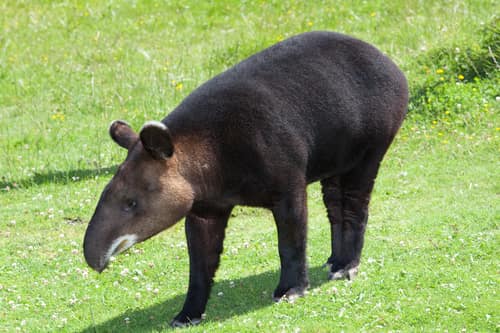
Close Relative (c) David Sifry, some rights reserved (CC BY) · cc-by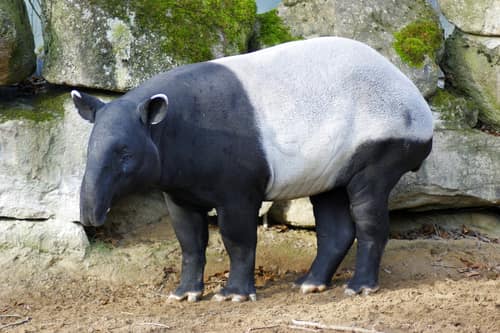
Close Relative (c) Allie_Caulfield, some rights reserved (CC BY) · cc-by
Keep collecting in Fauna
Found in Collections
Species set Pro
Emerald Kingdom
South American Tapir is found in this collection. Identify it in Fauna to fill this slot and continue your progress.
Unlock to track progress
Help improve the field guideSomething wrong?
Checking your Fauna account…Report a name, category, or profile issue for review.