
Mammal
Grévy's Zebra
Equus grevyiAlso known as Imperial Zebra
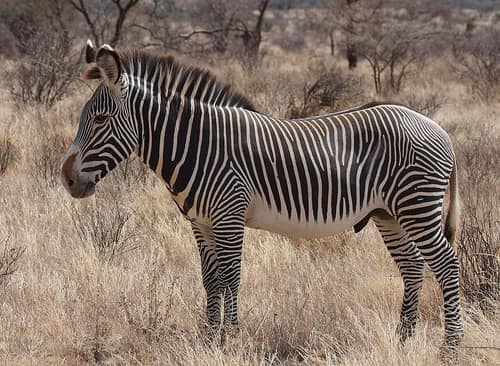
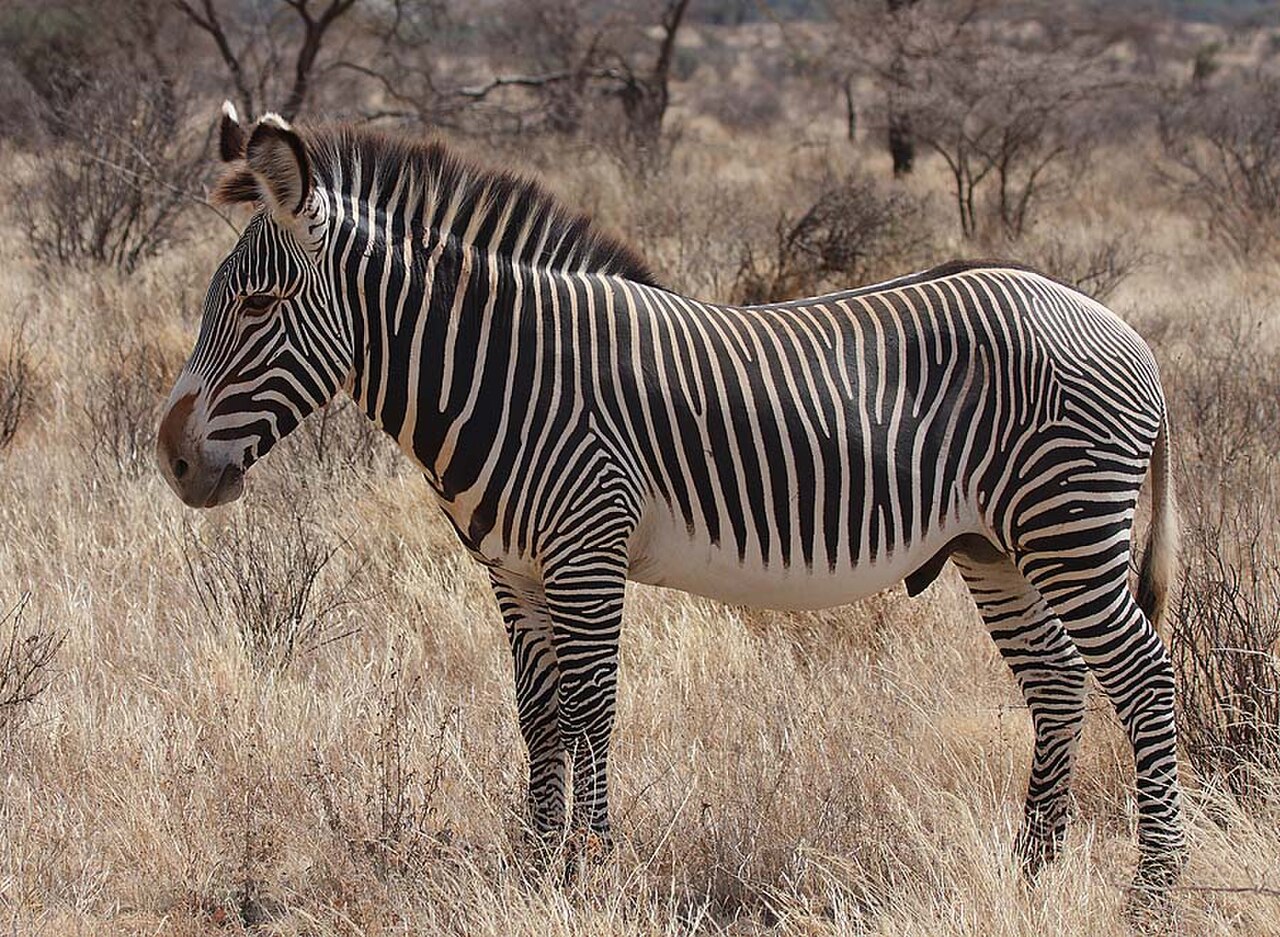
Grévy's zebras are highly adapted to dry horn of Africa scrublands, where territorial stallions defend prime water access rather than maintaining permanent harems. They communicate using loud, donkey-like braying vocalizations that carry far across the desert terrain. Nursing mares require water daily, driving seasonal movements between grazing pastures and permanent riverways.
MammalStriped
—observations
—countries
—peak records
EndangeredConservation statusIUCN Red List categoriesLCNTVUENCREWEXEndangeredRed List categories, explained →
Diet & preyGrasses, Shrub foliage, Bark
Predators
- Lions
- Spotted Hyenas
- Leopards
ThreatsHabitat loss, water competition with livestock, poaching, drought
HabitatsArid and semi-arid grasslands, shrublands, open savanna
Life span20–25 years in the wild
Classification
- OrderPerissodactyla
- FamilyEquidae
- GenusEquus
- SpeciesEquus grevyi
Native
Interaction riskHigh
- Low
- Moderate
- High
- Very high
- Why interaction risk is high
- Large wild ungulates with powerful kicks and bites; keep a respectful distance during safari observations.
- Why it is dangerous
- Capable of delivering severe, bone-breaking kicks and powerful crushing bites when cornered.
- How to recognize a risky encounter
- Tall stature, narrow high-density black and white stripes, plain white belly, and large rounded ears.
- What to do
- Remain inside safari vehicles and never attempt to approach or feed wild individuals on foot.
- What to notice
- Recognizable by fine, closely packed stripes that leave the belly completely white.
- Support conservation
- Give drinking herds ample space at water points to prevent driving them away from vital resources.
Responsible observation
- Keep Distance: Maintain at least 50 meters in vehicles to avoid disrupting grazing patterns.
- Listen Carefully: Watch for their distinct braying calls when locating herds in dense brush.
- Observe Ears: Large, rounded ears rotate independently toward subtle sound sources.
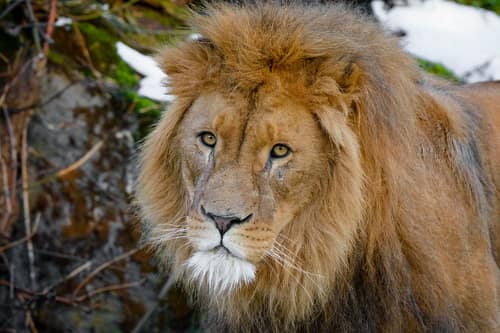
Predator "African Lion" by Mathias Appel is marked with CC0 1.0. To view the terms, visit https://creativecommons.org/publicdomain/zero/1.0/. · cc0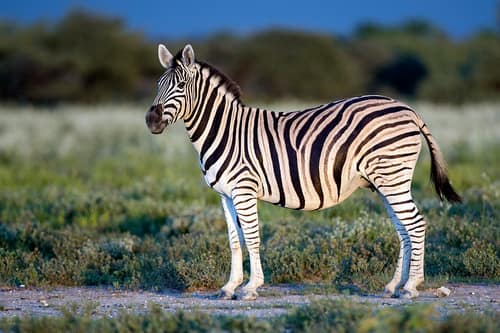
Close Relative Yathin S Krishnappa / CC BY-SA 3.0 · cc-by-sa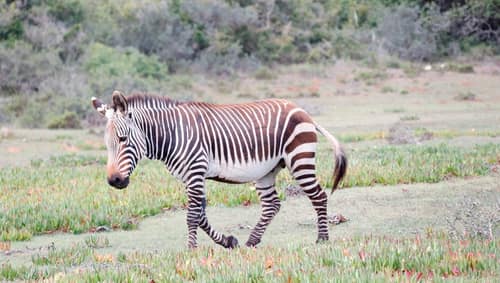
Close Relative (c) Tony Rebelo, some rights reserved (CC BY-SA), uploaded by Tony Rebelo · cc-by-sa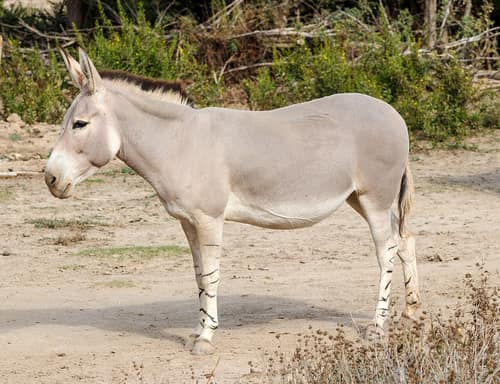
Close Relative H. Zell / CC BY-SA 3.0 · cc-by-sa
Keep collecting in Fauna
Found in Collections
Species set Pro
Safari Ranger
Grévy's Zebra is found in this collection. Identify it in Fauna to fill this slot and continue your progress.
Unlock to track progress
Help improve the field guideSomething wrong?
Checking your Fauna account…Report a name, category, or profile issue for review.