
Mammal
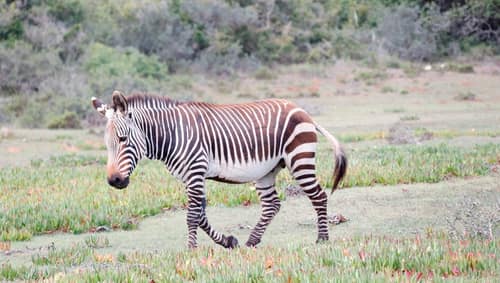
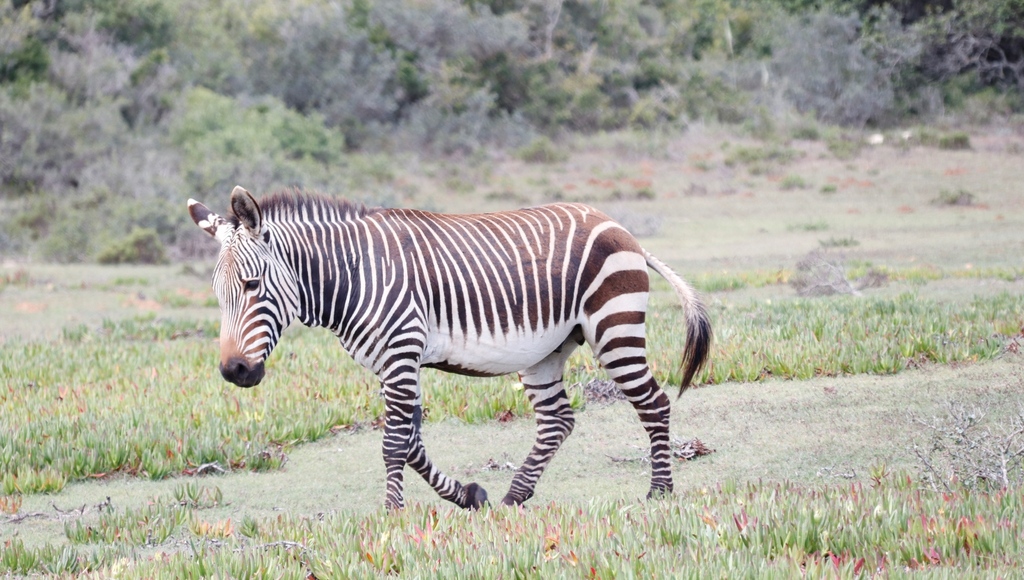
Mountain Zebra
Equus zebraAlso known as Cape Mountain Zebra, Hartmann's Mountain Zebra
Mountain zebras traverse steep, rocky escarpments with exceptional agility, aided by hard, pointed hooves adapted specifically for broken terrain. Family groups consist of a dominant stallion, several adult mares, and their offspring, with non-breeding bachelor males roaming in separate loose bands. They frequently roll in dust baths to rid their coats of parasites and engage in mutual grooming along the neck to strengthen social bonds.
HerbivoreMontaneMammal
—observations
—countries
—peak records
VulnerableConservation statusIUCN Red List categoriesLCNTVUENCREWEXVulnerableRed List categories, explained →
Diet & preyPerennial grasses, Shrub foliage, Bark and roots
Predators
- Lion
- Spotted Hyena
- Leopard
ThreatsHabitat fragmentation, agricultural fencing, drought, hybridization with plains zebras, poaching
HabitatsRugged mountainous slopes, arid rocky hills, high plateaus, semi-desert grasslands
Life span20–25 years in the wild
Classification
- OrderPerissodactyla
- FamilyEquidae
- GenusEquus
- SpeciesEquus zebra
Native
Interaction riskHigh
- Low
- Moderate
- High
- Very high
- Why interaction risk is high
- Can deliver dangerous kicks or bites if approached; maintain a safe observation distance of at least 50 meters.
- Why it is dangerous
- Large and muscular equids capable of delivering bone-shattering kicks and deep crushing bites when cornered or defending foals.
- How to recognize a risky encounter
- Recognized by bold black-and-white striping without shadow stripes, a distinctive throat dewlap, and an unstriped white belly.
- What to do
- Never approach on foot or block natural escape routes; observe quietly from inside a safari vehicle.
- What to notice
- Look for the prominent flap of skin (dewlap) beneath the throat and a fine ladder-like gridiron pattern above the tail.
- Support conservation
- Keep travel strictly to designated roads in reserves to avoid eroding fragile montane soils and disrupting breeding herds.
Responsible observation
- Vehicle Viewing: Remain inside your vehicle during game drives, as herds are far more relaxed around safari cars than walking humans.
- Binocular Scanning: Use optics to inspect rocky scree and ridgelines where their striping provides surprisingly effective camouflage.
- Waterhole Patience: Sit quietly near dry-season water points where family groups descend from steep hills to drink.
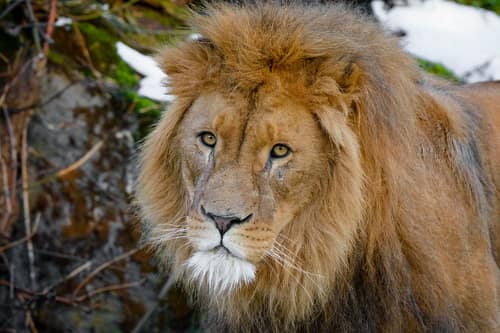
Predator "African Lion" by Mathias Appel is marked with CC0 1.0. To view the terms, visit https://creativecommons.org/publicdomain/zero/1.0/. · cc0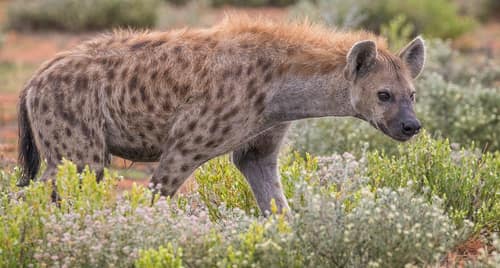
Predator Charles J. Sharp / CC BY-SA 4.0 · cc-by-sa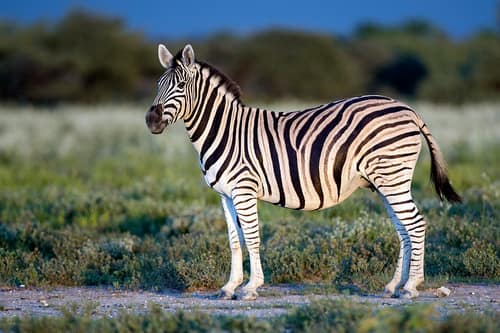
Close Relative Yathin S Krishnappa / CC BY-SA 3.0 · cc-by-sa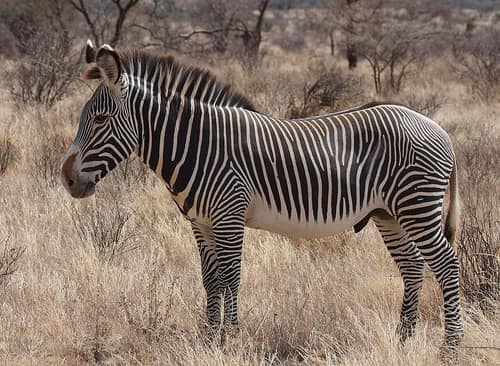
Close Relative Rainbirder / CC BY-SA 2.0 · cc-by-sa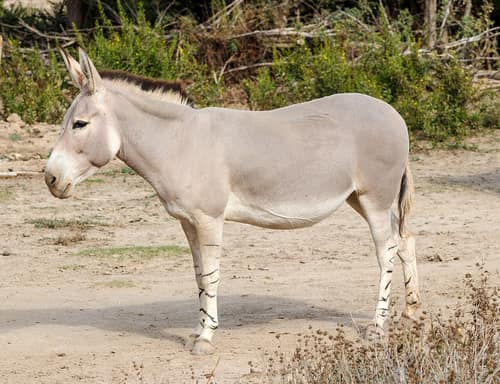
Close Relative H. Zell / CC BY-SA 3.0 · cc-by-sa
Keep collecting in Fauna
Found in Collections
Species set Pro
Safari Ranger
Mountain Zebra is found in this collection. Identify it in Fauna to fill this slot and continue your progress.
Unlock to track progress
Help improve the field guideSomething wrong?
Checking your Fauna account…Report a name, category, or profile issue for review.