
Mammal
Fin Whale
Balaenoptera physalusAlso known as Finback Whale, Common Rorqual, Razorback Whale, Herring Whale
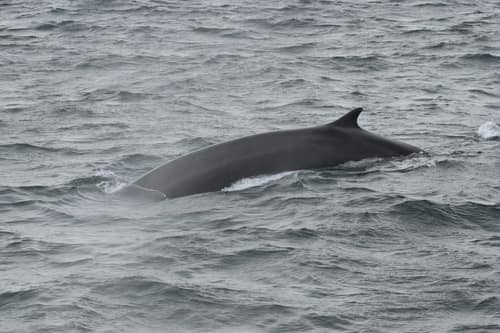
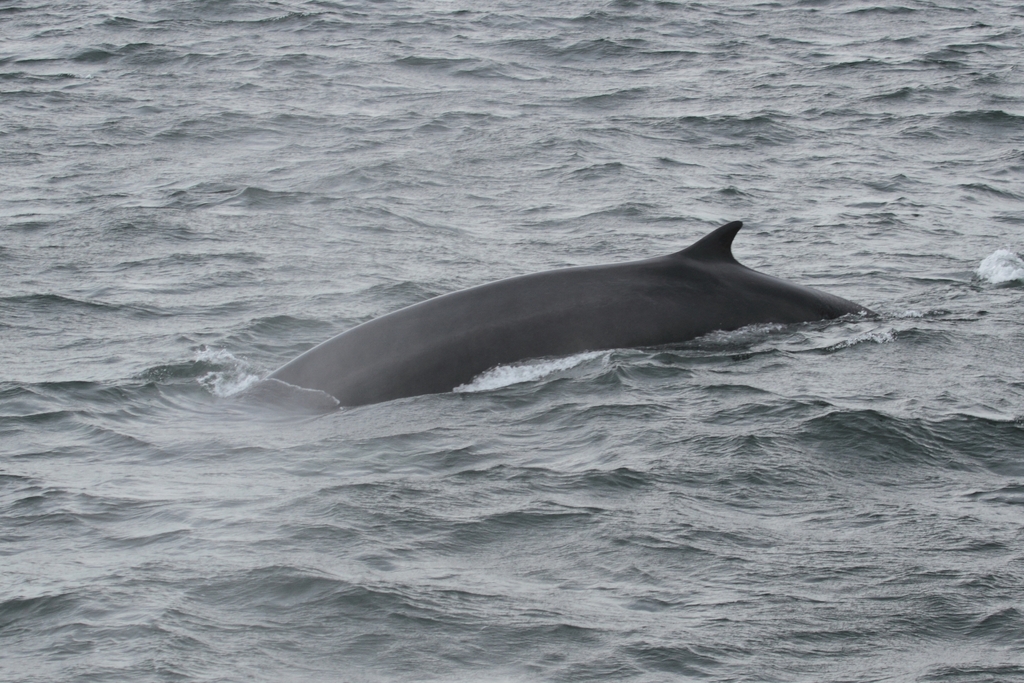
Fin whales slice through ocean waters at impressive speeds, earning them the moniker greyhounds of the sea. They display a unique asymmetrical coloration, featuring a stark white lower right jaw that contrasts with their otherwise dark grey body. Highly vocal, their low-frequency acoustic pulses can travel across hundreds of kilometers of open ocean to communicate with distant individuals.
MigratoryMarineGiant
—observations
—countries
—peak records
VulnerableConservation statusIUCN Red List categoriesLCNTVUENCREWEXVulnerableRed List categories, explained →
Diet & preyKrill, Herring, Capelin
Predators
- Killer Whale
ThreatsVessel strikes, ocean noise, fishing gear entanglement, climate change
HabitatsPelagic ocean, deep offshore waters
Life span80–100 years
Classification
- FamilyBalaenopteridae
- SpeciesBalaenoptera physalus
Range data is not available yet.
Interaction riskHigh
- Low
- Moderate
- High
- Very high
- Why interaction risk is high
- Maintain a safe distance of at least 100 meters while boating to prevent vessel strikes.
- What to notice
- Recognized by its long, sleek body, tall curved dorsal fin, and distinctive white lower right jaw.
- Support conservation
- Keep a respectful distance of at least 100 meters and reduce boat speeds in key migration routes.
Responsible observation
- Boating Etiquette: Maintain a distance of at least 100 meters and slow your vessel to idle speed if whales approach.
- Spotting Cues: Look for tall, column-like blows reaching up to eight meters high followed by a low dorsal fin surfacing late.
- Noise Reduction: Turn off echo sounders and depth finders to minimize underwater sound disturbance near foraging pods.
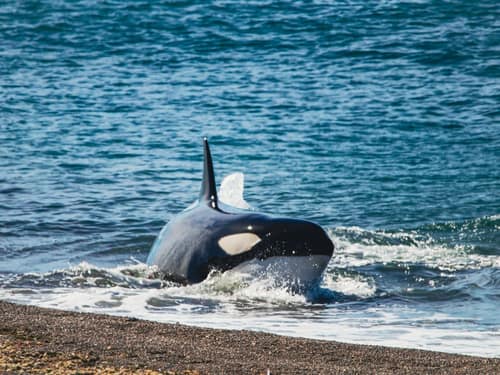
Predator (c) Martín Acosta Albarracín, some rights reserved (CC BY), uploaded by Martín Acosta Albarracín · cc-by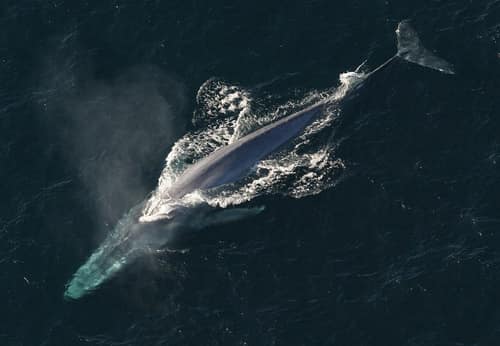
Close Relative NOAA / Public Domain (NOAA) · Public Domain (NOAA)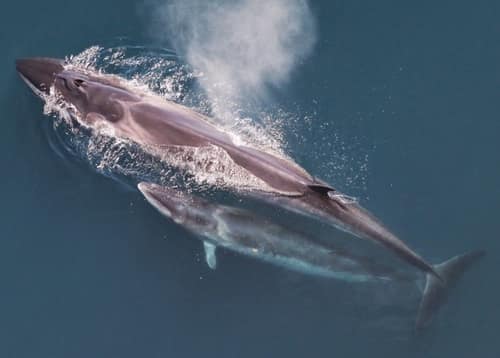
Close Relative (c) Christin Khan, some rights reserved (CC BY-SA) · cc-by-sa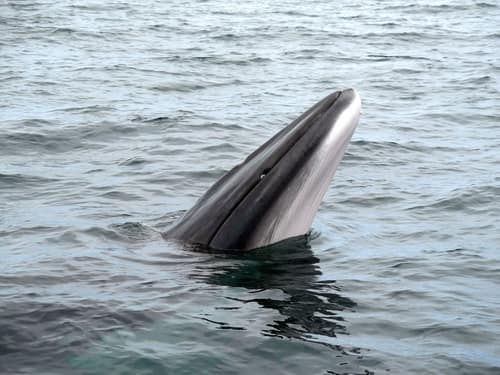
Close Relative (c) Nils, some rights reserved (CC BY), uploaded by Nils · cc-by
Help improve the field guideSomething wrong?
Checking your Fauna account…Report a name, category, or profile issue for review.