
Mammal
Sei Whale
Balaenoptera borealisAlso known as Pollack Whale, Sardine Whale, Rudolphi's Rorqual, Japan Finner
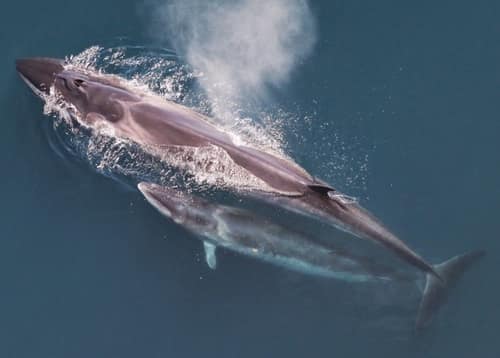
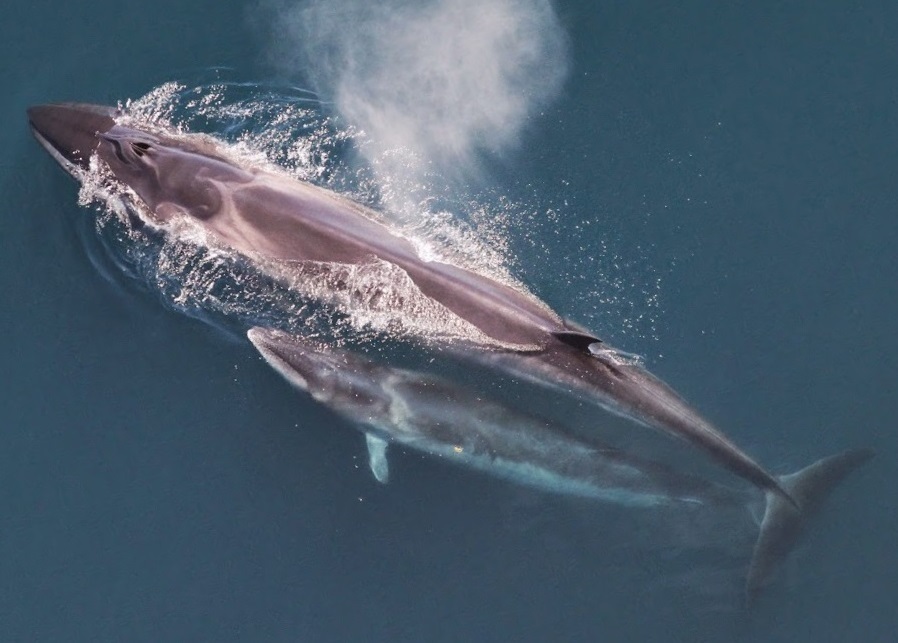
Sei whales are sleek, streamlined ocean wanderers renowned as some of the fastest swimmers among all cetaceans. They travel through deep offshore waters, skimming the surface to filter massive quantities of tiny copepods and krill through their fine baleen plates. Unlike their larger relatives, they rarely raise their flukes when diving, leaving only a subtle swirl on the water's surface as they slip back into the depths.
MarineMigratory
—observations
—countries
—peak records
EndangeredConservation statusIUCN Red List categoriesLCNTVUENCREWEXEndangeredRed List categories, explained →
Diet & preyCopepods, Krill, Anchovies
Predators
- Killer Whale
- Large Sharks
ThreatsShip strikes, ocean noise, entanglement in fishing gear, and climate change
HabitatsDeep pelagic oceans, temperate to subpolar waters
Life span50 to 70 years
Classification
- FamilyBalaenopteridae
- SpeciesBalaenoptera borealis
Range data is not available yet.
Interaction riskHigh
- Low
- Moderate
- High
- Very high
- Why interaction risk is high
- Maintain a safe distance of at least 100 yards to prevent accidental collisions with these fast-moving giants.
- What to notice
- Look for a dark steel-grey body, a tall curved dorsal fin, and a single ridge on the snout.
- Support conservation
- Always slow vessels to under ten knots when in known habitats and never approach closer than legally mandated.
Responsible observation
- Watch the dorsal fin: Look for a tall, sickle-shaped dorsal fin that rises simultaneously with the blowhole.
- Keep your distance: Maintain a vessel distance of at least 100 yards to avoid disrupting their feeding behavior.
- Listen for the blow: Listen for a loud, metallic blow that can rise up to three meters high on calm days.
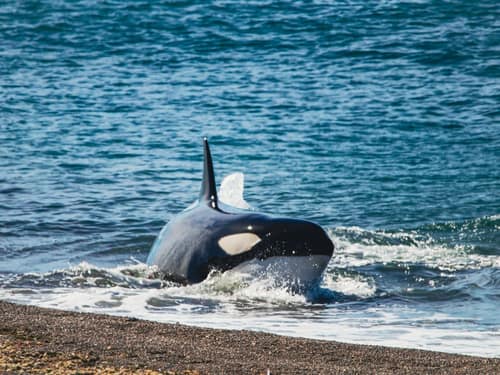
Predator (c) Martín Acosta Albarracín, some rights reserved (CC BY), uploaded by Martín Acosta Albarracín · cc-by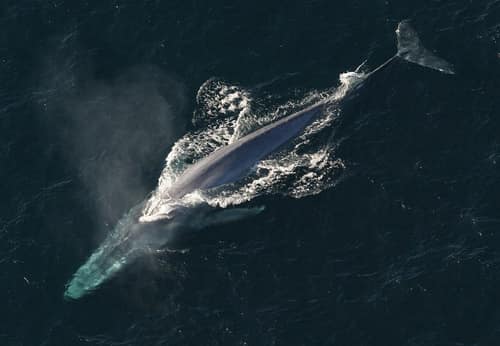
Close Relative NOAA / Public Domain (NOAA) · Public Domain (NOAA)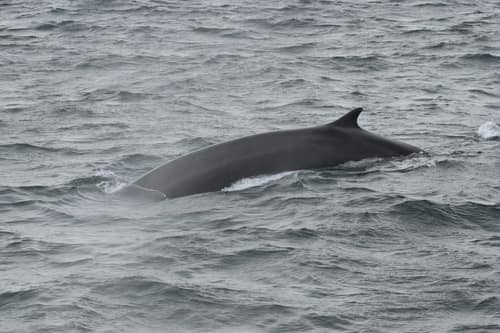
Close Relative (c) Cephas, some rights reserved (CC BY-SA) · cc-by-sa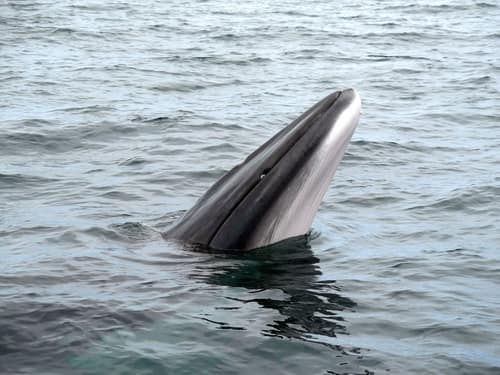
Close Relative (c) Nils, some rights reserved (CC BY), uploaded by Nils · cc-by
Help improve the field guideSomething wrong?
Checking your Fauna account…Report a name, category, or profile issue for review.