
Mammal
Gray Whale
Eschrichtius robustusAlso known as Grey Whale, Devil Fish, Mussel Digger, California Gray Whale
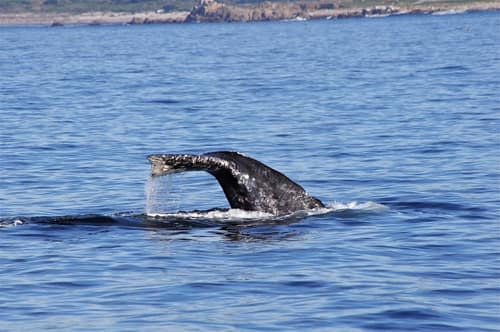
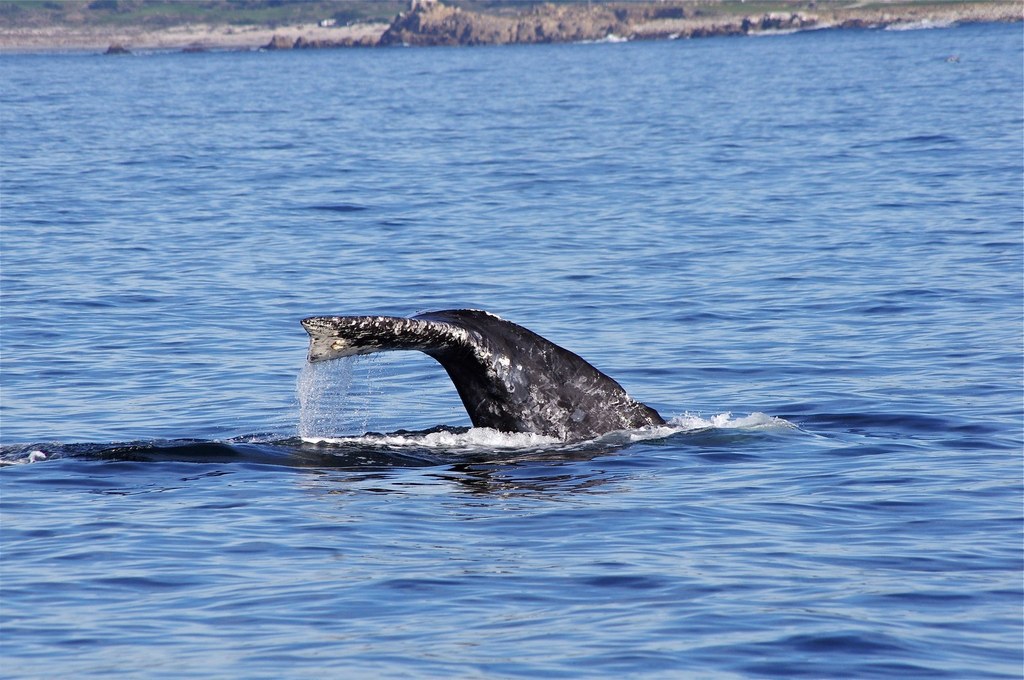
Gray whales are famous for their epic annual migrations, traveling thousands of miles between icy Arctic feeding grounds and warm Mexican breeding lagoons. Unlike other baleen whales, they are primarily benthic feeders, rolling onto their sides to scoop up mouthfuls of sediment and filter out tiny amphipods from the seafloor. Their mottled gray skin is typically encrusted with a unique ecosystem of barnacles and whale lice, giving each individual a highly distinctive, rugged appearance.
MigratoryMarine MammalBaleen Whale
—observations
—countries
—peak records
Least ConcernConservation statusIUCN Red List categoriesLCNTVUENCREWEXLeast ConcernRed List categories, explained →
Diet & preyBenthic Amphipods, Mysid Shrimp, Planktonic Larvae
Predators
- Orca
- Great White Shark
- Human
ThreatsEntanglement in fishing gear, ship strikes, ocean noise, and climate change affecting prey
HabitatsCoastal waters, shallow continental shelves, and warm lagoons
Life span55 to 80 years
Classification
- FamilyEschrichtiidae
- SpeciesEschrichtius robustus
Range data is not available yet.
Interaction riskHigh
- Low
- Moderate
- High
- Very high
- Why interaction risk is high
- Massive size can easily capsize small vessels; maintain a safe distance of at least 100 yards.
- Why it is dangerous
- Mothers are fiercely protective of their calves and can aggressively ram boats if they feel threatened or cornered.
- How to recognize a risky encounter
- Recognized by their massive size, lack of a dorsal fin, and heart-shaped blow.
- What to do
- Never position a vessel between a mother and her calf, and immediately back away if a whale shows signs of agitation.
- What to notice
- Look for a mottled gray body lacking a dorsal fin, featuring a low hump and a series of knuckles along the lower back.
- Support conservation
- Never pursue or encircle whales, and minimize engine noise when they are nearby.
Responsible observation
- Keep Your Distance: Maintain a distance of at least 100 yards when viewing from a boat to avoid disrupting their travel.
- Watch for Blows: Look for their characteristic low, heart-shaped blow on the horizon to track their movement.
- Respect Nursery Lagoons: In breeding bays, only use authorized, regulated tour vessels that follow strict whale-watching guidelines.
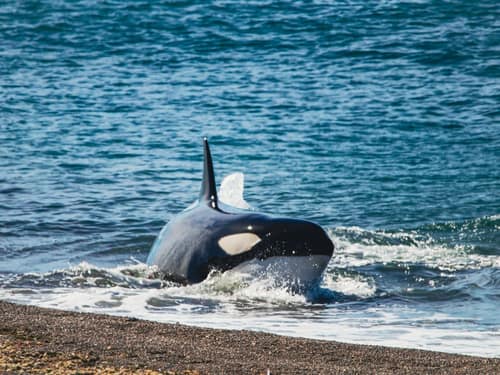
Predator (c) Martín Acosta Albarracín, some rights reserved (CC BY), uploaded by Martín Acosta Albarracín · cc-by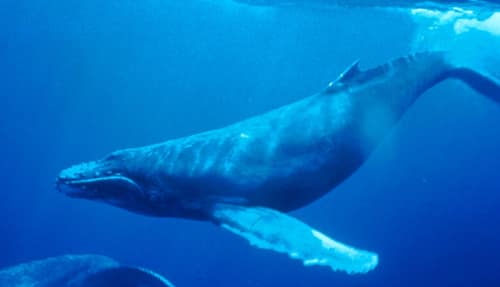
Co-occurring Cetacean Wikimedia Commons / Public domain · cc0 Image unavailable
Symbiont Prey
Help improve the field guideSomething wrong?
Checking your Fauna account…Report a name, category, or profile issue for review.