
Mammal
North Atlantic Right Whale
Eubalaena glacialisAlso known as Northern Right Whale, Black Right Whale
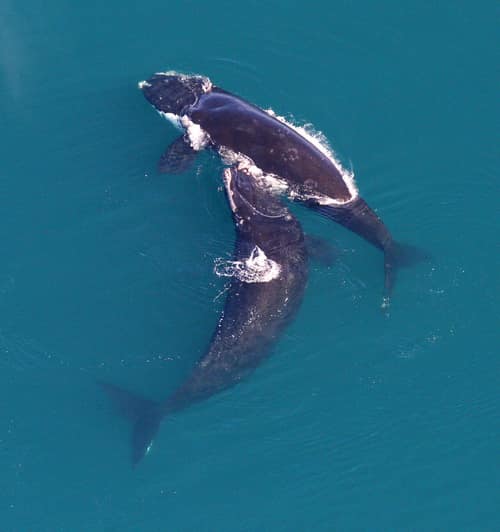
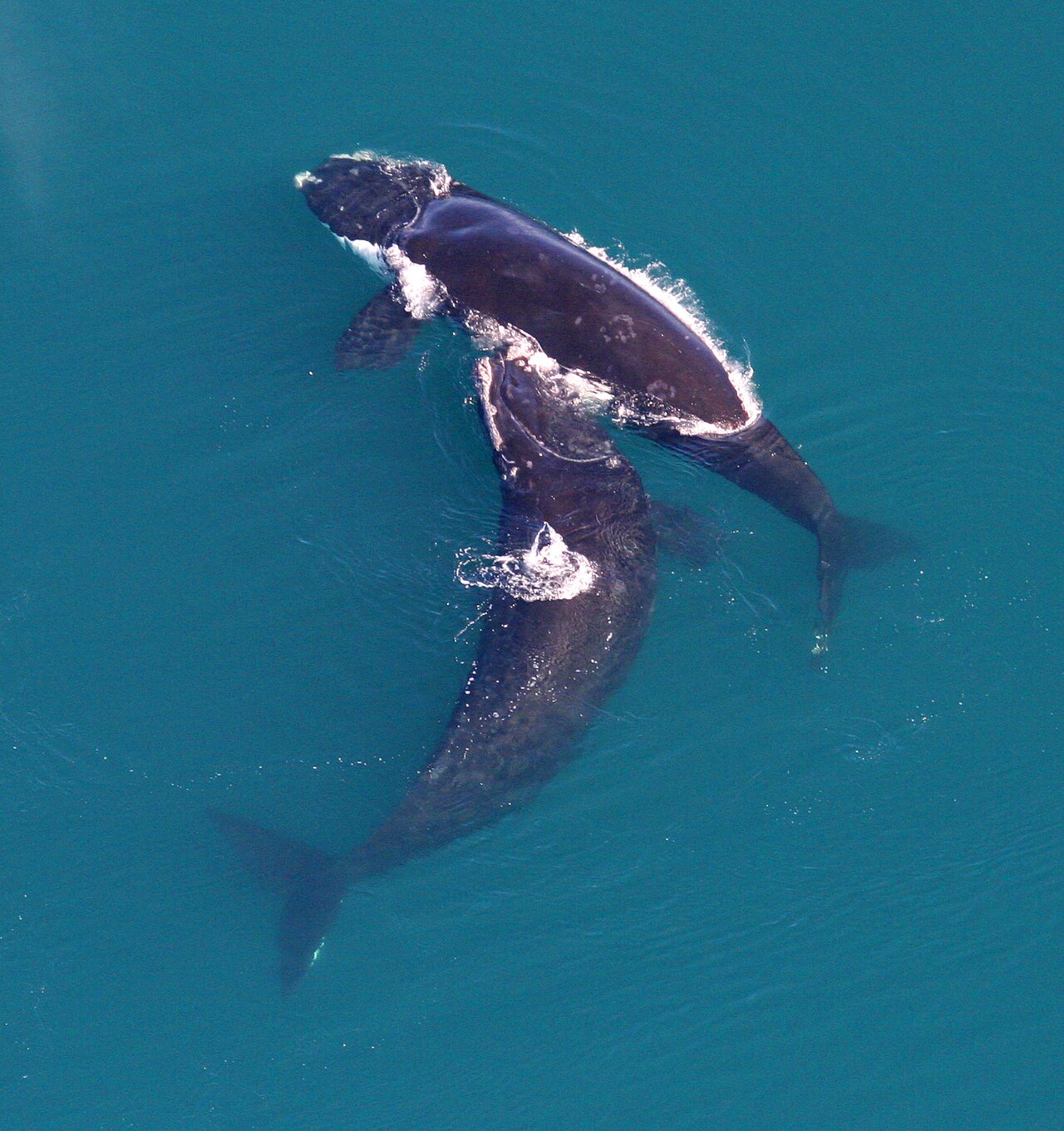
North Atlantic right whales are majestic, slow-moving giants easily recognized by the rough, white patches of thickened skin called callosities on their heads. These gentle filter feeders spend their lives hugging the eastern coastline of North America, navigating some of the world's busiest shipping lanes to travel between northern feeding grounds and southern calving lagoons. Because they lack a dorsal fin and float when killed, they were once deemed the right whale to hunt, a legacy that leaves them on the brink of extinction today.
MigratoryMarineFilter Feeder
—observations
—countries
—peak records
Critically EndangeredConservation statusIUCN Red List categoriesLCNTVUENCREWEXCritically EndangeredRed List categories, explained →
Diet & preyCopepods, Krill, Larval Barnacles
Predators
- Orca
- Great White Shark
ThreatsVessel strikes, fishing gear entanglement, and climate-driven prey shifts
HabitatsCoastal and temperate ocean waters
Life span70 or more years
Classification
- FamilyBalaenidae
- SpeciesEubalaena glacialis
Range data is not available yet.
Interaction riskHigh
- Low
- Moderate
- High
- Very high
- Why interaction risk is high
- Keep a distance of at least 500 yards to avoid vessel strikes and minimize stress to these giants.
- What to notice
- Look for a V-shaped blow, a broad black back with no dorsal fin, and distinctive white callosities on the head.
- Support conservation
- Never approach these whales; slow down to under 10 knots in their migratory corridors and report any entangled individuals.
Responsible observation
- Keep Your Distance: Federal law requires all vessels, aircraft, and swimmers to stay at least 500 yards away.
- Report Sightings: Document any sightings or suspected entanglements immediately to the Coast Guard or local marine mammal stranding network.
- Go Slow: Adhere to seasonal speed zones of 10 knots or less in designated right whale conservation areas.
 Image unavailable
Primary Prey 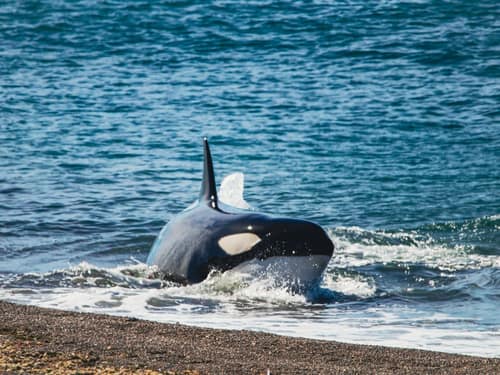
Predator (c) Martín Acosta Albarracín, some rights reserved (CC BY), uploaded by Martín Acosta Albarracín · cc-by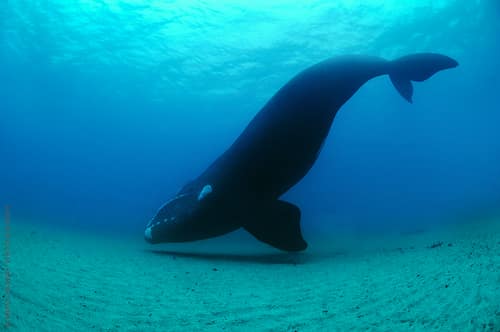
Close Relative (c) Oregon State University, some rights reserved (CC BY-SA) · cc-by-sa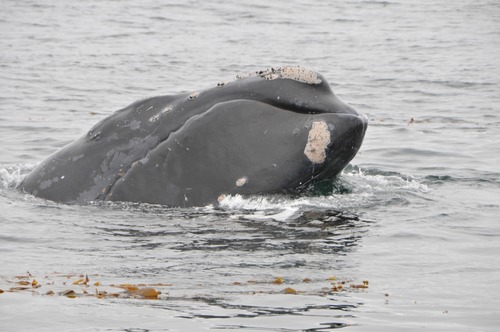
Close Relative (c) Mark Hoffman and Bruce Long, some rights reserved (CC BY-SA) · cc-by-sa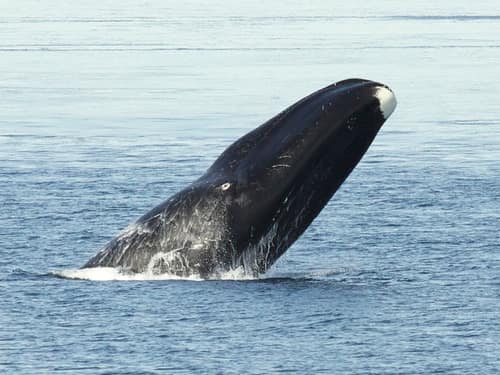
Close Relative (c) Bering Land Bridge National Preserve, some rights reserved (CC BY-SA) · cc-by-sa
Help improve the field guideSomething wrong?
Checking your Fauna account…Report a name, category, or profile issue for review.