Also known as Common Wombat, Coarse-haired Wombat, Island Wombat
Bare-nosed wombats are heavily built marsupials equipped with short, powerful limbs and flattened claws designed for excavating extensive underground burrow systems. They produce distinctive cube-shaped feces that mark their territories on elevated rocks and logs without rolling away. Females carry a single joey in a backward-facing pouch, an evolutionary adaptation that prevents soil from smothering the young while the mother digs.
ThreatsSarcoptic mange, vehicle strikes, dog attacks, habitat fragmentation
HabitatsEucalyptus forests, coastal heathlands, woodlands, montane areas
Life span12–15 years in the wild
Classification
FamilyVombatidae
SpeciesVombatus ursinus
Range & activity
Native
Safe observation
Interaction riskHigh
Low
Moderate
High
Very high
Why interaction risk is high
Capable of delivering a sharp bite or scratch if cornered; keep a respectful distance.
Why it is dangerous
Strong jaws and heavy claws can cause injuries, and cornered individuals can crush threats against burrow ceilings using their dense, cartilaginous rear rump plate.
How to recognize a risky encounter
Look for a barrel-shaped body, coarse dark fur, and a prominent hairless, leathery black nose.
What to do
Give foraging animals a wide berth and never reach inside burrows or block an exit path.
Responsible observation
Nighttime Spotting: Scan open grassy clearings along forest edges shortly after dusk.
Burrow Etiquette: Maintain distance from active burrow entrances to avoid disturbing resting individuals.
Roadside Caution: Slow down on rural roads in southeastern Australia during twilight and night hours.

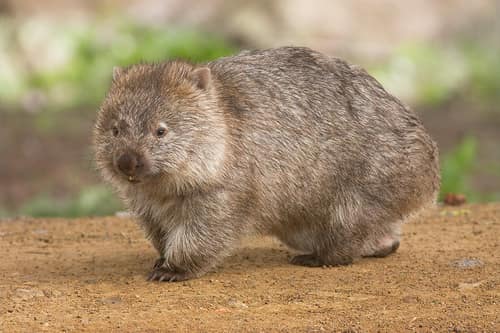
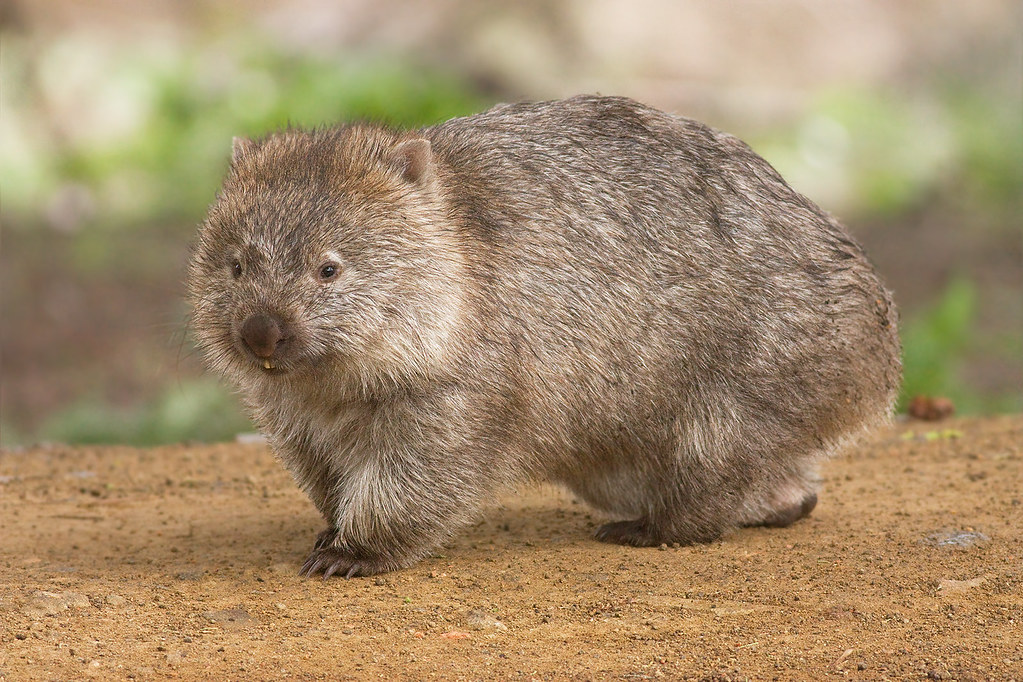
 Image unavailable