
Mammal
Koala
Phascolarctos cinereusAlso known as Koala Bear, Native Bear
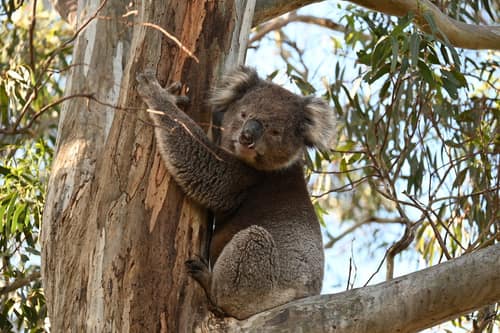
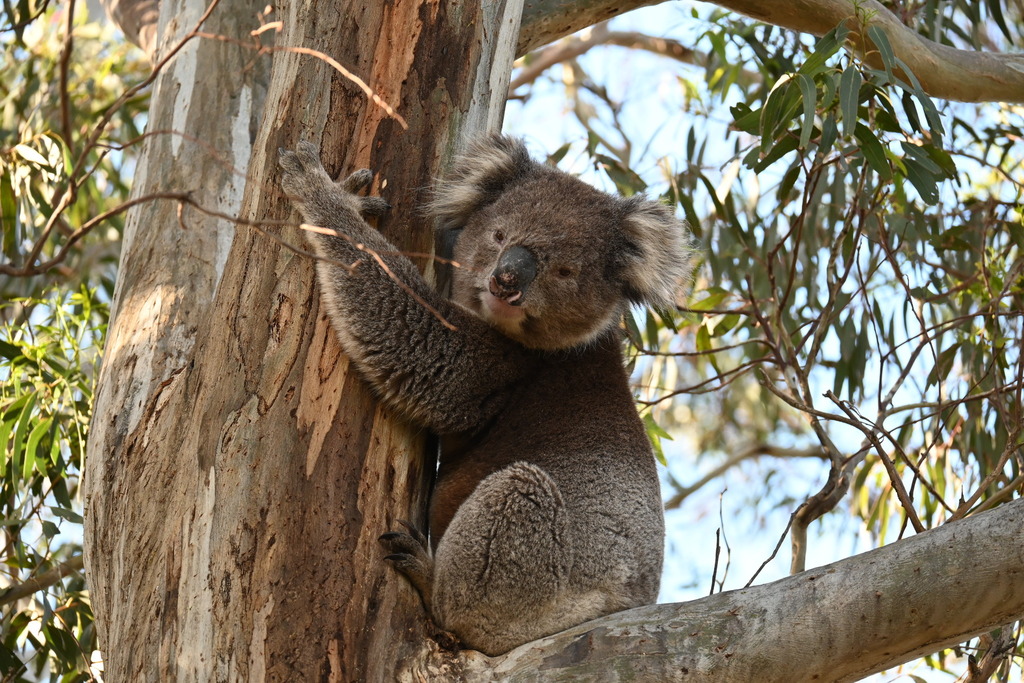
Koalas spend up to twenty hours a day resting or sleeping in the forks of eucalyptus trees to conserve energy while digesting toxic, fibrous foliage. Specialized gut bacteria break down leaf toxins, while leathery paw pads and long, curved claws provide an unbreakable grip on smooth bark. Mothers carry a single joey in a backward-facing pouch before transferring the growing young to ride on their back.
ArborealMarsupialHerbivore
—observations
—countries
—peak records
VulnerableConservation statusIUCN Red List categoriesLCNTVUENCREWEXVulnerableRed List categories, explained →
Diet & preyEucalyptus Leaves
Predators
- Dingoes
- Powerful Owls
- Wedge-tailed Eagles
ThreatsHabitat loss, bushfires, Chlamydia infection, vehicle strikes
HabitatsEucalyptus forests and open woodlands
Life span10–18 years
Classification
- OrderDiprotodontia
- FamilyPhascolarctidae
- GenusPhascolarctos
- SpeciesPhascolarctos cinereus
Native
Interaction riskLow
- Low
- Moderate
- High
- Very high
- Why interaction risk is low
- Equipped with strong jaws and sharp claws that can inflict deep scratches if handled or cornered.
- Why it is dangerous
- Possesses powerful jaws and long, sharp climbing claws capable of inflicting serious puncture wounds when cornered.
- How to recognize a risky encounter
- Identified by a stout tailless body, thick grey fur, large fluffy ears, and a leathery black nose.
- What to do
- Observe from the ground and never attempt to touch or rescue without professional wildlife training.
- What to notice
- Recognized by dense grey or brownish fur and prominent round ears high in eucalyptus crowns.
- Support conservation
- Keep dogs leashed in koala territory and report injured animals to local wildlife rescuers rather than handling them directly.
Responsible observation
- Viewing Distance: Keep a distance of at least ten meters to avoid causing stress or inducing defensive behavior.
- Scanning Strategy: Look high into tree forks and major branch crotches for motionless grey shapes during daylight hours.
- Eucalyptus Indicators: Search mature forests with high concentrations of preferred gum tree species such as tallowwood or manna gum.
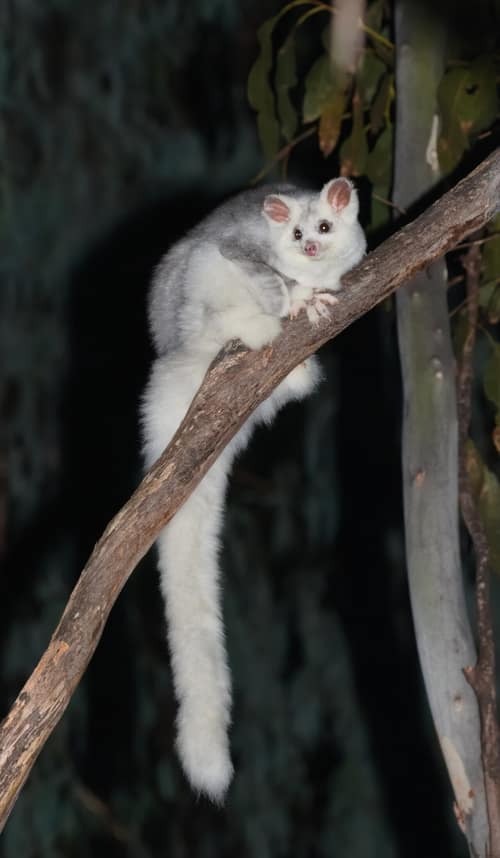
Canopy Neighbor Third Silence Nature Photography / CC BY 4.0 · cc-by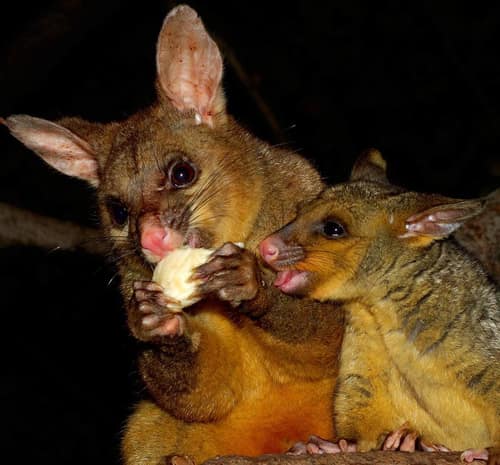
Competitor (c) Jes, some rights reserved (CC BY-SA) · cc-by-sa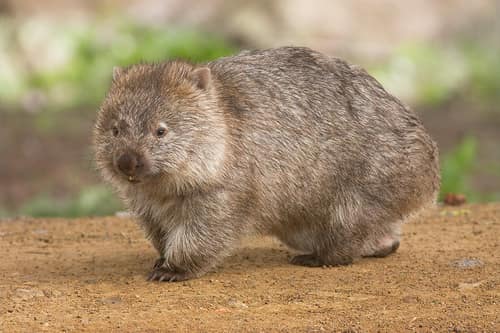
Close Relative "Common Wombat" by JJ Harrison is licensed under CC BY-SA 2.0. To view a copy of this license, visit https://creativecommons.org/licenses/by-sa/2.0/. · cc-by-sa
Keep collecting in Fauna
Found in Collections
Species set Pro
Cute & Cuddly
Koala is found in this collection. Identify it in Fauna to fill this slot and continue your progress.
Unlock to track progress
Help improve the field guideSomething wrong?
Checking your Fauna account…Report a name, category, or profile issue for review.