
Mammal
Big-eared Opossum
Didelphis auritaAlso known as Saruê, Gambá
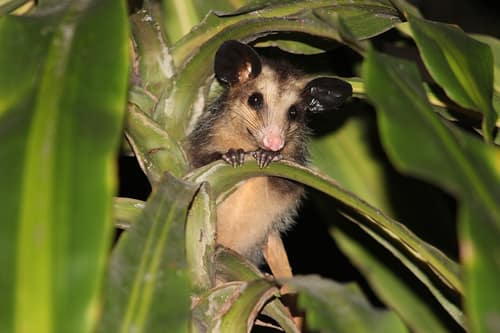
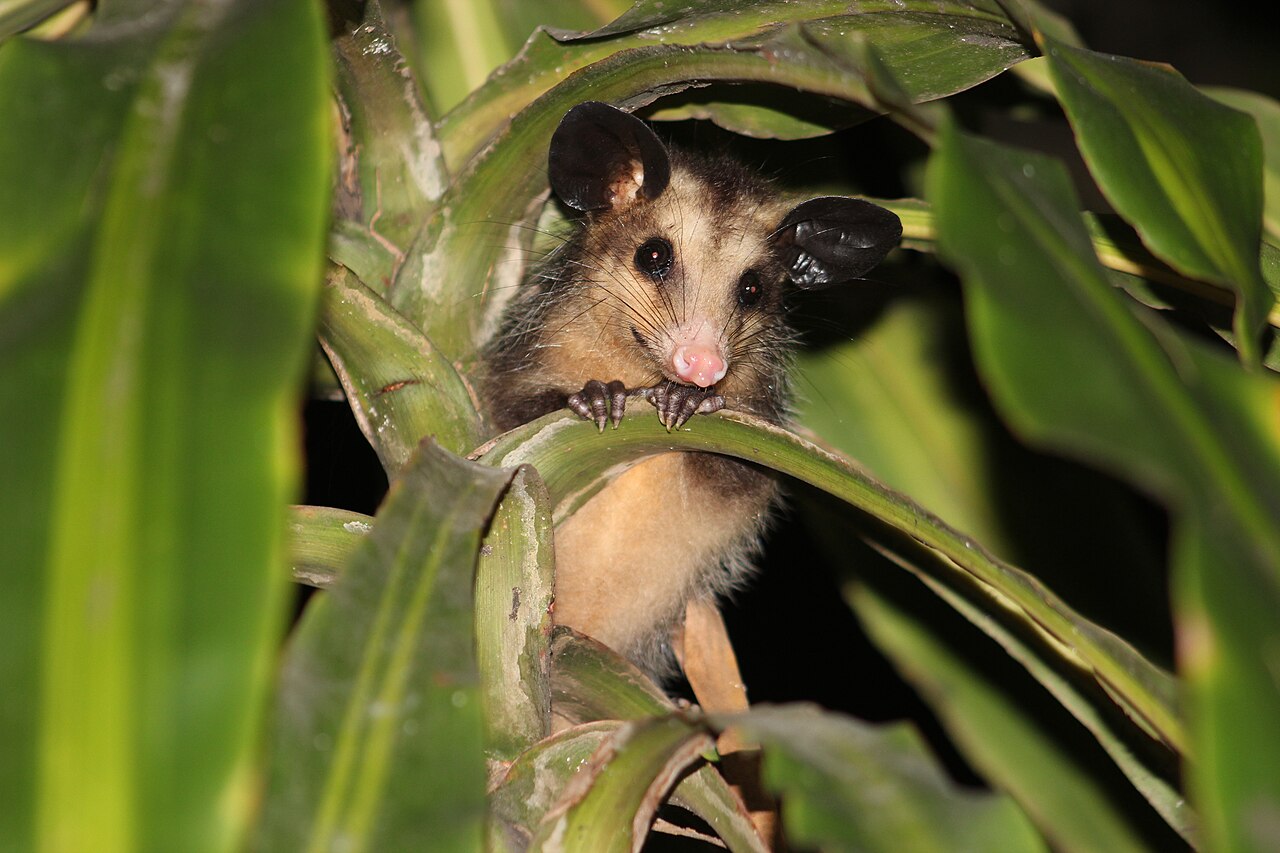
Big-eared opossums are highly adaptable marsupials that thrive in both the dense canopy of the Atlantic Forest and bustling urban neighborhoods. These nocturnal foragers use their prehensile tails and opposable thumbs to navigate branches and fences with remarkable agility. When threatened, they hiss loudly and bare their fifty sharp teeth, though they prefer to slip away quietly into the night.
NocturnalMarsupialAdaptable
—observations
—countries
—peak records
Least ConcernConservation statusIUCN Red List categoriesLCNTVUENCREWEXLeast ConcernRed List categories, explained →
Diet & preyInsects, Snakes, Wild Fruits
Predators
- Ocelot
- Harpy Eagle
- Domestic Dog
ThreatsHabitat fragmentation, vehicular collisions, domestic dog attacks, and human persecution
HabitatsAtlantic Forest, urban areas, agricultural lands, and shrublands
Life span2 to 3 years
Classification
- FamilyDidelphidae
- SpeciesDidelphis aurita
Native
Interaction riskLow
- Low
- Moderate
- High
- Very high
- Why interaction risk is low
- May hiss and bite if cornered; observe from a safe distance and do not corner.
- Why it is dangerous
- Capable of delivering a painful bite with its sharp teeth if cornered, handled, or threatened.
- How to recognize a risky encounter
- Look for a cat-sized marsupial with prominent, hairless black ears, a pointed snout, and a long, scaly prehensile tail.
- What to do
- Never attempt to touch or capture a wild opossum; back away slowly and allow it an escape route.
Responsible observation
- Keep Distance: Give them space when encountered at night, as they are non-aggressive but will defend themselves if cornered.
- Secure Trash: Keep outdoor garbage bins sealed to avoid attracting them to residential yards.
- Leash Pets: Keep dogs on a leash during night walks in areas where these marsupials forage.
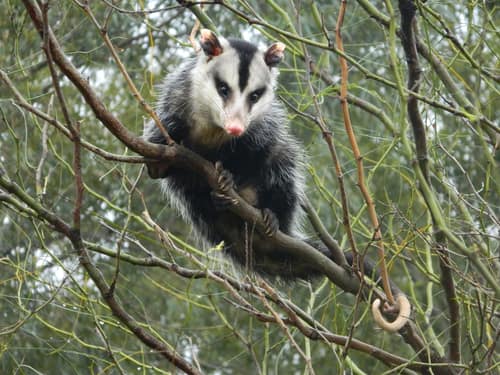
Close Relative (c) Eduardo Luis Beltrocco, some rights reserved (CC BY), uploaded by Eduardo Luis Beltrocco · cc-by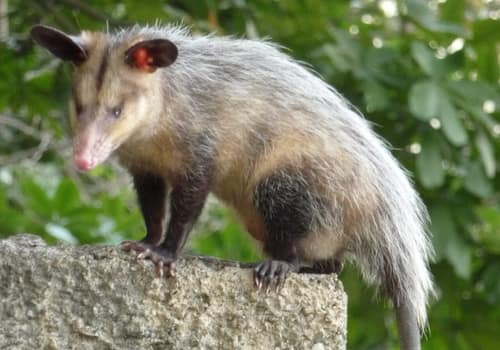
Close Relative Rabipelao.jpg: Juan Tello derivative work: WolfmanSF (talk) / CC BY 2.0 · cc-by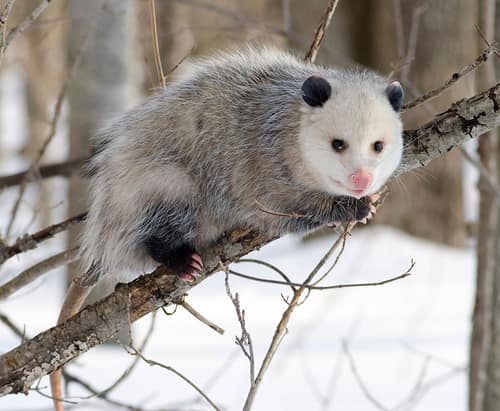
Close Relative Cody Pope / CC BY-SA 2.5 · cc-by-sa
Help improve the field guideSomething wrong?
Checking your Fauna account…Report a name, category, or profile issue for review.