
Mammal
Texas Kangaroo Rat
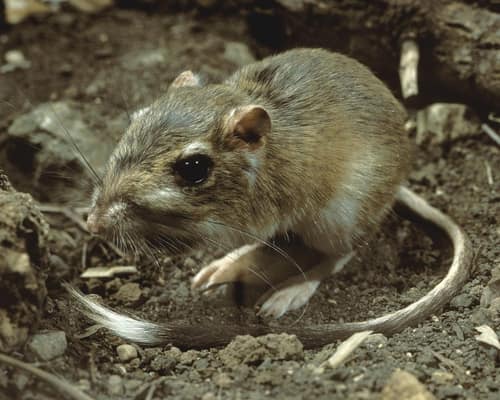
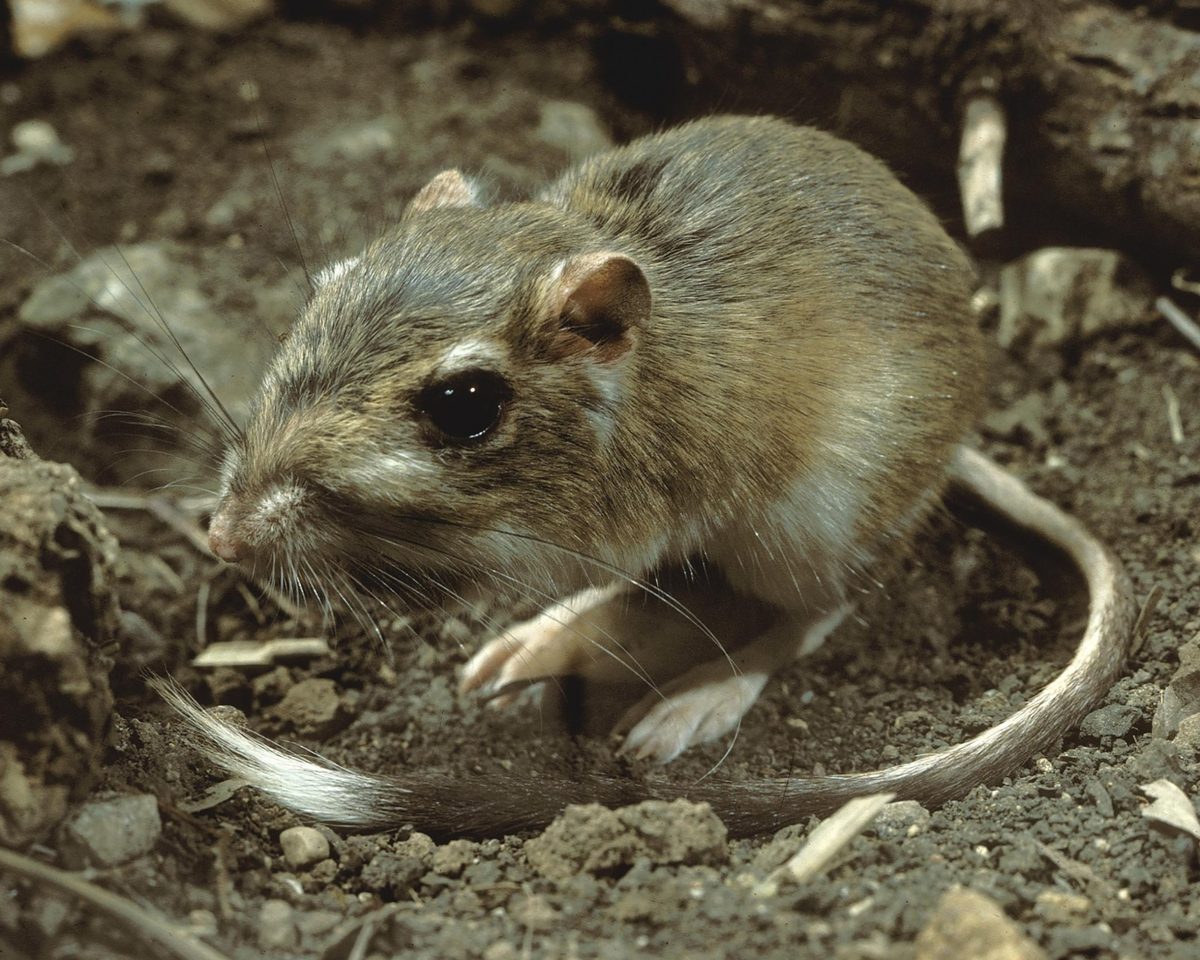
Dipodomys elatorTexas kangaroo rats are striking, bipedal rodents distinguished by their long, white-tipped tufted tails and powerful hind legs adapted for hopping across open ground. They construct complex burrow systems beneath the roots of mesquite and lotebush, preferring hard, clay-loam soils that support stable tunnels. Active strictly at night, these desert-adapted mammals forage for seeds and carry them back to underground caches in spacious cheek pouches.
NocturnalBurrowingEndemic
—observations
—countries
—peak records
VulnerableConservation statusIUCN Red List categoriesLCNTVUENCREWEXVulnerableRed List categories, explained →
Diet & preyMesquite seeds, Grass seeds, Insects
Predators
- Coyotes
- Barn owls
- Rattlesnakes
ThreatsHabitat loss from agriculture, brush clearing, and urban development
HabitatsClay-loam grasslands, mesquite savannas, and lotebush scrublands
Life span2 to 5 years in the wild
Classification
- FamilyHeteromyidae
- SpeciesDipodomys elator
Native
Interaction riskLow
- Low
- Moderate
- High
- Very high
- Why interaction risk is low
- Capable of biting if cornered; observe from a safe distance and do not attempt to handle.
- What to notice
- Look for a large rodent with a white-tipped, tufted tail and white stripes across the hips.
- Support conservation
- Never disturb active burrow sites or attempt to trap these rodents without scientific permits.
Responsible observation
- Spotting at night: Use a red-filtered flashlight to observe their nocturnal foraging without blinding them.
- Look for tracks: Search clay-loam paths for distinctive paired hopping prints and tail-drag marks.
- Respect burrows: Avoid stepping on or near burrow entrances under mesquite bushes to prevent tunnel collapses.
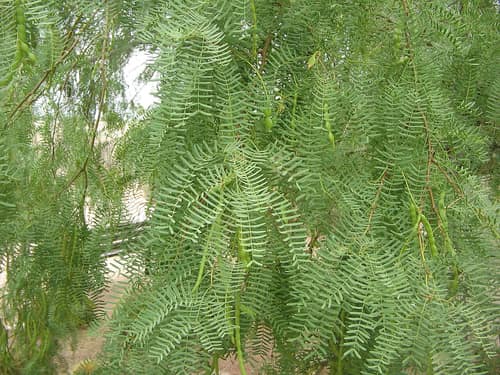
Host Plant Don A.W. Carlson / CC BY 2.5 · cc-by Image unavailable
Host Plant 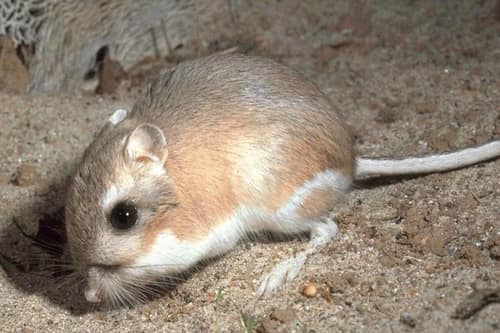
Close Relative Wikimedia Commons / Public domain · cc0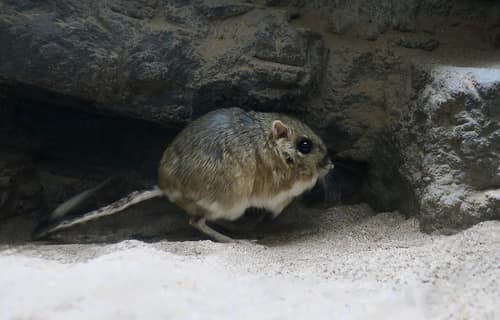
Close Relative RatioTile / CC BY-SA 4.0 · cc-by-sa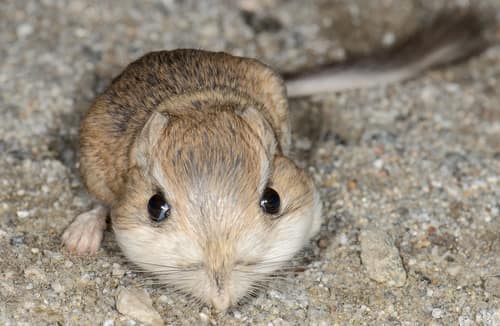
Close Relative (c) Marshal Hedin, some rights reserved (CC BY-SA) · cc-by-sa
Help improve the field guideSomething wrong?
Checking your Fauna account…Report a name, category, or profile issue for review.