
Mammal
Gambian Pouched Rat
Cricetomys gambianusAlso known as African Giant Pouched Rat, Gambian Giant Pouched Rat, Giant African Rat
Gambian pouched rats are extraordinary burrowing rodents famous for their keen sense of smell, which humans have harnessed to detect landmines and tuberculosis. These nocturnal giants use their spacious cheek pouches to gather massive quantities of nuts, seeds, and vegetation, carrying their haul back to complex underground nest chambers. While they live in loose family groups in the wild, they can adapt to diverse environments, sometimes becoming invasive pests when introduced outside their native African range.
NocturnalBurrowingIntelligent
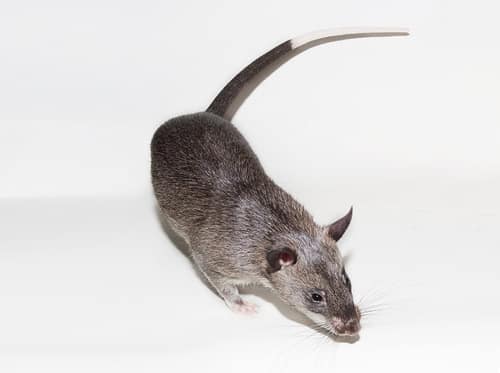
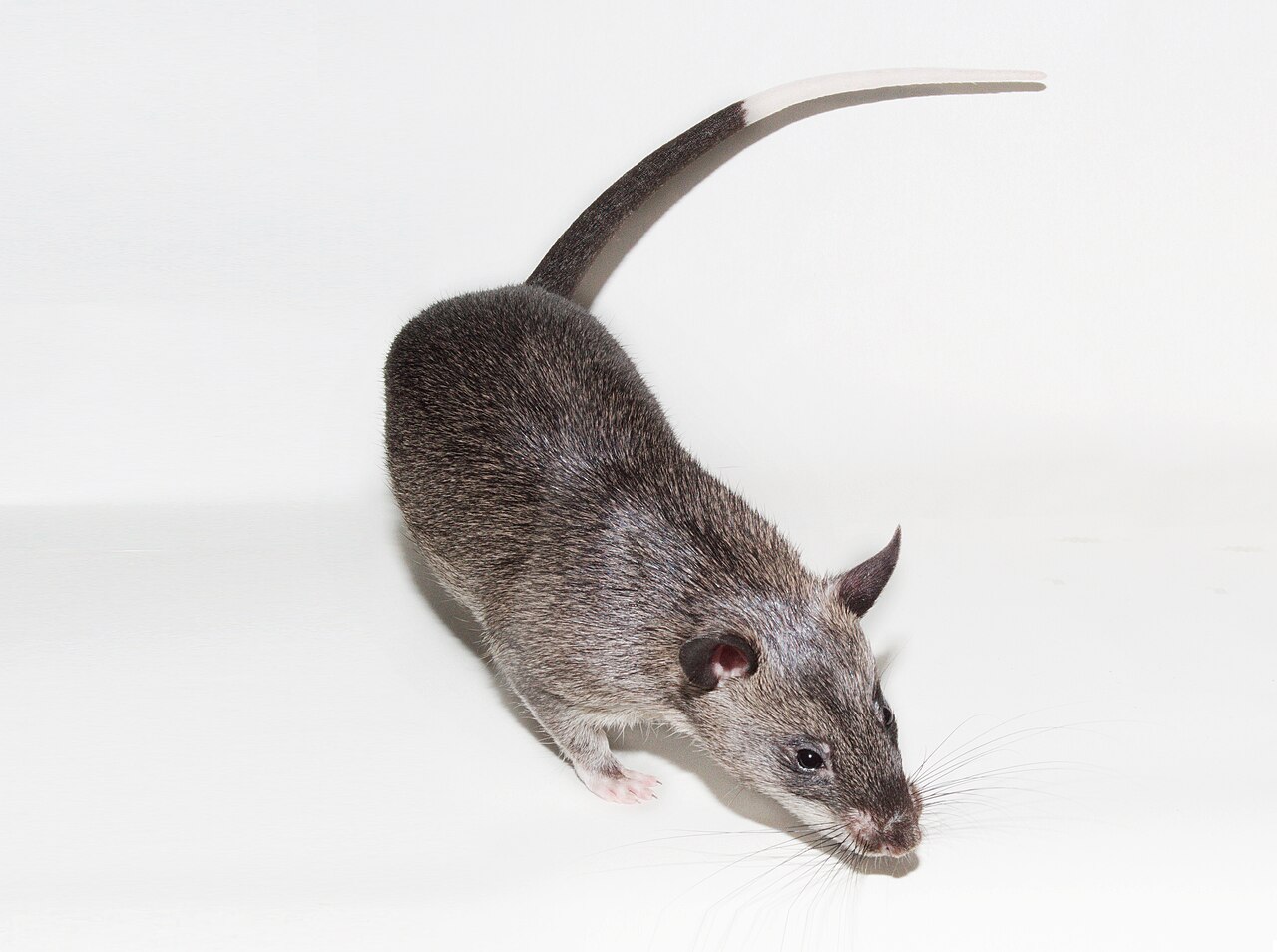
—observations
—countries
—peak records
Least ConcernConservation statusIUCN Red List categoriesLCNTVUENCREWEXLeast ConcernRed List categories, explained →
Diet & preyPalm Nuts, Seeds, Insects
Predators
- Leopards
- Large Owls
- Pythons
ThreatsHunting for bushmeat, habitat loss, and extermination as agricultural pests
HabitatsForests, woodlands, savannas, agricultural areas, and urban fringes
Life span5 to 8 years
Classification
- FamilyNesomyidae
- SpeciesCricetomys gambianus
Native
Interaction riskModerate
- Low
- Moderate
- High
- Very high
- Why interaction risk is moderate
- Can deliver a severe bite if cornered and may carry pathogens; observe wild individuals from a safe distance.
- Why it is dangerous
- Equipped with large, powerful incisors that can inflict deep puncture wounds, and wild populations can carry leptospirosis or monkeypox.
- How to recognize a risky encounter
- Recognizable by its immense size, long tail with a white tip, and dark eye rings.
- What to do
- Never attempt to corner, handle, or feed wild individuals; contact professional wildlife control if one enters a home.
Responsible observation
- Scent Detection: Appreciate their incredible olfactory abilities, which are utilized globally by organizations like APOPO to save human lives.
- Burrow Identification: Look for large entrance holes near tree roots or rock piles, often littered with discarded seed shells.
- Invasive Awareness: Report any sightings in non-native regions, such as the Florida Keys, to local wildlife authorities immediately.
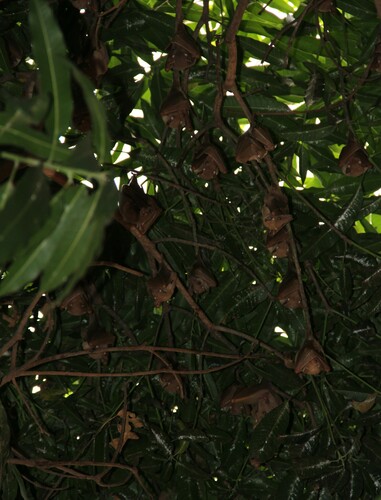
Frequent Companion (c) Lucy Keith-Diagne, some rights reserved (CC BY) · cc-by Image unavailable
Close Relative Close Relative
Help improve the field guideSomething wrong?
Checking your Fauna account…Report a name, category, or profile issue for review.