
Mammal
Bushy-tailed Woodrat
Neotoma cinereaAlso known as Packrat, Pack Rat, Mountain Woodrat
Bushy-tailed woodrats are easily recognized by their remarkably soft, squirrel-like tails and large, sensitive ears. Famous for their obsessive collecting habits, they gather shiny objects, bones, and foliage to construct massive, cemented nests called middens that can persist for thousands of years. These nocturnal rodents are highly agile climbers, navigating steep cliffs and rocky talus slopes with ease.
NocturnalAlpineNest-builder
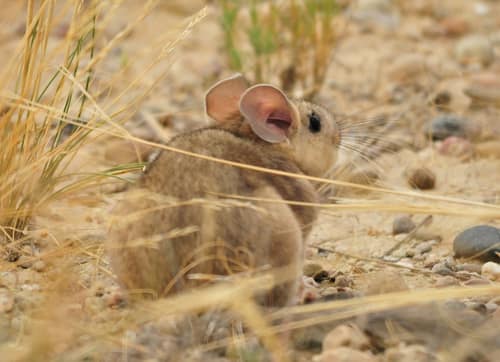
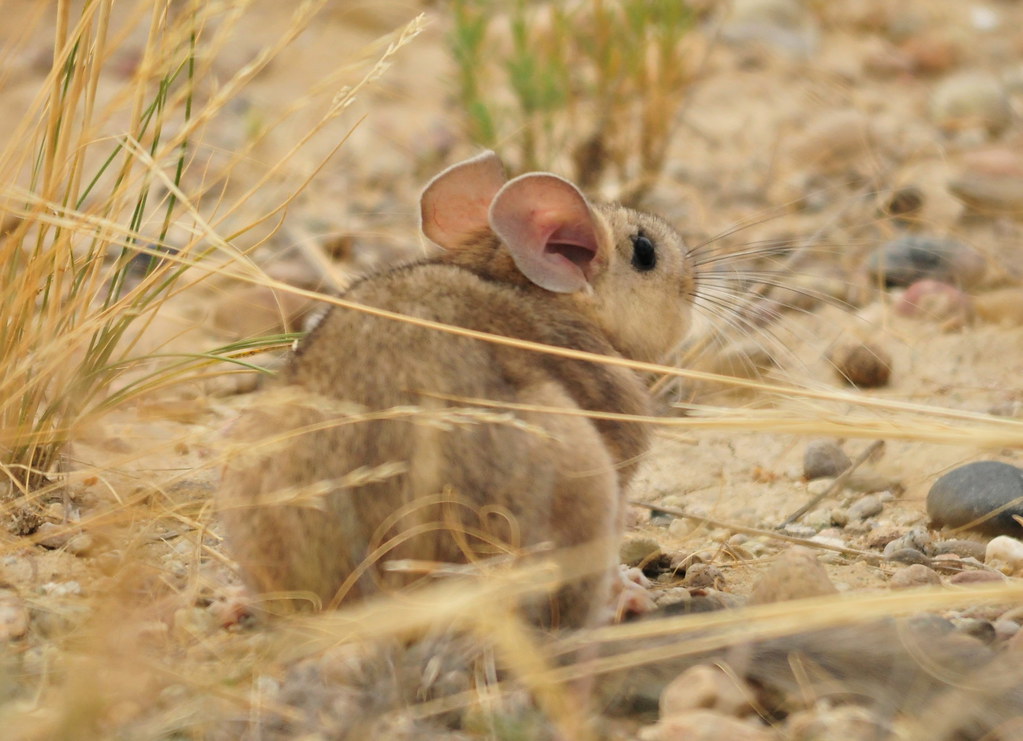
—observations
—countries
—peak records
Least ConcernConservation statusIUCN Red List categoriesLCNTVUENCREWEXLeast ConcernRed List categories, explained →
Diet & preyConifer needles, Fungi, Berries
Predators
- Coyotes
- Great Horned Owls
- Bobcats
ThreatsHabitat loss, climate change in alpine zones, and rodenticides
HabitatsRocky cliffs, talus slopes, caves, boreal forests, and abandoned buildings
Life span3 to 4 years in the wild
Classification
- FamilyCricetidae
- SpeciesNeotoma cinerea
Native
Interaction riskModerate
- Low
- Moderate
- High
- Very high
- Why interaction risk is moderate
- Can deliver a painful defensive bite and carry disease vectors; avoid handling and wear gloves around middens.
- Why it is dangerous
- Can carry hantavirus in their droppings and urine, and their nests can harbor plague-carrying fleas.
- How to recognize a risky encounter
- Distinguished from other rats by its large ears, white feet, and remarkably bushy, squirrel-like tail.
- What to do
- Do not handle live woodrats or disturb their middens without respiratory protection and gloves.
Responsible observation
- Look for middens: Search rocky crevices and caves for large, cemented piles of sticks, bones, and debris.
- Secure shiny objects: Keep keys, jewelry, and foil packed away when camping in their territory.
- Observe quietly at dusk: Use a red-light headlamp to spot them active on rocky ledges after sunset.
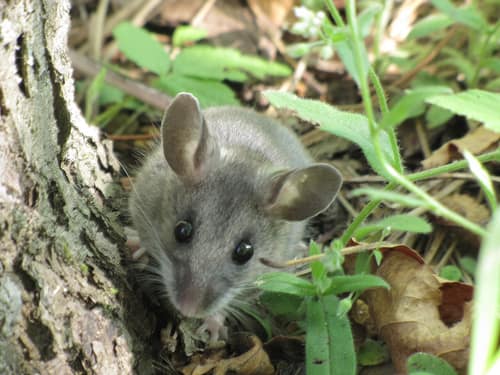
Frequent Companion Seney Natural History Association / CC BY-SA 2.0 · cc-by-sa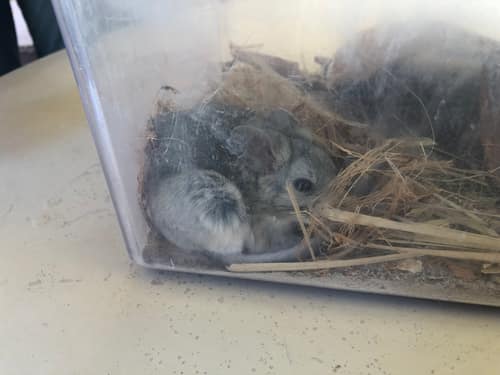
Close Relative (c) Amelia Tauber, some rights reserved (CC BY) · cc-by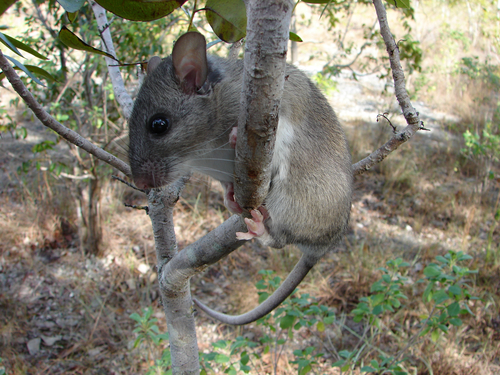
Close Relative (c) U.S. Fish and Wildlife Service Southeast Region, some rights reserved (CC BY) · cc-by
Help improve the field guideSomething wrong?
Checking your Fauna account…Report a name, category, or profile issue for review.