
Mammal
Marsh Rice Rat
Oryzomys palustrisAlso known as Rice Rat, Marsh Rat, Eastern Rice Rat
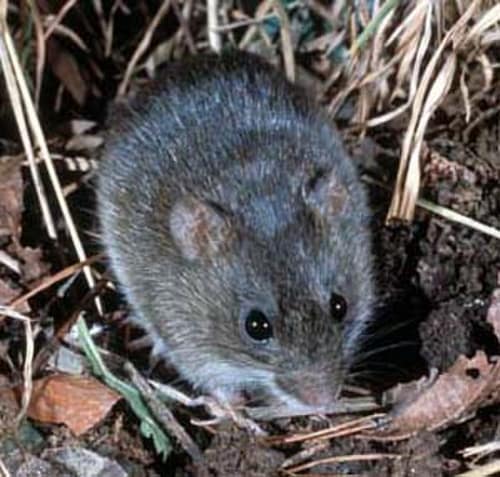
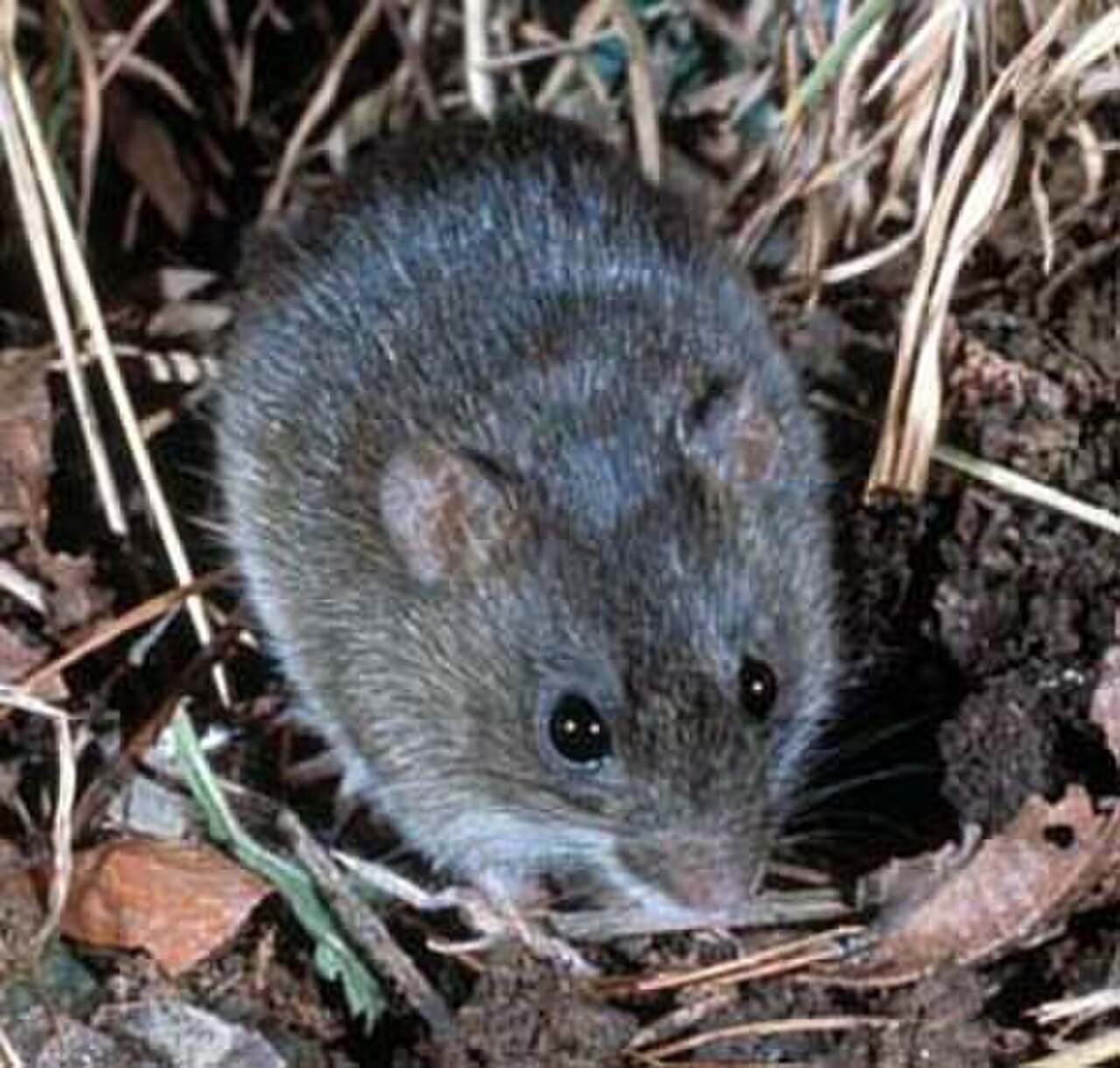
Marsh rice rats are highly skilled semiaquatic rodents that navigate the dense vegetation of coastal salt marshes and freshwater swamps with ease. They are excellent swimmers, using their specialized fringed hind feet as paddles and their long tails as rudders to forage both above and below the water surface. Active primarily at night, they construct intricate spherical nests of woven grasses suspended in marsh vegetation or tucked safely inside crab burrows.
SemiaquaticNocturnalWetland-Dwelling
—observations
—countries
—peak records
Least ConcernConservation statusIUCN Red List categoriesLCNTVUENCREWEXLeast ConcernRed List categories, explained →
Diet & preyFiddler Crabs, Insects, Marsh Grass Seeds
Predators
- Barn Owl
- Northern Harrier
- Cottonmouth
ThreatsCoastal development, wetland drainage, sea-level rise, and invasive predators
HabitatsSalt marshes, freshwater swamps, wet meadows, and coastal estuaries
Life spanLess than one year in the wild
Classification
- FamilyCricetidae
- SpeciesOryzomys palustris
Native
Interaction riskModerate
- Low
- Moderate
- High
- Very high
- Why interaction risk is moderate
- Can deliver a painful bite if handled and may carry zoonotic diseases like Bayou virus.
- Why it is dangerous
- Can carry Bayou virus, a hantavirus strain transmissible to humans through contact with saliva, urine, or droppings.
- How to recognize a risky encounter
- Look for a medium-sized, grayish-brown rodent with a long, sparsely haired tail and slightly webbed hind feet.
- What to do
- Never attempt to trap, handle, or corner these rodents, and avoid disturbing their nests in coastal areas.
Responsible observation
- Look for runways: Search for narrow, cleared paths through dense marsh grass where they travel.
- Listen at twilight: Listen for quiet rustling and high-pitched squeaks in the reeds during dusk.
- Keep your distance: Avoid handling wild rodents to prevent defensive bites and exposure to pathogens.
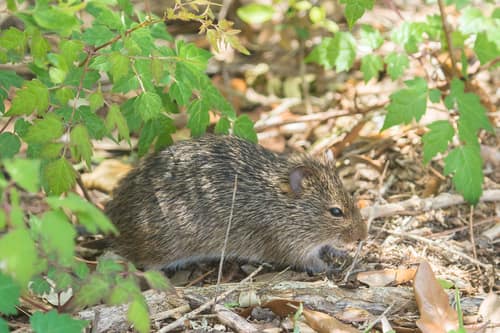
Competitor "Hispid cotton rat (Sigmodon hispidus)" by acryptozoo is licensed under CC BY 2.0. To view a copy of this license, visit https://creativecommons.org/licenses/by/2.0/. · cc-by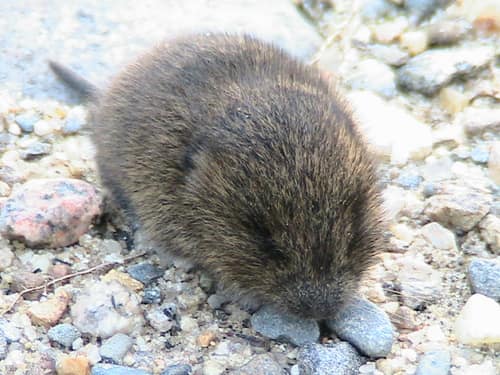
Frequent Companion Needsmoreritalin (talk) / CC BY 3.0 · cc-by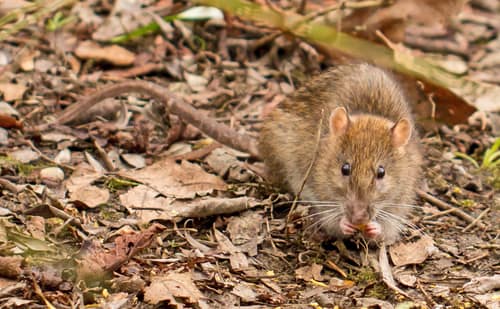
Look-alike (c) Martin Cooper, some rights reserved (CC BY) · cc-by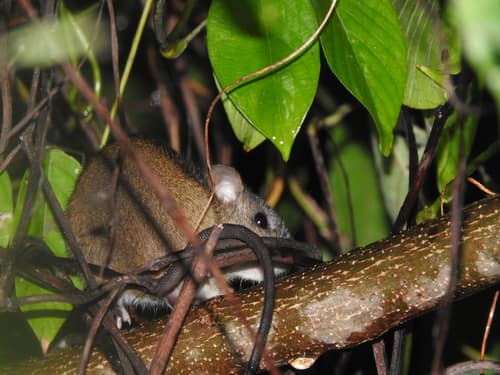
Close Relative (c) Juan Cruzado Cortés, some rights reserved (CC BY-SA), uploaded by Juan Cruzado Cortés · cc-by-sa
Help improve the field guideSomething wrong?
Checking your Fauna account…Report a name, category, or profile issue for review.