
Mammal
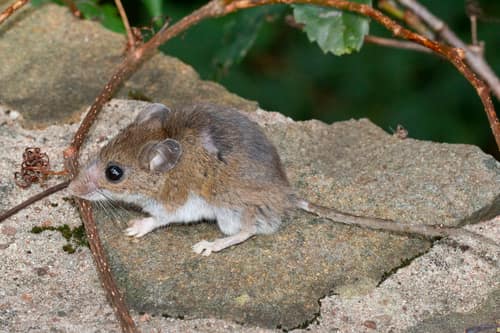
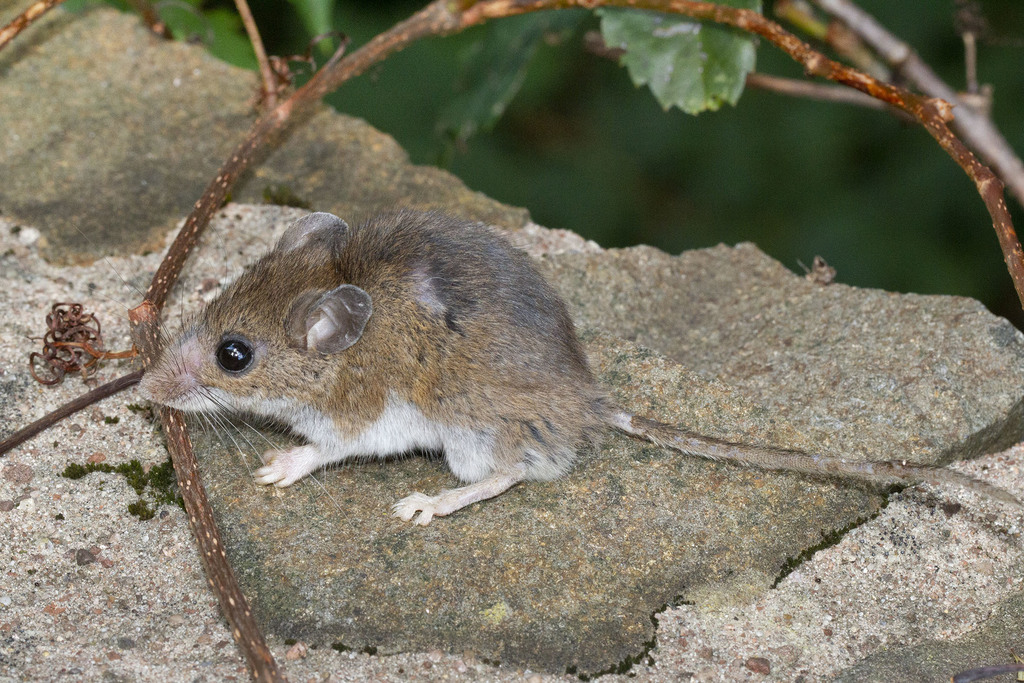
White-footed Mouse
Peromyscus leucopusAlso known as Woodmouse, White-footed Deermouse
White-footed mice are nocturnal, agile climbers that navigate forest understories and low tree branches using their long tails for balance. They build globular nests of woven leaves, bark, and shredded plant material in tree cavities, abandoned bird nests, or stone walls. As key seed dispersers and major hosts for blacklegged ticks, they play a central role in eastern North American forest ecosystems.
NocturnalAgile ClimberForest Dweller
—observations
—countries
—peak records
Least ConcernConservation statusIUCN Red List categoriesLCNTVUENCREWEXLeast ConcernRed List categories, explained →
Diet & preyTree Seeds, Insects, Berries
Predators
- Owls
- Snakes
- Red Fox
ThreatsHabitat loss, domestic cats, and rodenticide poisoning
HabitatsDeciduous forests, brushy woodlands, hedgerows, and overgrown fields
Life span1–2 years in the wild
Classification
- OrderRodentia
- FamilyCricetidae
- GenusPeromyscus
- SpeciesPeromyscus leucopus
Native
Interaction riskModerate
- Low
- Moderate
- High
- Very high
- Why interaction risk is moderate
- Primary reservoir host for Lyme disease and tick vector; avoid handling wild mice or their droppings.
- Why it is dangerous
- Serves as the primary reservoir for Lyme disease bacteria and can transmit hantavirus through dried droppings or urine.
- How to recognize a risky encounter
- Look for a reddish-brown back, sharply contrasting bright white belly and feet, and large prominent ears.
- What to do
- Avoid physical contact and wear a mask when cleaning up nesting materials or droppings in enclosed spaces.
Responsible observation
- Observation: Look for active mice along tree limbs or near woodpiles at night using a red flashlight beam.
- Sanitation: Keep food stored in airtight containers and seal house entry points to prevent indoor nesting.
- Safety: Avoid handling wild rodents or sweeping dry nesting areas without proper respiratory protection.
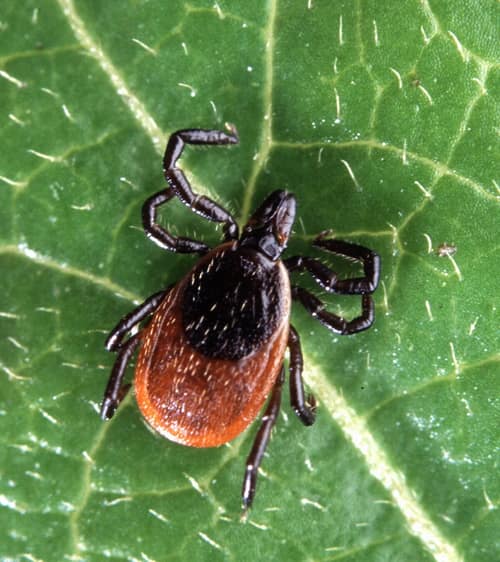
Parasite Photo by Scott Bauer. / Public domain · cc0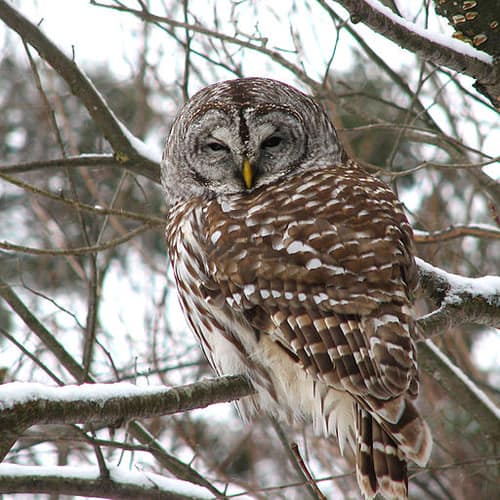
Predator U.S. Fish and Wildlife Service Headquarters / Public domain · cc0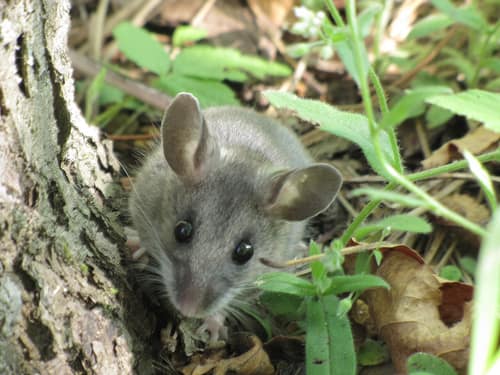
Close Relative Seney Natural History Association / CC BY-SA 2.0 · cc-by-sa
Keep collecting in Fauna
Found in Collections
Ecosystem chain Pro
Mystic Meadows
White-footed Mouse is found in this collection. Identify it in Fauna to fill this slot and continue your progress.
Unlock to track progress
Help improve the field guideSomething wrong?
Checking your Fauna account…Report a name, category, or profile issue for review.