
Mammal
Eastern Chipmunk
Tamias striatusAlso known as Chipping Squirrel, Striped Ground Squirrel
Eastern chipmunks spend their daylight hours scampering across forest floors and stone walls, foraging for seeds, nuts, and berries to carry back in their expansive cheek pouches. They dig intricate underground burrow systems featuring hidden entrance holes, brood chambers, and dedicated food storage rooms. During cold winters, individuals enter periods of torpor, waking every few days to consume cached supplies rather than hibernating continuously.
DiurnalBurrowingForest Dweller
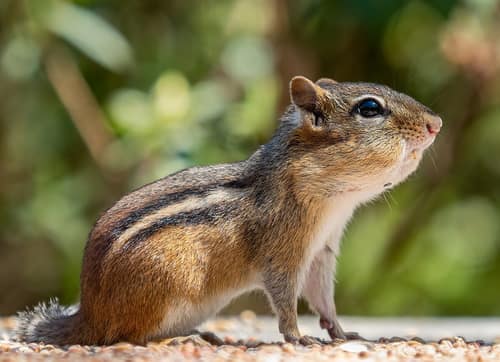
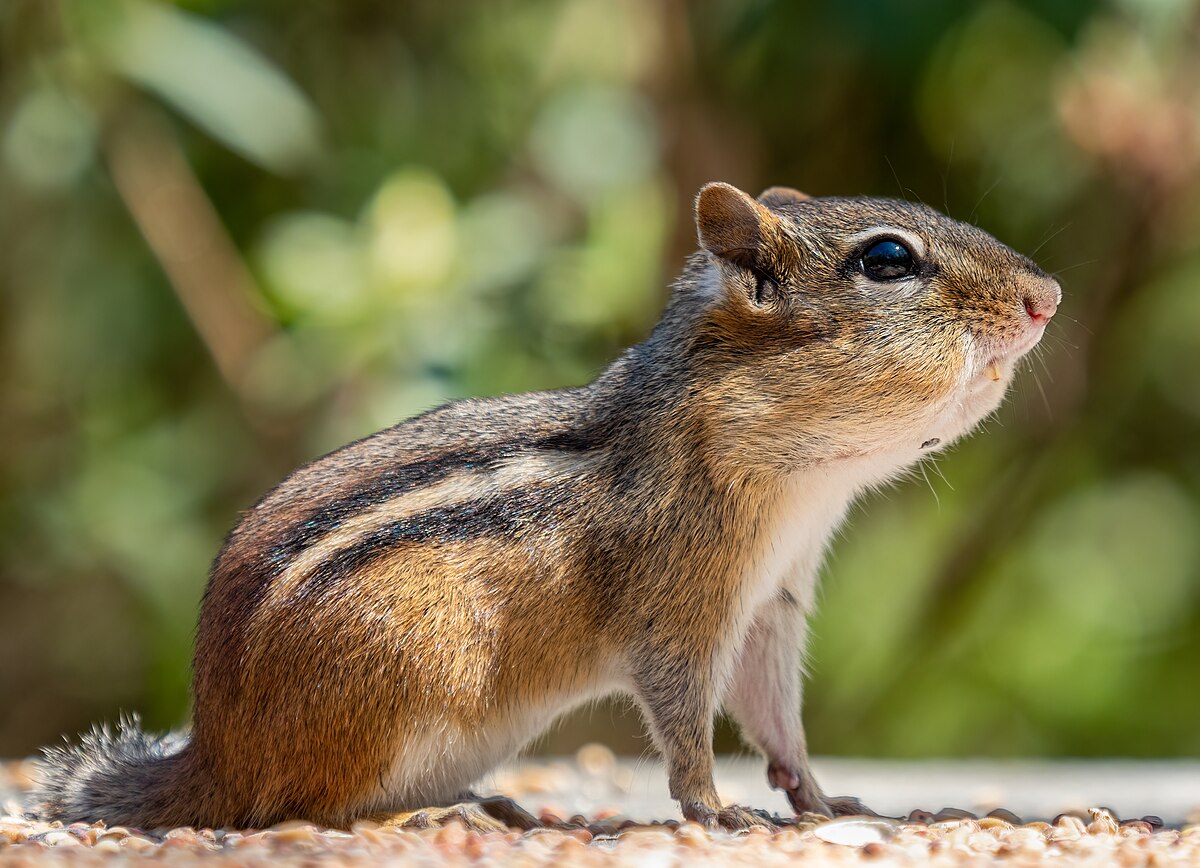
—observations
—countries
—peak records
Least ConcernConservation statusIUCN Red List categoriesLCNTVUENCREWEXLeast ConcernRed List categories, explained →
Diet & preyAcorns, Beechnuts, Insects
Predators
- Red-tailed Hawk
- Domestic Cat
- Eastern Rat Snake
ThreatsPredation by outdoor pets, habitat fragmentation, vehicle strikes
HabitatsDeciduous forests, open woodlands, forest edges, suburban gardens
Life span2–5 years
Classification
- OrderRodentia
- FamilySciuridae
- GenusTamias
- SpeciesTamias striatus
Native
Interaction riskModerate
- Low
- Moderate
- High
- Very high
- Why interaction risk is moderate
- Capable of giving a sharp defensive bite if trapped or handled; enjoy observing them from a safe distance.
Responsible observation
- Look near cover: Scan fallen logs, rock piles, and woodpiles where chipmunks prefer to forage and hide.
- Listen for vocalizations: Listen for high-pitched 'chip' or 'chuck' calls used to mark territory or sound alarms.
- Keep pets leashed: Keep domestic dogs and cats managed to avoid disturbing chipmunk burrows and foraging routes.
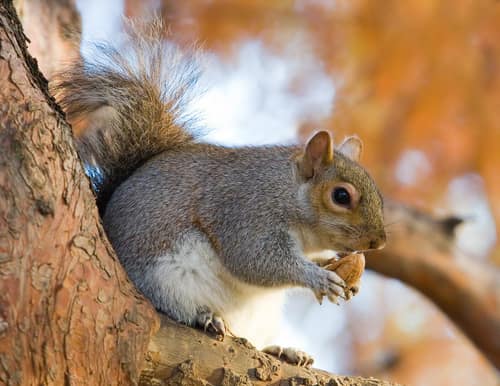
Competitor (c) Diliff, some rights reserved (CC BY-SA) · cc-by-sa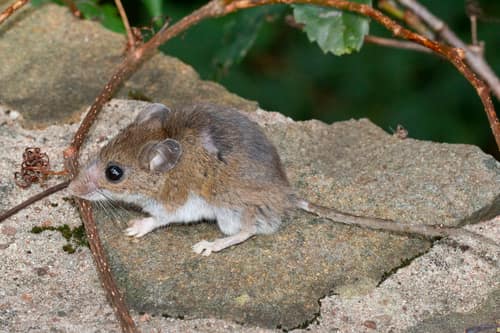
Co-occurring Rodent (c) Kristof Zyskowski, some rights reserved (CC BY), uploaded by Kristof Zyskowski · cc-by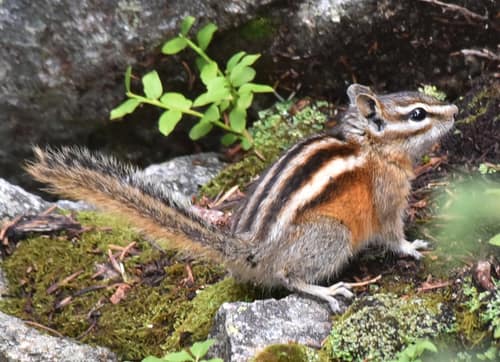
Close Relative (c) Don Loarie, some rights reserved (CC BY), uploaded by Don Loarie · cc-by
Keep collecting in Fauna
Found in Collections
Ecosystem chain Pro
Secret Garden
Eastern Chipmunk is found in this collection. Identify it in Fauna to fill this slot and continue your progress.
Unlock to track progress
Help improve the field guideSomething wrong?
Checking your Fauna account…Report a name, category, or profile issue for review.