
Mammal
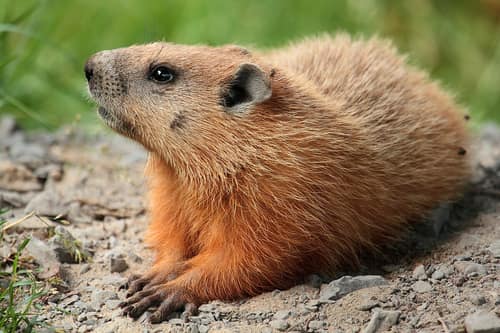
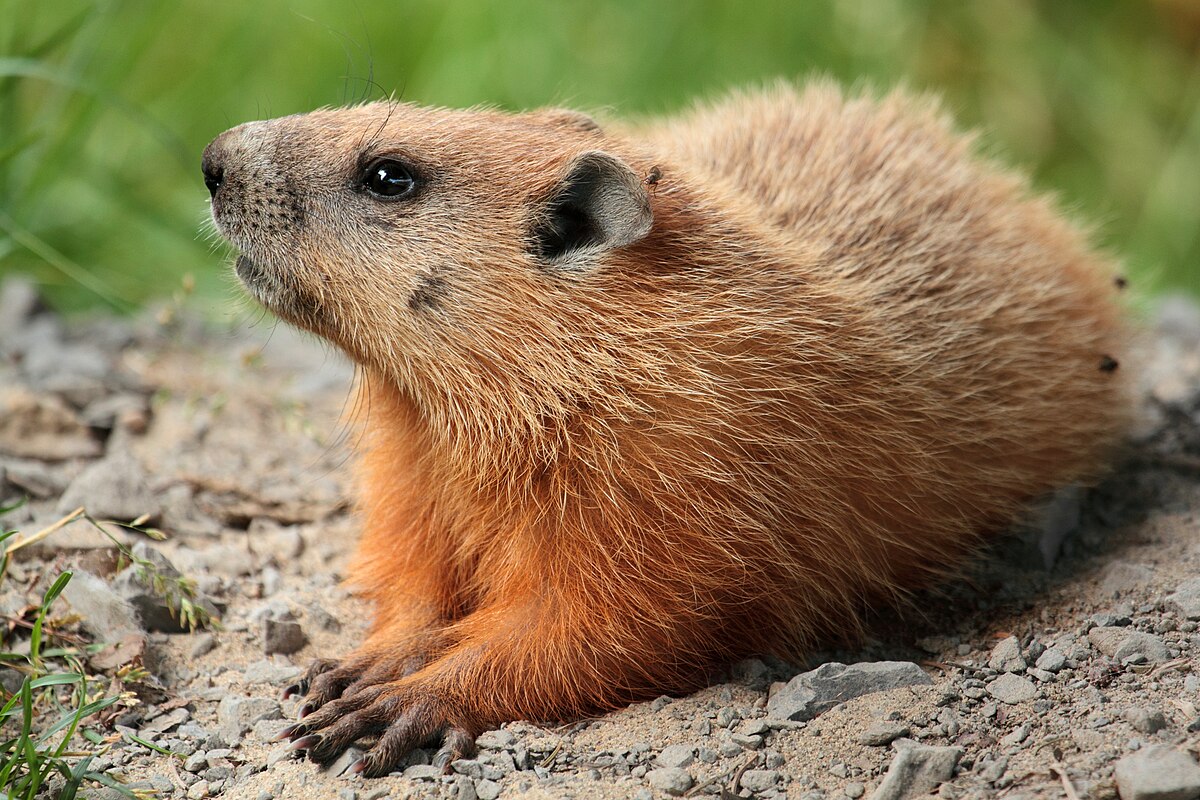
Groundhog
Marmota monaxAlso known as Woodchuck, Whistlepig, Land Beaver
Groundhogs are heavy-set ground squirrels built for digging, excavating deep burrow networks that serve as safe havens for dozens of other wildlife species. They spend summer and autumn feeding heavily on green vegetation to build thick fat reserves before entering true winter hibernation. When alarmed, they produce a sharp, high-pitched whistle that echoes across open fields to warn neighboring animals.
BurrowingDiurnalHerbivore
—observations
—countries
—peak records
Least ConcernConservation statusIUCN Red List categoriesLCNTVUENCREWEXLeast ConcernRed List categories, explained →
Diet & preyGrasses, Clover, Dandelions
Predators
- Coyote
- Red Fox
- Bobcat
ThreatsVehicle collisions, habitat fragmentation, hunting
HabitatsFields, pastures, forest edges, clearings
Life span3–6 years in the wild
Classification
- OrderRodentia
- FamilySciuridae
- GenusMarmota
- SpeciesMarmota monax
Native
Interaction riskLow
- Low
- Moderate
- High
- Very high
- Why interaction risk is low
- Capable of a painful bite if cornered; observe from a respectful distance.
Responsible observation
- Observe from Afar: Stay quiet and stationary near field edges to watch normal foraging behavior.
- Protect Gardens: Use subterranean fencing to prevent access to prized vegetables.
- Give Burrows Space: Avoid stepping near burrow entrances to prevent collapse or defensive encounters.
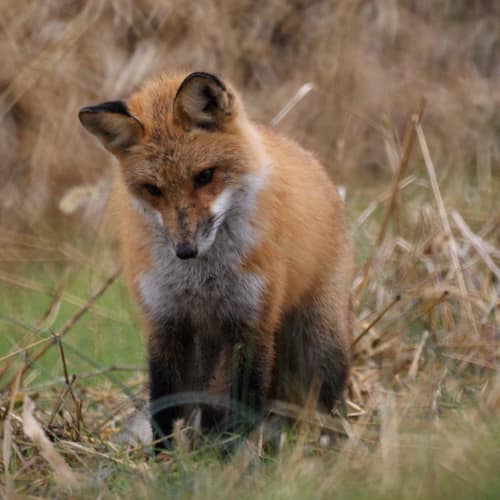
Predator "Red Fox" by Mike's Birds is licensed under CC BY-SA 2.0. To view a copy of this license, visit https://creativecommons.org/licenses/by-sa/2.0/. · cc-by-sa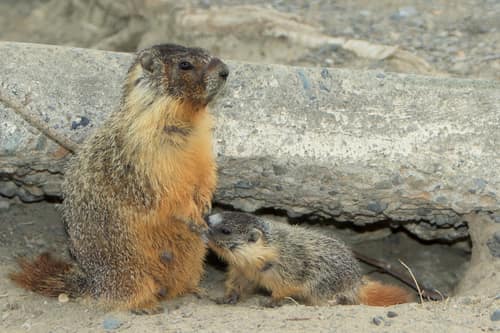
Close Relative (c) Alan Vernon, some rights reserved (CC BY) · cc-by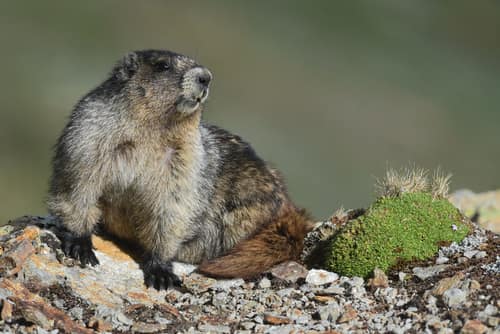
Close Relative no rights reserved, uploaded by Braden J. Judson · cc0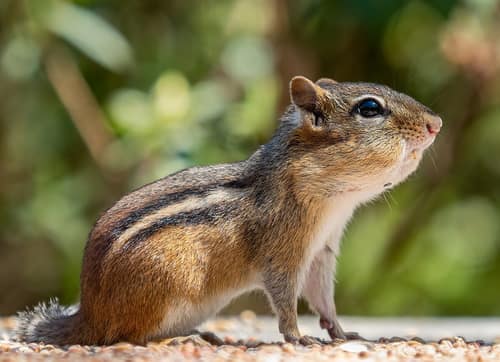
Family Member Rhododendrites / CC BY-SA 4.0 · cc-by-sa
Keep collecting in Fauna
Found in Collections
Ecosystem chain Pro
Alpine Heights
Groundhog is found in this collection. Identify it in Fauna to fill this slot and continue your progress.
Unlock to track progress
Help improve the field guideSomething wrong?
Checking your Fauna account…Report a name, category, or profile issue for review.