
Mammal
Douglas's Squirrel
Tamiasciurus douglasiiAlso known as Chickaree, Pine Squirrel
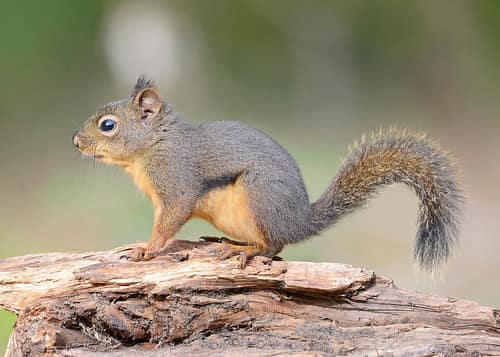
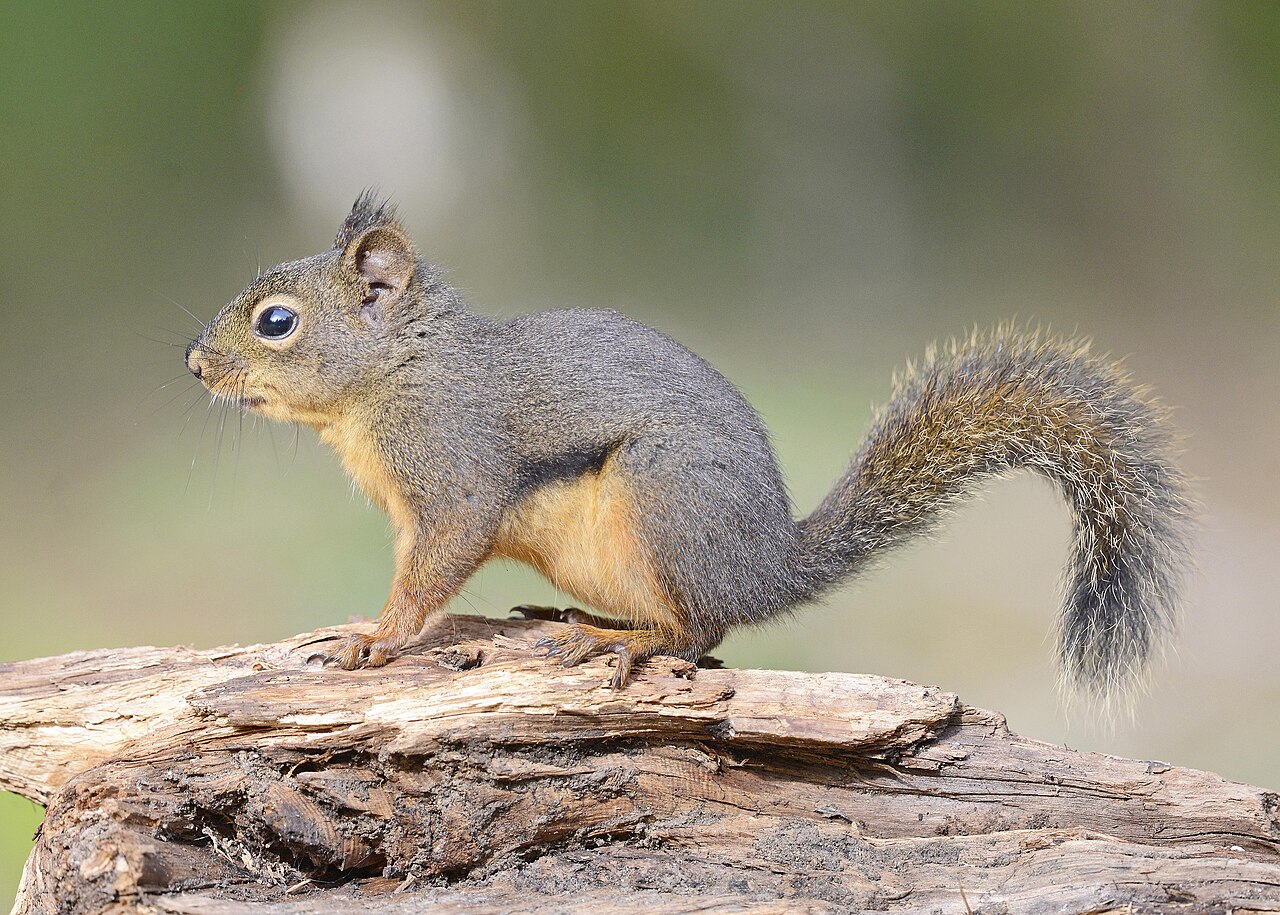
Douglas's squirrels are energetic, territorial tree squirrels that dominate the canopy of western North America's coniferous forests. They cut down green pine and fir cones in late summer, caching thousands in damp underground larders known as middens to survive winter. Their sharp, trilling alarm calls echoing through the high branches earn them the noisy reputation of the chickaree.
ArborealVocalDiurnal
—observations
—countries
—peak records
Least ConcernConservation statusIUCN Red List categoriesLCNTVUENCREWEXLeast ConcernRed List categories, explained →
Diet & preyConifer Seeds, Tree Fungi, Tree Sap
Predators
- Pacific Marten
- Northern Goshawk
- Bobcat
ThreatsDeforestation, severe wildfire, climate-driven forest loss
HabitatsDense coniferous and mixed evergreen forests
Life span5–7 years in the wild
Classification
- OrderRodentia
- FamilySciuridae
- GenusTamiasciurus
- SpeciesTamiasciurus douglasii
Native
Interaction riskLow
- Low
- Moderate
- High
- Very high
- Why interaction risk is low
- Capable of a sharp bite if cornered or handled; observe from a safe distance.
Responsible observation
- Listen for Calls: Track their distinctive loud trills and scolding chatter to spot them high in the canopy.
- Midden Awareness: Look for massive piles of discarded cone scales at tree bases marking active territories.
- Give Space: Keep back from active caches so feeding squirrels do not drop their harvest in defense.
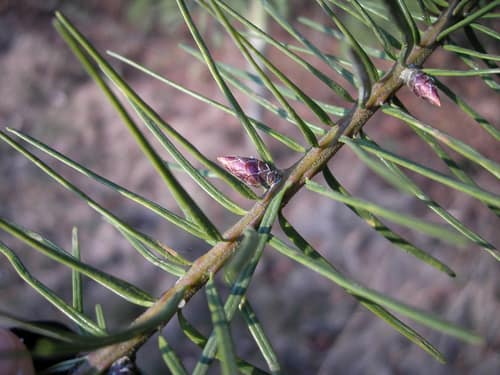
Primary Food Source (c) Danny Steaven, some rights reserved (CC BY-SA) · cc-by-sa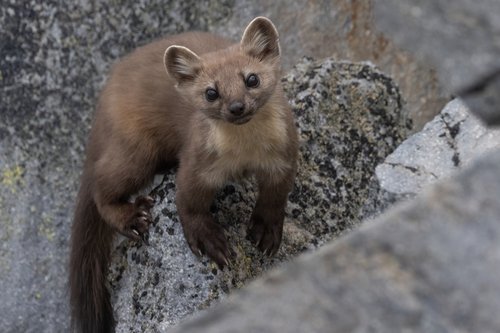
Predator (c) Sam Eberhard, some rights reserved (CC BY), uploaded by Sam Eberhard · cc-by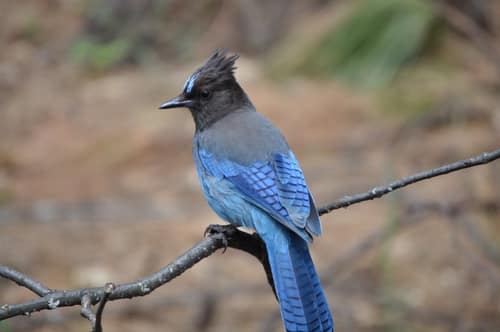
Competitor no rights reserved, uploaded by Zoltán Stekkelpak · cc0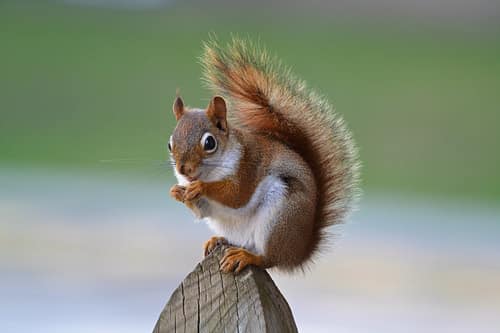
Close Relative (c) DaPuglet, some rights reserved (CC BY-SA) · cc-by-sa
Keep collecting in Fauna
Found in Collections
Species set
Urban Dwellers
Douglas's Squirrel is found in this collection. Identify it in Fauna to fill this slot and continue your progress.
—/7
Help improve the field guideSomething wrong?
Checking your Fauna account…Report a name, category, or profile issue for review.