
Mammal
Eastern Cottontail
Sylvilagus floridanusAlso known as Florida Cottontail, Eastern Rabbit
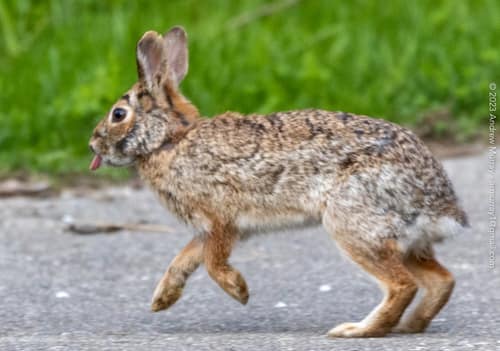
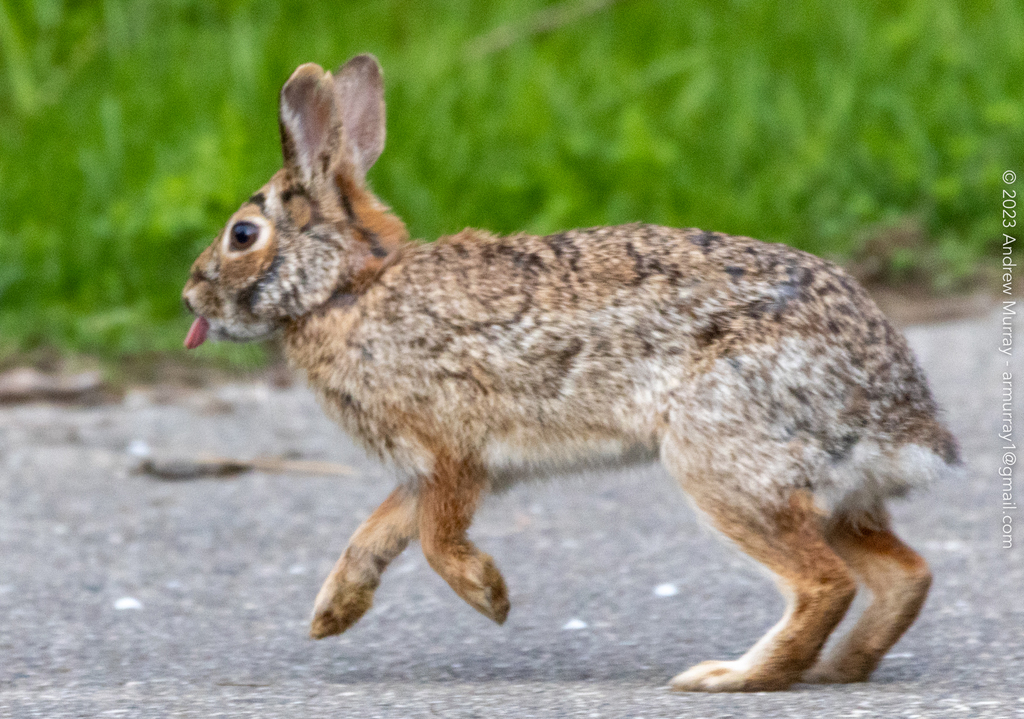
Eastern cottontails are highly adaptable lagomorphs recognizable by their brownish-grey coats and conspicuous white tail undersides that flash like cotton balls when fleeing. Active primarily at dawn and dusk, they construct shallow ground nests called forms under dense brush or tall grass to raise several litters each year. Their keen hearing and powerful hind legs allow them to burst into zig-zagging sprints to evade a wide variety of predators.
CrepuscularHerbivoreMammal
—observations
—countries
—peak records
Least ConcernConservation statusIUCN Red List categoriesLCNTVUENCREWEXLeast ConcernRed List categories, explained →
Diet & preyGrasses, Clover, Tree bark
Predators
- Coyote
- Red-tailed Hawk
- Red Fox
ThreatsPredation, habitat loss, vehicle strikes, and outdoor domestic pets
HabitatsFields, meadows, brushy edges, open woodlands, suburban yards, and parks
Life span1–3 years in the wild
Classification
- OrderLagomorpha
- FamilyLeporidae
- GenusSylvilagus
- SpeciesSylvilagus floridanus
Native
Interaction riskModerate
- Low
- Moderate
- High
- Very high
- Why interaction risk is moderate
- Capable of scratching or biting if cornered, and may carry ticks or tularemia; observe quietly from a safe distance.
Responsible observation
- Observation Distance: Maintain a respectful buffer of several meters to avoid causing stress or triggering a rapid flee response.
- Nesting Precautions: Check tall lawn grass before mowing in spring, as shallow nests are easily hidden in vegetation.
- Pet Safety: Keep domestic dogs on a leash, as wild rabbits can transmit fleas or become injured during chases.
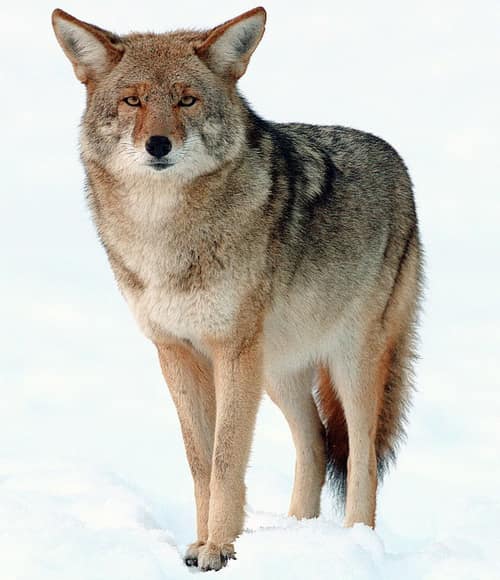
Predator Yathin S Krishnappa / CC BY-SA 3.0 · cc-by-sa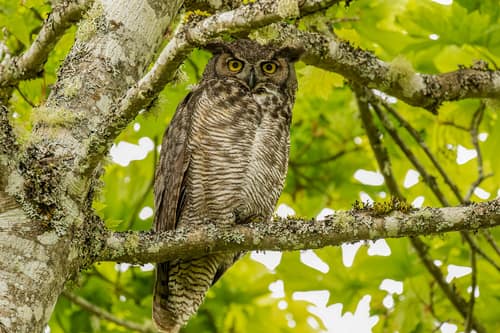
Predator "Great Horned Owl, the first I've seen in decent light this year. Didn't want to disturb it for too long so we continued along the trail" by island deborah- is licensed under CC BY-SA 2.0. To view a copy of this license, visit https://creativecommons.org/licenses/by-sa/2.0/. · cc-by-sa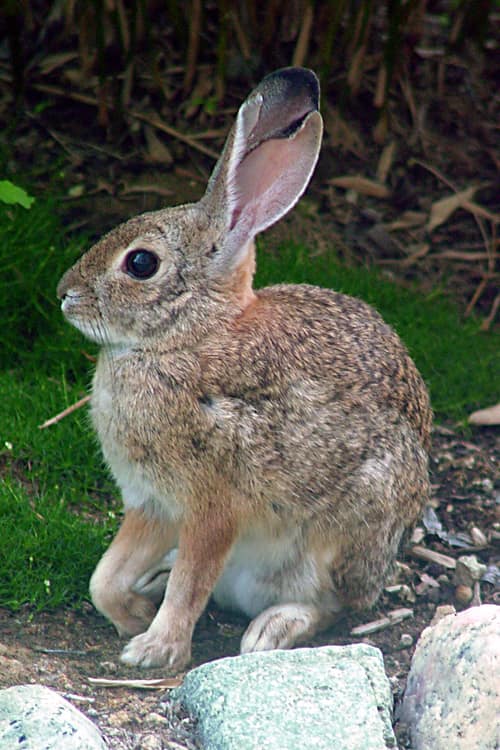
Close Relative Holly Cheng / CC BY-SA 3.0 · cc-by-sa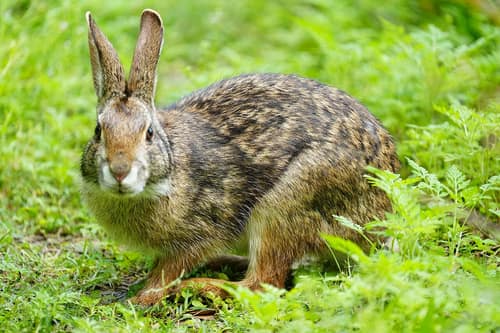
Close Relative Brandon Johnson / CC BY 4.0 · cc-by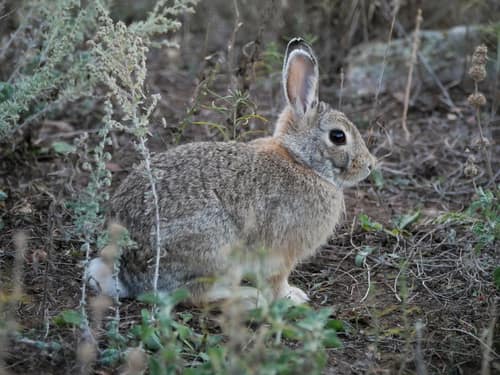
Close Relative (c) ayden, some rights reserved (CC BY), uploaded by ayden · cc-by
Keep collecting in Fauna
Found in Collections
Ecosystem chain Pro
Mystic Meadows
Eastern Cottontail is found in this collection. Identify it in Fauna to fill this slot and continue your progress.
Unlock to track progress
Help improve the field guideSomething wrong?
Checking your Fauna account…Report a name, category, or profile issue for review.