
Mammal
Snowshoe Hare
Lepus americanusAlso known as Varying Hare, Snowshoe Rabbit
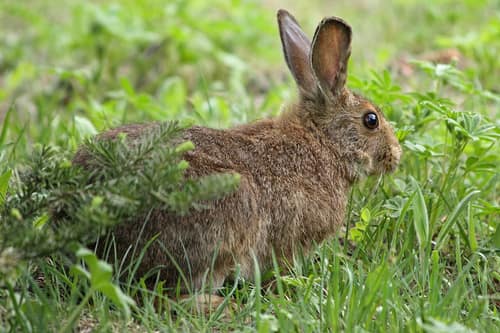
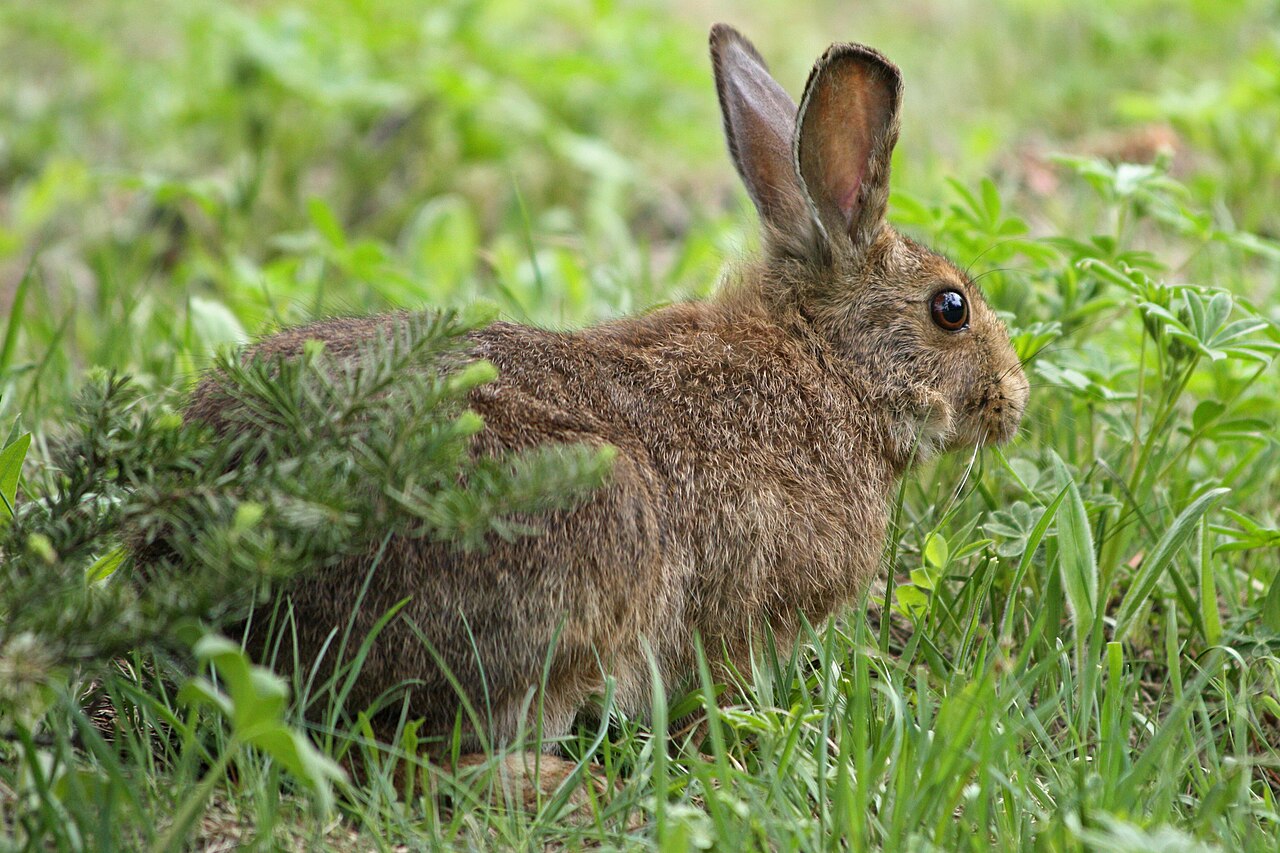
Snowshoe hares undergo a dramatic seasonal coat change, molting from rusty brown in summer to pure white in winter to blend into snowy environments. Their oversized, heavily furred hind feet act like snowshoes, allowing them to glide over deep snowdrifts while fleeing predators. They drive ten-year population cycles across northern forests, directly dictating the abundance of local carnivore populations.
MammalCamouflagedBoreal
—observations
—countries
—peak records
Least ConcernConservation statusIUCN Red List categoriesLCNTVUENCREWEXLeast ConcernRed List categories, explained →
Diet & preyTree bark and twigs, Grasses and foliage, Conifer needles
Predators
- Canada Lynx
- Great Horned Owl
- Coyote
ThreatsClimate change, habitat fragmentation, predation
HabitatsBoreal forest, montane coniferous woods, dense brush
Life span1–5 years
Classification
- OrderLagomorpha
- FamilyLeporidae
- GenusLepus
- SpeciesLepus americanus
Native
Interaction riskLow
- Low
- Moderate
- High
- Very high
- Why interaction risk is low
- Safe to observe at a normal distance.
Responsible observation
- Spotting: Look for distinct tracks with oversized hind foot marks in winter snow.
- Behavior: Observe quietly from a distance, as hares freeze in place when threatened.
- Timing: Search dense thickets and brush edges around dusk or dawn when activity peaks.
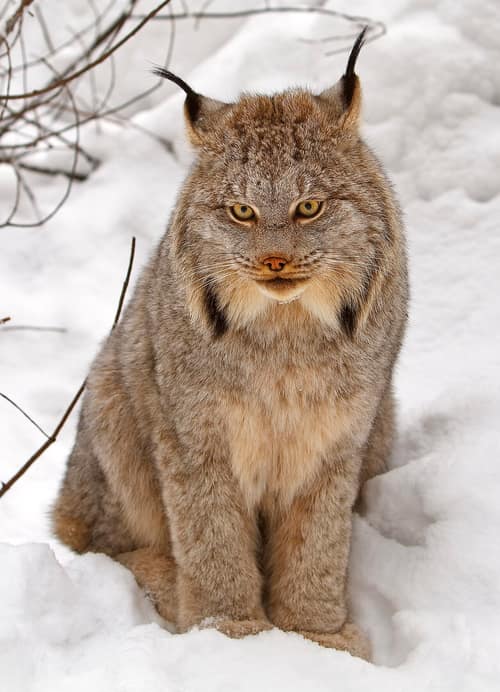
Predator Michael Zahra / CC BY-SA 3.0 · cc-by-sa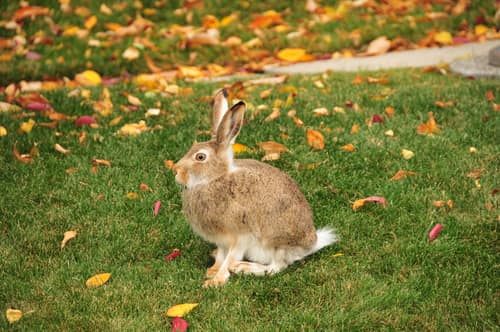
Close Relative (c) TheIguana, some rights reserved (CC BY-SA) · cc-by-sa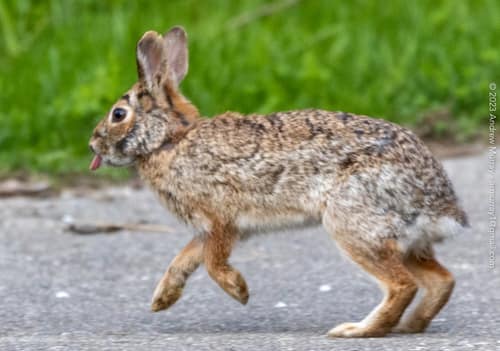
Family Relative (c) Andrew Murray, some rights reserved (CC BY), uploaded by Andrew Murray · cc-by
Keep collecting in Fauna
Found in Collections
Ecosystem chain Pro
Mystic Meadows
Snowshoe Hare is found in this collection. Identify it in Fauna to fill this slot and continue your progress.
Unlock to track progress
Help improve the field guideSomething wrong?
Checking your Fauna account…Report a name, category, or profile issue for review.