
Mammal
Black-capped Squirrel Monkey
Saimiri boliviensisAlso known as Bolivian Squirrel Monkey
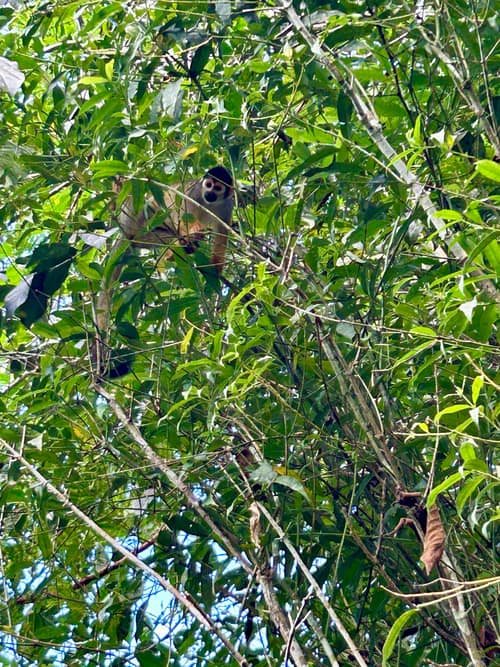
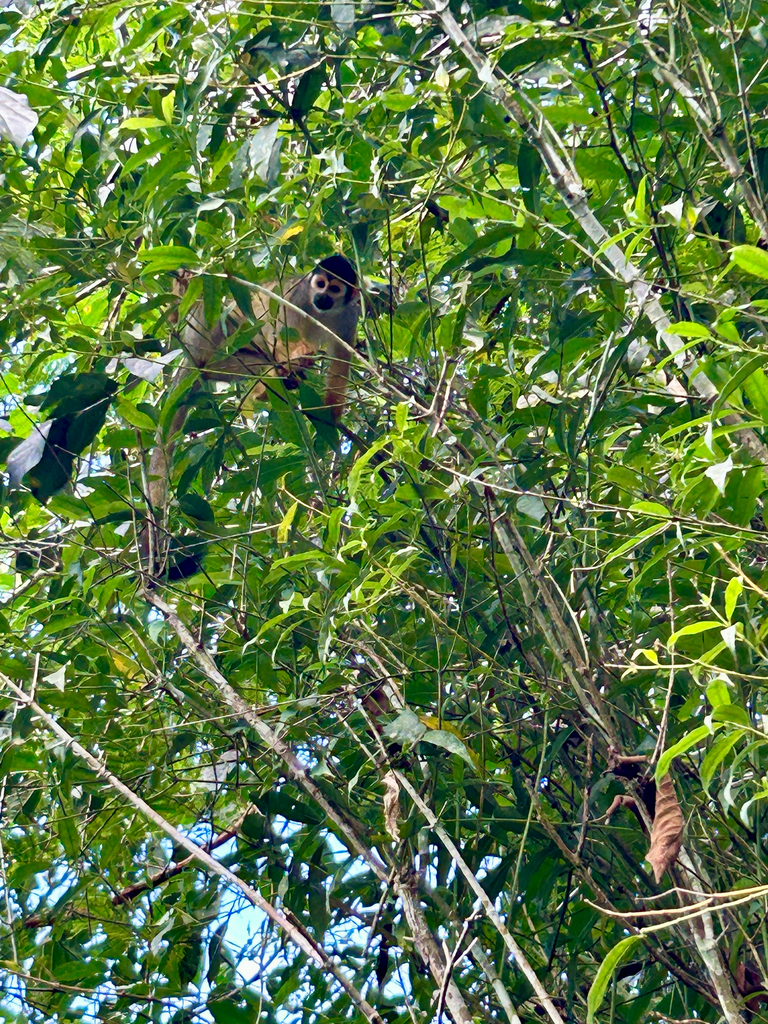
Agile canopy acrobats, black-capped squirrel monkeys leap gracefully through mid-level rainforest foliage using their long, non-prehensile tails purely for dynamic balance. Troops maintain intricate female dominance hierarchies where related matrilines defend rich fruit groves and collectively expel maturing males. High-pitched birdlike chirps, twitters, and visual displays coordinate group movement across home ranges while keeping a vigilant watch for raptors.
ArborealDiurnalSocial
—observations
—countries
—peak records
Least ConcernConservation statusIUCN Red List categoriesLCNTVUENCREWEXLeast ConcernRed List categories, explained →
Diet & preyKatydids, Figs, Tree Frogs
Predators
- Harpy Eagle
- Ocelot
- Boa Constrictor
ThreatsHabitat fragmentation, deforestation, and illegal wildlife trafficking
HabitatsTropical lowland rainforest, seasonally flooded forest, and secondary woodland
Life span15–20 years in the wild
Classification
- FamilyCebidae
- SpeciesSaimiri boliviensis
Native
Interaction riskLow
- Low
- Moderate
- High
- Very high
- Why interaction risk is low
- Can deliver sharp defensive bites if grabbed; observe foraging troops peacefully from ground level.
- Why it is dangerous
- Equipped with sharp canine teeth capable of inflicting painful lacerations and introducing bacterial pathogens if handled.
- How to recognize a risky encounter
- Recognize by the distinctly dark crown, bright white eye arches, and golden-yellow forearms.
- What to do
- Do not corner or attempt to handle wild monkeys; step back slowly if an individual approaches.
Responsible observation
- Spotting Strategy: Scan the middle canopy for rapid shaking of thin branches and listen for chirping vocalizations.
- Viewing Distance: Maintain at least 5 to 10 meters of space to avoid agitating resting mothers and young.
- Feeding Etiquette: Never offer food, as habituation promotes aggression and disease transmission.
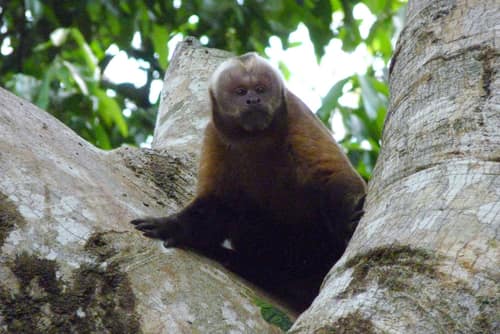
Frequent Companion (c) Carine06, some rights reserved (CC BY-SA) · cc-by-sa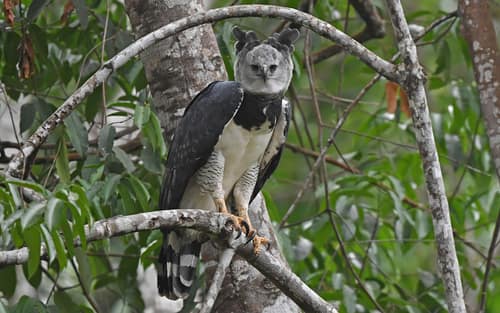
Predator (c) Christoph Moning, some rights reserved (CC BY), uploaded by Christoph Moning · cc-by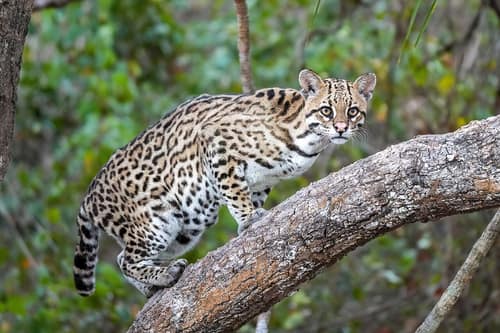
Predator Giles Laurent / CC BY-SA 4.0 · cc-by-sa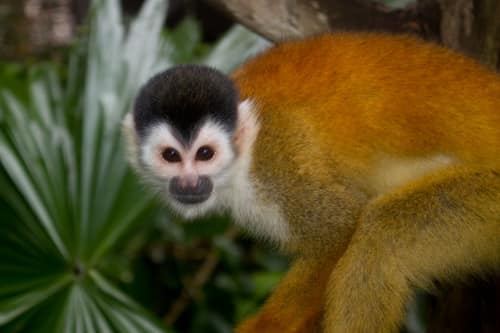
Close Relative "Common Squirrel Monkey (Saimiri sciureus)" by brian.gratwicke is licensed under CC BY 2.0. To view a copy of this license, visit https://creativecommons.org/licenses/by/2.0/. · cc-by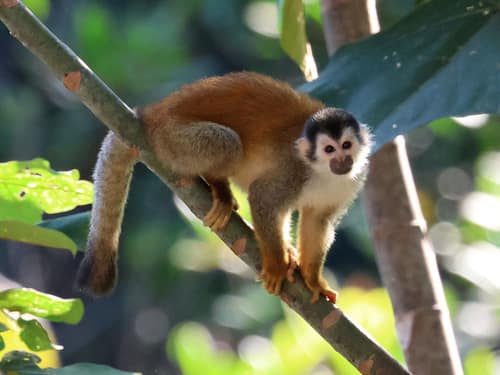
Close Relative (c) Daniel Ghyselinck, some rights reserved (CC BY), uploaded by Daniel Ghyselinck · cc-by
Help improve the field guideSomething wrong?
Checking your Fauna account…Report a name, category, or profile issue for review.