
Mammal
Guianan Squirrel Monkey
Saimiri sciureusAlso known as Common Squirrel Monkey, South American Squirrel Monkey
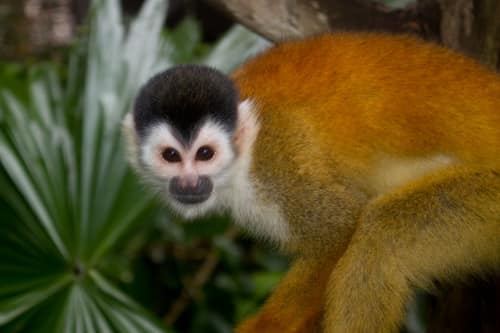
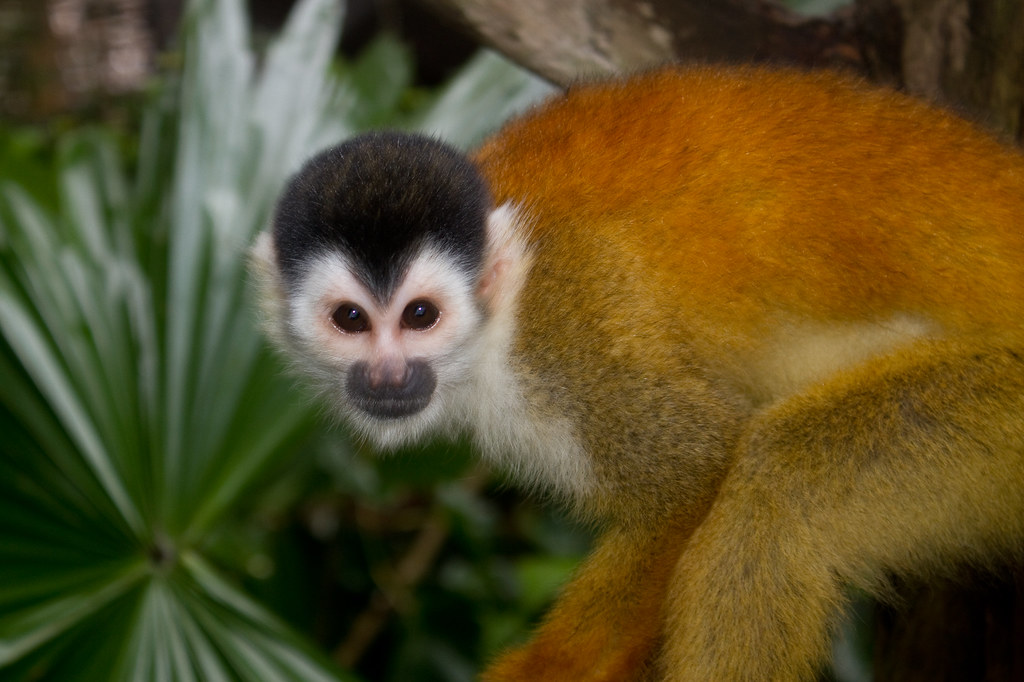
Guianan squirrel monkeys travel through the forest canopy in noisy, cohesive troops numbering anywhere from twenty to over fifty individuals. Females dominate the social hierarchy, remaining in their natal groups for life while adult males integrate primarily during the breeding season. Their long, non-prehensile tails serve strictly as balancing poles as they leap rapidly through secondary growth and riverine vegetation in search of fruit and insects.
ArborealDiurnalSocial
—observations
—countries
—peak records
Least ConcernConservation statusIUCN Red List categoriesLCNTVUENCREWEXLeast ConcernRed List categories, explained →
Diet & preyCaterpillars, Grasshoppers, Spiders
Predators
- Harpy eagle
- Ocelot
- Boa constrictor
ThreatsHabitat fragmentation from logging and agriculture, alongside capture for the illegal pet trade
HabitatsLowland tropical rainforests, gallery forests, mangrove edges, and secondary growth
Life span15–20 years in the wild (up to 25 years in captivity)
Classification
- OrderPrimates
- FamilyCebidae
- GenusSaimiri
- SpeciesSaimiri sciureus
Native
Interaction riskLow
- Low
- Moderate
- High
- Very high
- Why interaction risk is low
- Capable of delivering a sharp defensive bite if cornered; observe quietly from ground level.
- Why it is dangerous
- Possesses sharp canine teeth and can transmit zoonotic pathogens through defensive bites or scratches.
- How to recognize a risky encounter
- Easily identified by a white mask around dark eyes, pinkish muzzle, and olive-grey agouti coat.
- What to do
- Do not attempt to touch, corner, or feed wild primates; back away slowly if an individual approaches.
Responsible observation
- Distance: Maintain a distance of at least 8 to 10 meters and never attempt to hand-feed troops.
- Binoculars: Scan middle-canopy fruit trees and riverbanks where troops concentrate their daytime foraging.
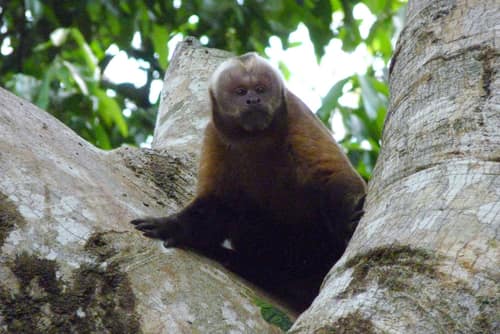
Frequent Companion (c) Carine06, some rights reserved (CC BY-SA) · cc-by-sa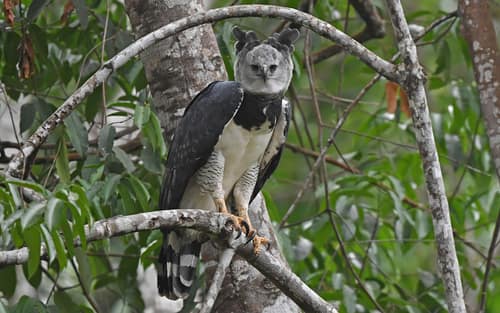
Predator (c) Christoph Moning, some rights reserved (CC BY), uploaded by Christoph Moning · cc-by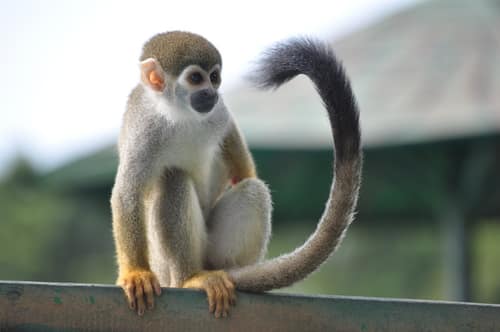
Close Relative Edmundo Mascarenhas de Andrade Filho / CC BY-SA 4.0 · cc-by-sa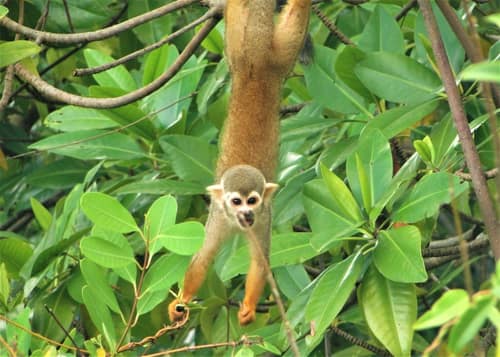
Close Relative (c) Carlos Otávio Gussoni, some rights reserved (CC BY), uploaded by Carlos Otávio Gussoni · cc-by
Keep collecting in Fauna
Found in Collections
Species set Pro
Emerald Kingdom
Guianan Squirrel Monkey is found in this collection. Identify it in Fauna to fill this slot and continue your progress.
Unlock to track progress
Help improve the field guideSomething wrong?
Checking your Fauna account…Report a name, category, or profile issue for review.