
Mammal
Forest Elephant
Loxodonta cyclotisAlso known as African Forest Elephant
African forest elephants act as crucial megaherbivore engineers across the Congo Basin, shaping canopy architecture by clearing paths and dispersing large rainforest seeds. Their straight, downward-pointing tusks enable them to maneuver through dense brush while digging for soil minerals and stripping nutrient-rich tree bark. Herds rely on deep, low-frequency infrasound rumbles that travel kilometers through humid forest air to keep in touch.
HerbivoreForest DwellerKeystone Species
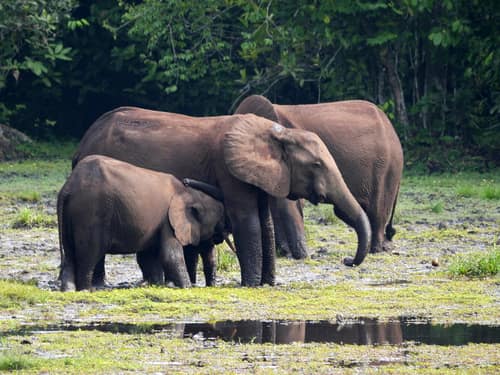
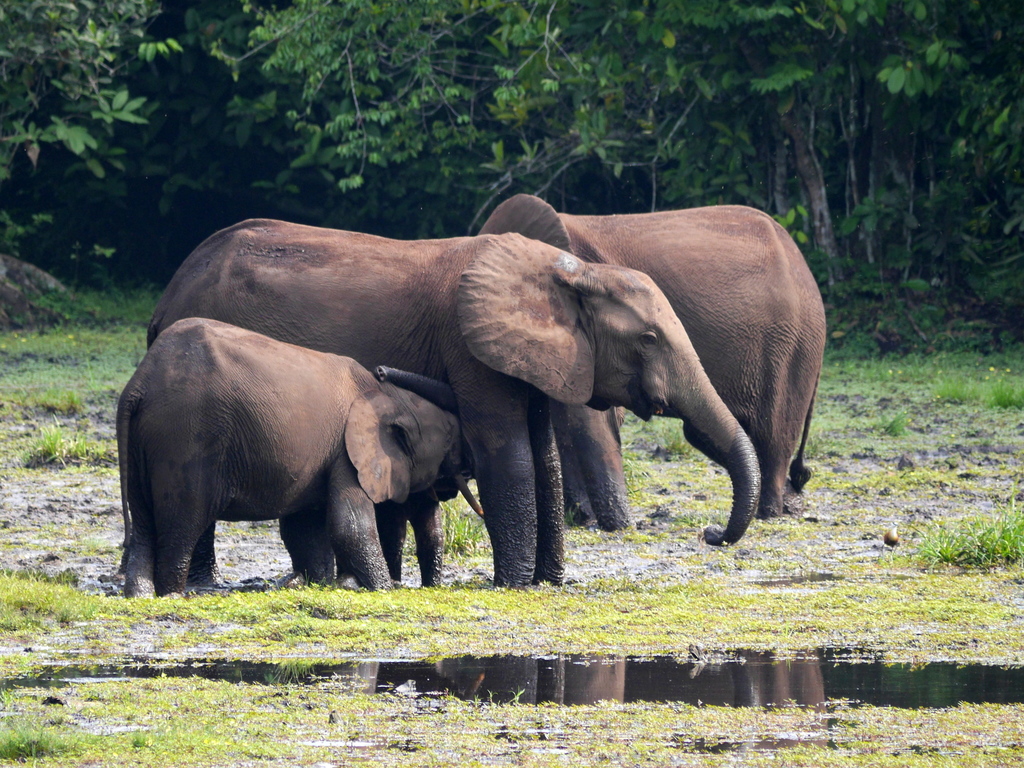
—observations
—countries
—peak records
Critically EndangeredConservation statusIUCN Red List categoriesLCNTVUENCREWEXCritically EndangeredRed List categories, explained →
Diet & preyRainforest fruit, Tree bark, Tropical foliage
Predators
- Leopard
- Human
ThreatsPoaching for ivory, habitat fragmentation, human-wildlife conflict
HabitatsDense tropical rainforests, swamp forests, forest clearings
Life span60–70 years
Classification
- FamilyElephantidae
- SpeciesLoxodonta cyclotis
Native
Interaction riskHigh
- Low
- Moderate
- High
- Very high
- Why interaction risk is high
- Immense and powerful animal capable of defensive charges; observe only at a safe distance with experienced guides.
- Why it is dangerous
- Immense physical size and strength create severe trampling and goring hazards if a herd feels cornered or stressed.
- How to recognize a risky encounter
- Look for rounded ears, dark grey hide, and long, straight, downward-pointing tusks in dense forest clearings.
- What to do
- Never approach on foot, and immediately retreat in a quiet, orderly manner if elephants display agitation.
- What to notice
- Recognized by compact forest stature, oval ears, and distinctive straight tusks with a hard, dense ivory structure.
- Support conservation
- Avoid posting real-time GPS coordinates or detailed location data of live sightings to shield herds from poachers.
Responsible observation
- Stay Guided: Explore forest glades and clearings only alongside trained national park rangers and local trackers.
- Maintain Buffer: Keep a generous distance from feeding groups, particularly mothers with young calves.
- Observe Warnings: Silence, raised trunks, or sudden ear spreading indicate that an elephant is on high alert.
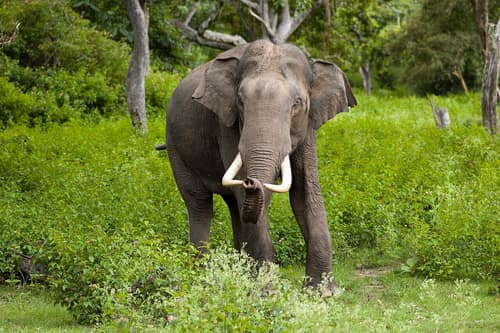
Distant Kin Yathin S Krishnappa / CC BY-SA 3.0 · cc-by-sa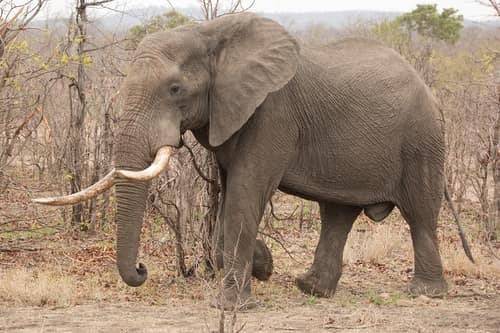
Close Relative (c) dhfischer, some rights reserved (CC BY), uploaded by dhfischer · cc-by
Help improve the field guideSomething wrong?
Checking your Fauna account…Report a name, category, or profile issue for review.