
Mammal
Molina's Hog-nosed Skunk
Conepatus chingaAlso known as Andes Skunk, South American Hog-nosed Skunk, Chinga
Molina's hog-nosed skunks are solitary nocturnal foragers that use their broad, hairless snouts and elongated front claws to root out subterranean invertebrates across the grasslands and scrub of southern South America. When threatened, they perform an escalating defensive display consisting of foot stamping, hissing, and raising the tail before discharging an intense, thiol-laden anal spray up to several meters. Dens are excavated among rock crevices, burrows abandoned by armadillos, or beneath hollow logs, where mothers raise litters of two to five kits each spring.
NocturnalBurrowingCarnivore
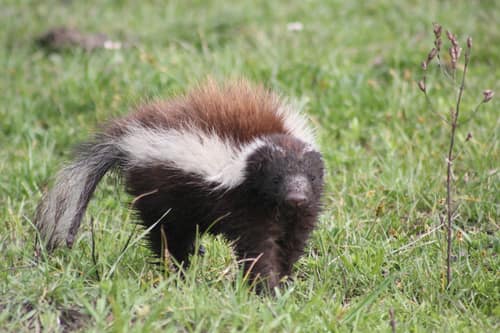
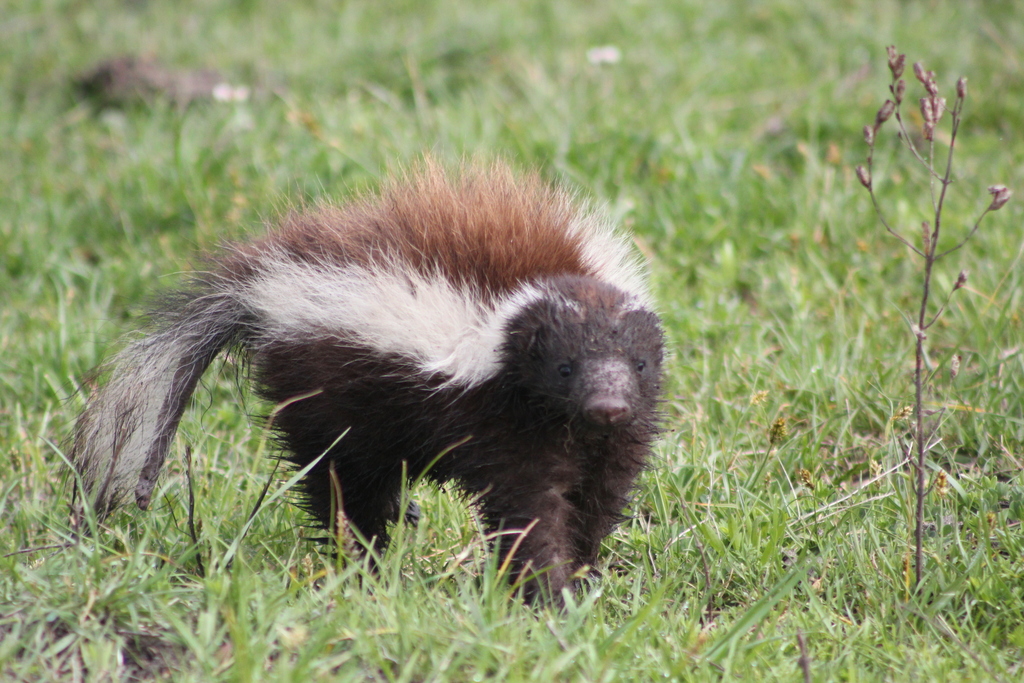
—observations
—countries
—peak records
Least ConcernConservation statusIUCN Red List categoriesLCNTVUENCREWEXLeast ConcernRed List categories, explained →
Diet & preyScarab Beetles, Earthworms, Grasshoppers
Predators
- Culpeo
- Puma
- Black-chested Buzzard-Eagle
ThreatsVehicle collisions, habitat conversion to agriculture, hunting for pelts, and domestic dog attacks
HabitatsGrasslands, scrublands, pampas, dry forests, and montane steppes up to 5,000 meters elevation
Life span6–10 years
Classification
- FamilyMephitidae
- SpeciesConepatus chinga
Native
Interaction riskModerate
- Low
- Moderate
- High
- Very high
- Why interaction risk is moderate
- Can spray noxious musk, bite if cornered, and potentially carry rabies; observe from a respectful distance.
- Why it is dangerous
- Discharges foul sulfurous secretions causing severe nausea and eye burning, and can transmit the rabies virus via defensive bites.
- How to recognize a risky encounter
- Recognized by a stout body, mostly black coat with two wide white dorsal stripes, a bushy tail, and an unpigmented pig-like snout.
- What to do
- Stop moving if the skunk stomps its feet or arches its tail, and quietly back away without sudden gestures.
Responsible observation
- Keep Your Distance: Give foraging individuals plenty of space to avoid triggering a defensive foul-smelling spray.
- Control Pets: Keep domestic dogs on a leash, as skunks will readily spray and bite pursuing canines.
- Watch Roadways: Drive cautiously along rural pampas roads at dusk and dawn when these animals actively cross.
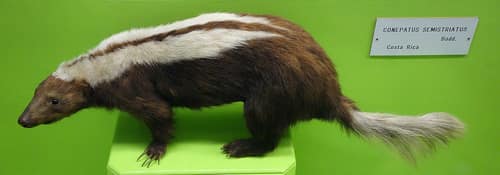
Same Genus Daderot / CC0 · cc0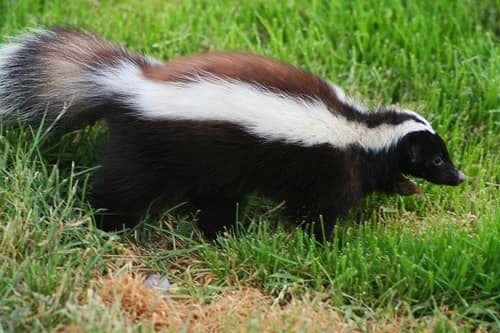
Same Genus https://www.flickr.com/people/payayita/ / CC BY-SA 2.0 · cc-by-sa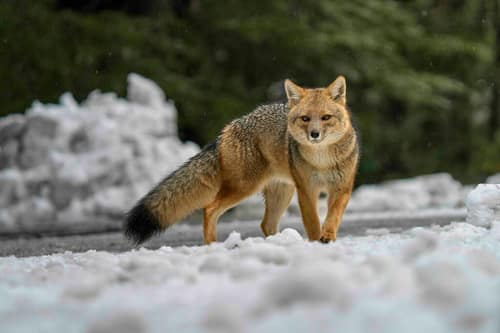
Predator (c) Luciano Massa, some rights reserved (CC BY), uploaded by Luciano Massa · cc-by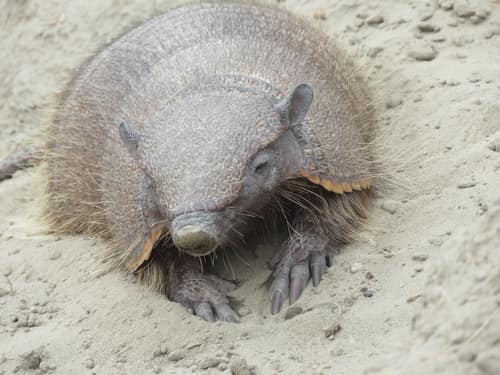
Frequent Companion no rights reserved, uploaded by Diego Carús · cc0
Help improve the field guideSomething wrong?
Checking your Fauna account…Report a name, category, or profile issue for review.