
Mammal
Harbor Seal
Phoca vitulinaAlso known as Common Seal, Harbour Seal, Atlantic Harbor Seal, Pacific Harbor Seal
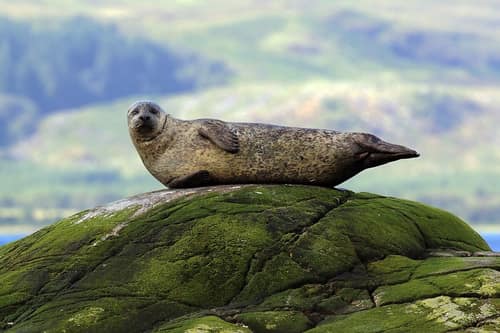
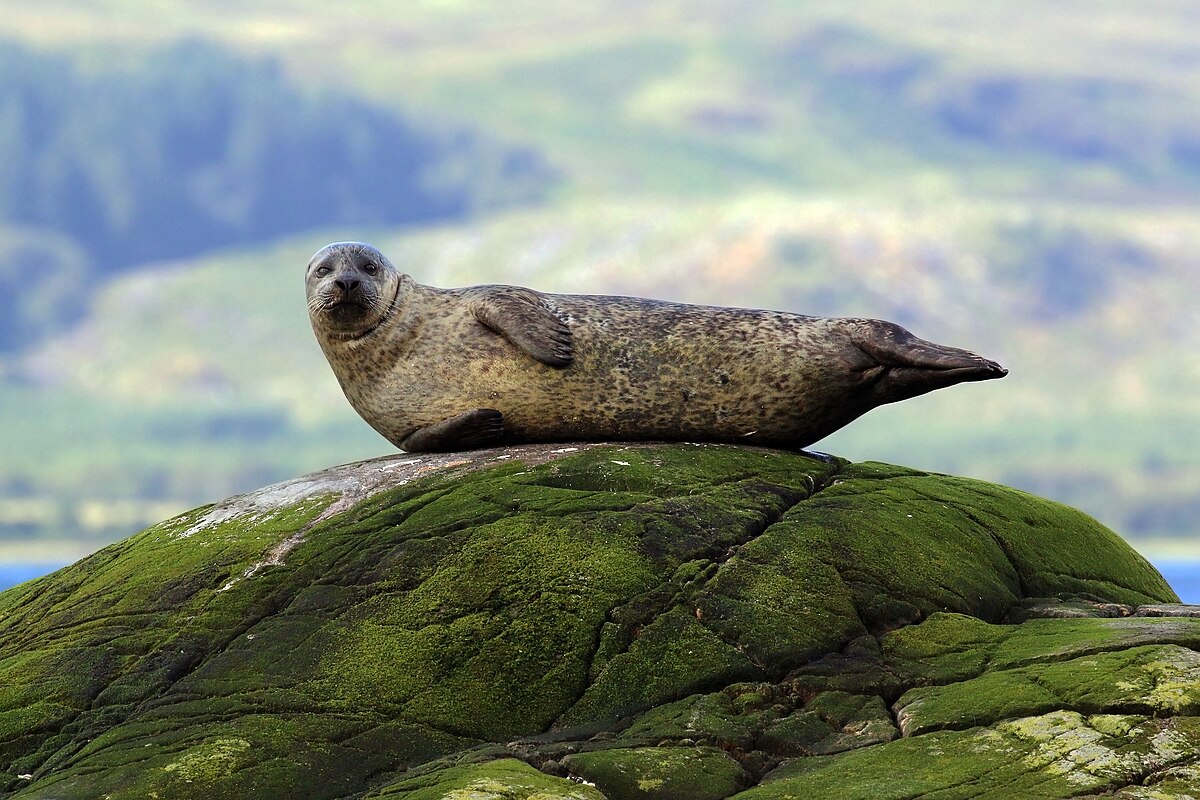
Harbor seals rest on rocky shores, sandbars, and mudflats between foraging trips, often adopting a banana-like posture with head and tail flippers raised off the ground. Their distinct V-shaped nostrils seal tightly shut underwater, allowing them to dive for up to twenty minutes in search of bottom-dwelling fish and squid. Mothers give birth to well-developed pups that can swim within hours of birth, vocalizing with sheep-like bleats to maintain contact in heavy surf.
Marine MammalAquaticCoastal
—observations
—countries
—peak records
Least ConcernConservation statusIUCN Red List categoriesLCNTVUENCREWEXLeast ConcernRed List categories, explained →
Diet & preyHerring, Cod, Squid
Predators
- Orca
- Great White Shark
- Steller Sea Lion
ThreatsEntanglement in fishing gear, marine pollution, boat strikes, and coastal disturbance
HabitatsCoastal waters, estuaries, bays, and rocky shores
Life span20–30 years
Classification
- OrderCarnivora
- FamilyPhocidae
- GenusPhoca
- SpeciesPhoca vitulina
N. Atlantic N. Pacific Arctic Ocean
Marine distribution — the ocean basins and seas where the species occurs.
Interaction riskLow
- Low
- Moderate
- High
- Very high
- Why interaction risk is low
- Can deliver a severe bite if crowded or handled; maintain a respectful distance on beaches and coastal rocks.
- What to notice
- Look for a dog-like rounded head, V-shaped nostrils, dark spots on light grey or brown fur, and lack of external ear flaps.
- Support conservation
- Maintain a generous buffer distance, keep dogs on a leash, and use optical zoom rather than approaching closer.
Responsible observation
- Observe from Distance: Stay at least 100 meters away on beaches to avoid causing stress or flushing seals into the water.
- Watch for Distress: A seal raising its flipper, fidgeting, or staring directly at you indicates you are too close.
- Leave Pups Alone: Mother seals frequently leave healthy pups on land while foraging, so never touch or relocate resting pups.
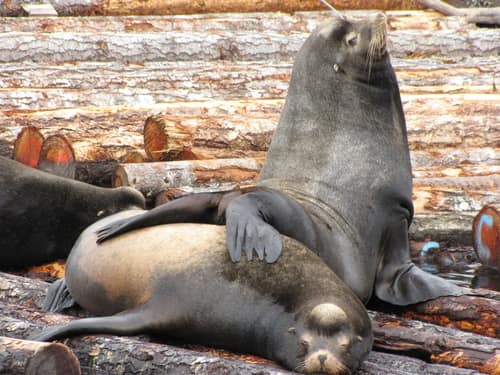
Coastal Neighbor (c) Liam Steele, some rights reserved (CC BY), uploaded by Liam Steele · cc-by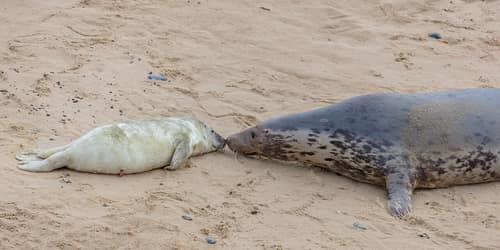
Co-occurring Relative Diego Delso / CC BY-SA 4.0 · cc-by-sa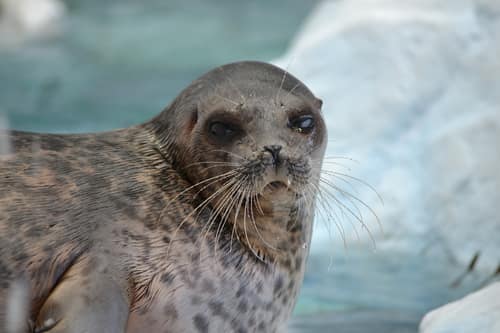
Close Relative (c) Kingfisher, some rights reserved (CC BY-SA) · cc-by-sa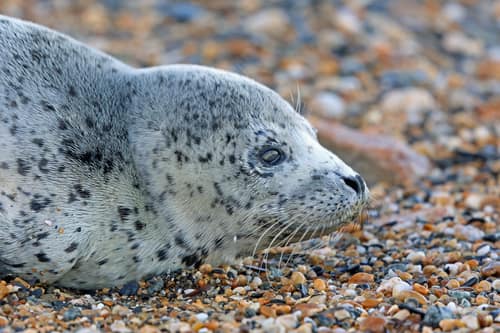
Close Relative (c) Nigel Voaden, some rights reserved (CC BY) · cc-by
Help improve the field guideSomething wrong?
Checking your Fauna account…Report a name, category, or profile issue for review.