
Mammal
Spotted-necked Otter
Hydrictis maculicollisAlso known as Speckle-throated Otter, Spotted-necked River Otter
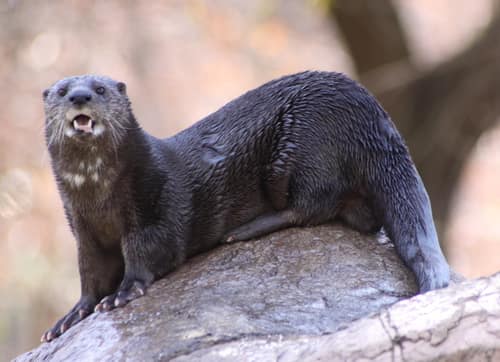
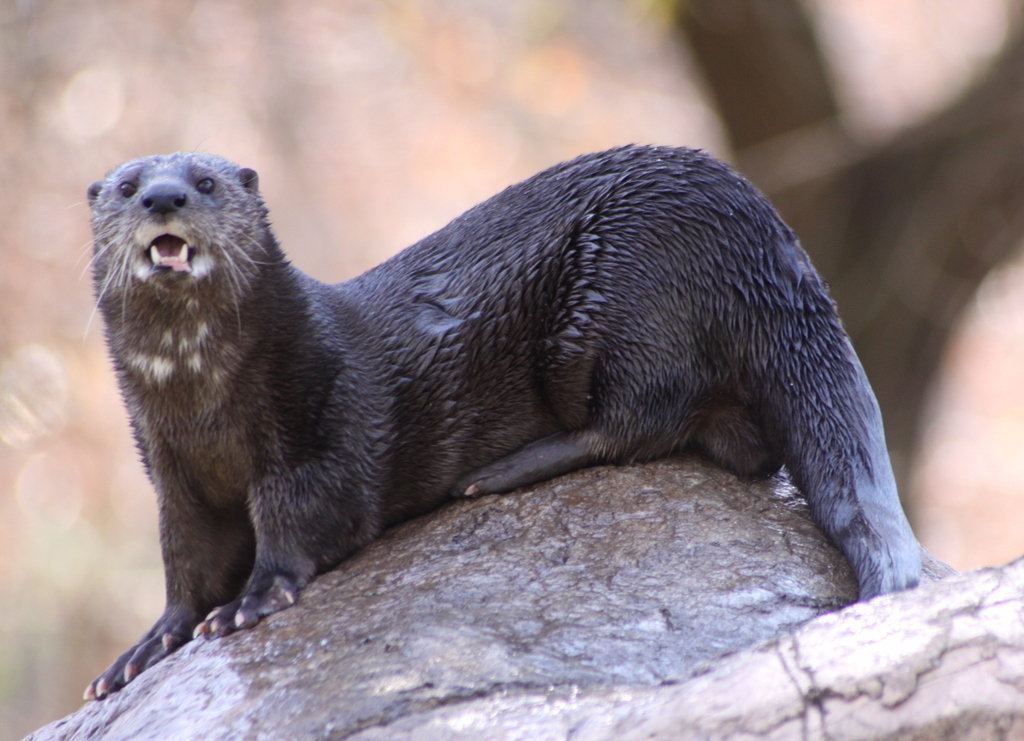
Spotted-necked otters are agile, sight-based hunters that dart through clear freshwater lakes and rapid streams in pursuit of fish. Highly vocal and playful, they produce high-pitched chirps and chitters to maintain contact while foraging among submerged boulders or resting in shoreline dens. Unlike many nocturnal mustelids, these sleek divers are primarily active during daylight and twilight, relying on clear water to locate fast-moving prey.
Semi-aquaticFreshwaterPlayful
—observations
—countries
—peak records
Near ThreatenedConservation statusIUCN Red List categoriesLCNTVUENCREWEXNear ThreatenedRed List categories, explained →
Diet & preyNile Tilapia, Freshwater Crabs, African Clawed Frog
Predators
- Nile Crocodile
- African Rock Python
- Martial Eagle
ThreatsDeclining water clarity from agricultural runoff, entanglement in fishing gillnets, habitat loss, and overfishing.
HabitatsDeep, clear freshwater lakes, rivers, and permanent streams with rocky shores and dense fringing vegetation.
Life span8–12 years in the wild; up to 20 years in captivity.
Classification
- FamilyMustelidae
- SpeciesHydrictis maculicollis
Native
Interaction riskLow
- Low
- Moderate
- High
- Very high
- Why interaction risk is low
- Capable of delivering a sharp defensive bite if cornered; observe peacefully from a safe distance.
- Why it is dangerous
- Strong jaws and sharp canines adapted for crunching crab carapaces can inflict deep lacerations and puncture wounds.
- How to recognize a risky encounter
- Recognized by a slender chocolate-brown body with distinctive cream or rufous blotches across the throat and chest.
- What to do
- Give swimming or resting otters plenty of space, and never corner or attempt to touch one along shorelines.
- What to notice
- Look for a slender, small-headed otter swimming smoothly with its head and speckled throat held high above the surface.
- Support conservation
- Keep boat traffic away from sheltered bays and avoid trampling dense shoreline reeds that serve as breeding dens.
Responsible observation
- Binocular Observation: Scan calm bays and rocky points during early morning when otters are most actively fishing.
- Boating Etiquette: Cut motor speed and drift quietly if otters surface nearby to prevent distressing them.
- Look For Spraints: Check flat, exposed shoreline rocks for dung containing crushed fish bones and crab carapaces.
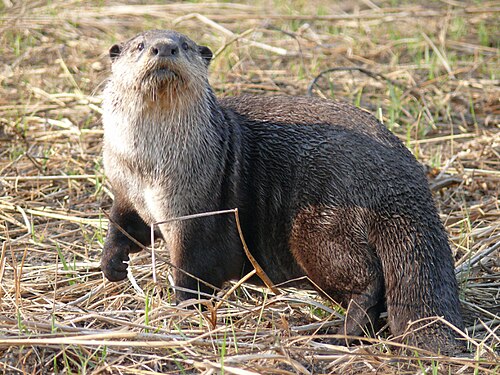
Competitor Mark Paxton of Shamvura Camp, Namibia, who releases it under the licenses below. JMK (talk) 20:54, 2 November 2013 (UTC) / CC BY-SA 3.0 · cc-by-sa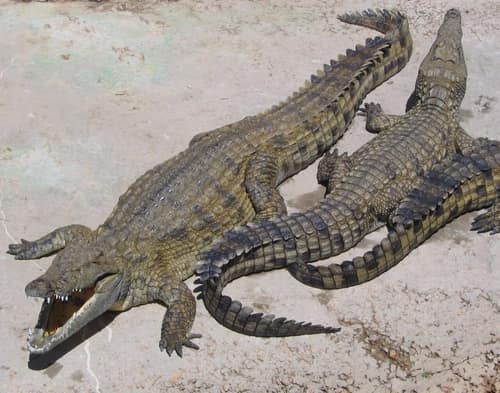
Predator Dewet / CC BY-SA 2.0 · cc-by-sa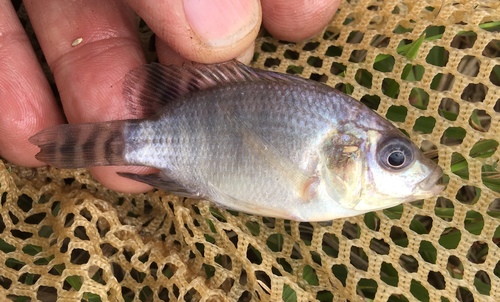
Prey no rights reserved · cc0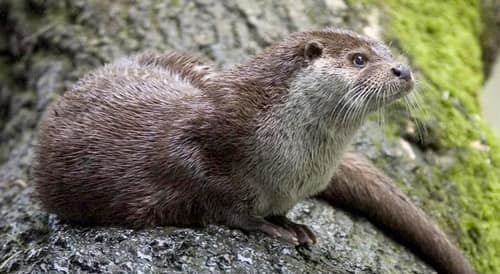
Same Family Bernard Landgraf / CC BY-SA 3.0 · cc-by-sa
Same Family Charles J. Sharp / CC BY-SA 4.0 · cc-by-sa
Keep collecting in Fauna
Found in Collections
Species set Pro
Shore Life
Spotted-necked Otter is found in this collection. Identify it in Fauna to fill this slot and continue your progress.
Unlock to track progress
Help improve the field guideSomething wrong?
Checking your Fauna account…Report a name, category, or profile issue for review.