
Mammal
Eurasian Otter
Lutra lutraAlso known as European Otter, Eurasian River Otter, Common Otter, Old World Otter
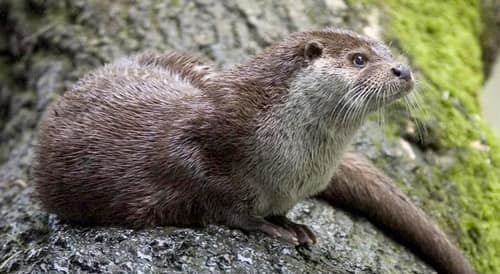
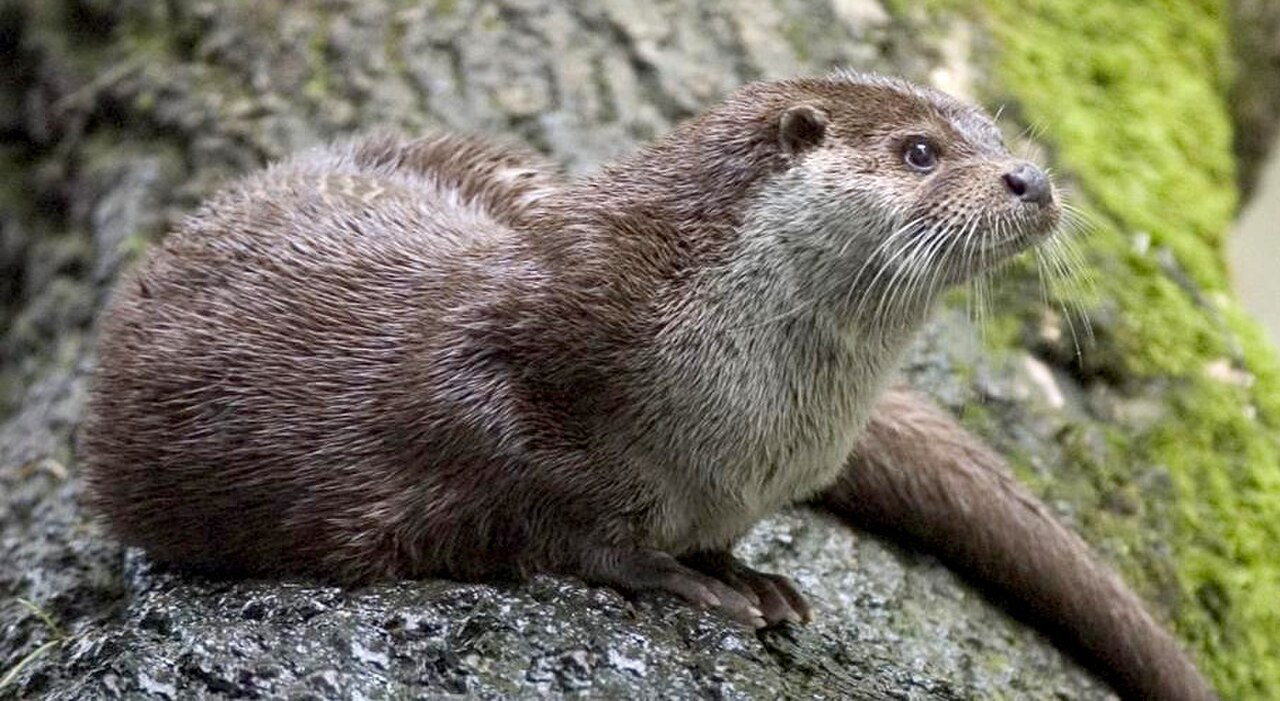
Eurasian otters are master navigators of freshwater rivers, lakes, and coastal shorelines, using sensitive whiskers to detect fish movements in murky water. Solitary and strongly territorial, adults mark their home ranges with distinctive tar-like droppings called spraint that scent-mark prominent rocks and bridge supports. Dens known as holts are carved among tree roots or rocky crevices, providing secure nurseries for young cubs born throughout the year.
SemiaquaticTerritorialCarnivore
—observations
—countries
—peak records
Near ThreatenedConservation statusIUCN Red List categoriesLCNTVUENCREWEXNear ThreatenedRed List categories, explained →
Diet & preyFish, Amphibians, Crayfish
Predators
- Wolves
- Eagles
- Domestic Dogs
ThreatsWater pollution, habitat destruction, road traffic strikes
HabitatsRivers, streams, lakes, coastal marine waters, marshes
Life span8–12 years in the wild
Classification
- OrderCarnivora
- FamilyMustelidae
- GenusLutra
- SpeciesLutra lutra
Native
Interaction riskLow
- Low
- Moderate
- High
- Very high
- Why interaction risk is low
- Wild otters can deliver a powerful bite if cornered; keep a respectful distance along waterways.
- Why it is dangerous
- Strong crushing jaws and sharp teeth designed for catching fish can inflict deep puncture wounds.
- How to recognize a risky encounter
- Sleek brown coat with a pale throat, webbed feet, and a thick tapered tail low in the water.
- What to do
- Never corner or approach a wild otter on a riverbank or near its den.
- What to notice
- Recognized by low swimming profile, five-toed muddy tracks, and tarry spraint on rocks.
- Support conservation
- Maintain a respectful distance from holt sites under roots or riverbanks to avoid disturbance.
Responsible observation
- Look for spraint: Search riverbank rocks and bridge footings for sweet-smelling, fishy droppings.
- Watch dawn and dusk: Scan quiet river stretches early in the morning for low-profile swimming.
- Keep dogs leashed: Protect both pets and otters along active riverbank corridors.
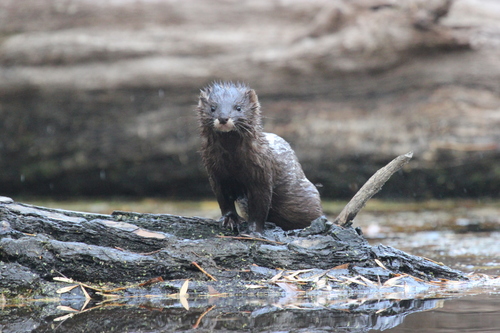
Co-occurring Mustelid (c) Алина Урусова, some rights reserved (CC BY), uploaded by Алина Урусова · cc-by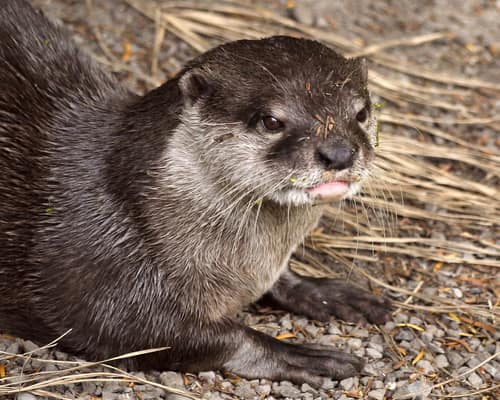
Close Relative "Asian Small-Clawed Otter" by SidPix is licensed under CC BY 2.0. To view a copy of this license, visit https://creativecommons.org/licenses/by/2.0/. · cc-by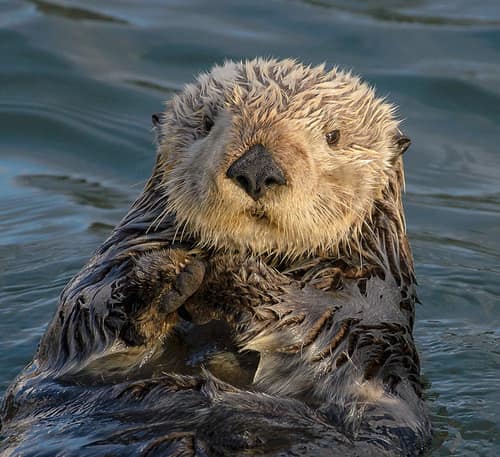
Close Relative Marshal Hedin from San Diego / CC BY-SA 2.0 · cc-by-sa
Keep collecting in Fauna
Found in Collections
Species set Pro
Shore Life
Eurasian Otter is found in this collection. Identify it in Fauna to fill this slot and continue your progress.
Unlock to track progress
Help improve the field guideSomething wrong?
Checking your Fauna account…Report a name, category, or profile issue for review.