
Mammal
Marine Otter
Lontra felinaAlso known as Chingungo, Gato Marino, Sea Cat
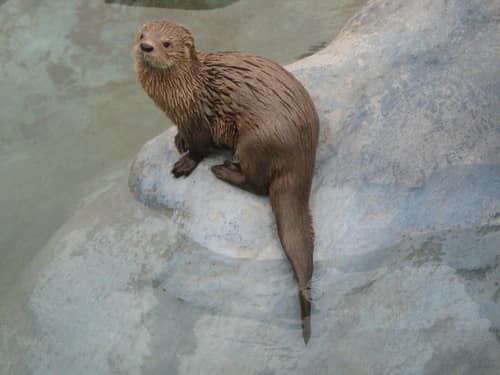
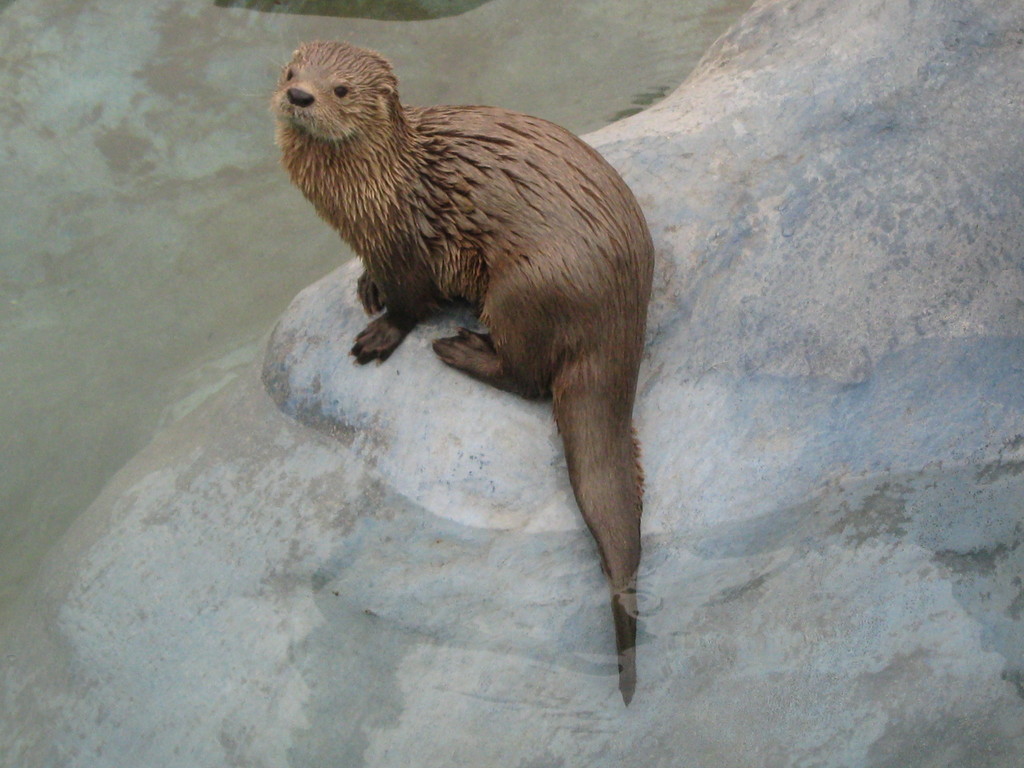
Marine otters navigate the turbulent surf and wave-battered rocky shores of the southeastern Pacific, hauling out onto sea caves and jagged rock crevices to rest and groom. Solitary foragers by nature, they dive among kelp forests and intertidal reefs to snare crustaceans and mollusks before floating on their backs to consume prey. Heavy historical hunting for their dense pelt, along with ongoing coastal pollution, entanglement in gillnets, and shoreline development, has severely fragmented their remaining populations.
MarineCarnivore
—observations
—countries
—peak records
EndangeredConservation statusIUCN Red List categoriesLCNTVUENCREWEXEndangeredRed List categories, explained →
Diet & preyShore Crabs, Limpets, Rockfish
Predators
- Killer Whale
- Large Sharks
- Feral Dogs
ThreatsFishery bycatch in gillnets, poaching, habitat destruction, and marine pollution
HabitatsRocky ocean coastlines, sea caves, and intertidal kelp forests
Life span10–12 years in the wild
Classification
- FamilyMustelidae
- SpeciesLontra felina
Native
Interaction riskLow
- Low
- Moderate
- High
- Very high
- Why interaction risk is low
- Possesses sharp teeth and can bite if cornered; observe from a respectful distance.
- What to notice
- Recognizable as a diminutive, dark brown coastal otter with stiff whiskers and a silvery, grizzled underbelly.
- Support conservation
- Maintain a generous buffer of at least 50 meters and never block access between the otter and the surf.
Responsible observation
- Binocular scanning: Scan wave-washed rocks and kelp beds where heads pop up between breaking swells.
- Shoreline distance: Stay well back from sea caves and rocky haul-outs to avoid flushing resting otters.
- Pet control: Keep domestic dogs leashed near rocky shores to prevent fatal attacks on resting otters.
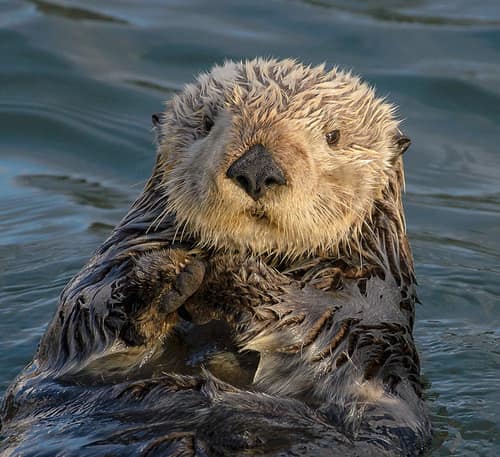
Ecological Counterpart Marshal Hedin from San Diego / CC BY-SA 2.0 · cc-by-sa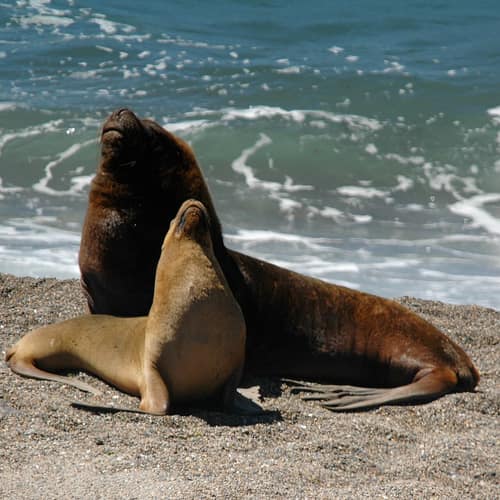
Neighbor Vince Smith / CC BY-SA 2.0 · cc-by-sa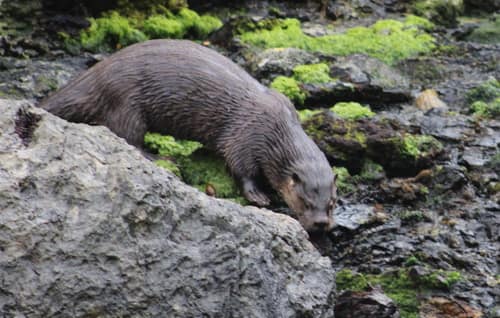
Close Relative "Southern River Otter" by Henrik Kibak is licensed under CC BY 4.0. To view a copy of this license, visit https://creativecommons.org/licenses/by/4.0/. · cc-by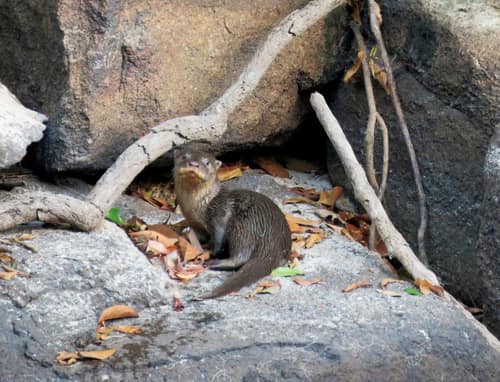
Close Relative (c) Sidnei Dantas, some rights reserved (CC BY-SA), uploaded by Sidnei Dantas · cc-by-sa
Help improve the field guideSomething wrong?
Checking your Fauna account…Report a name, category, or profile issue for review.