
Mammal
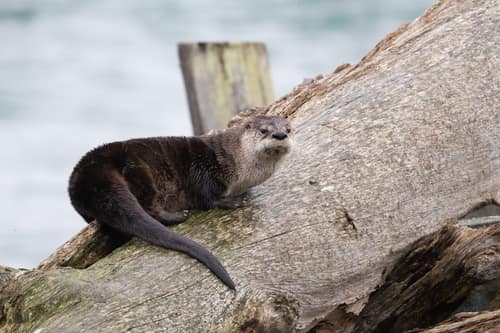
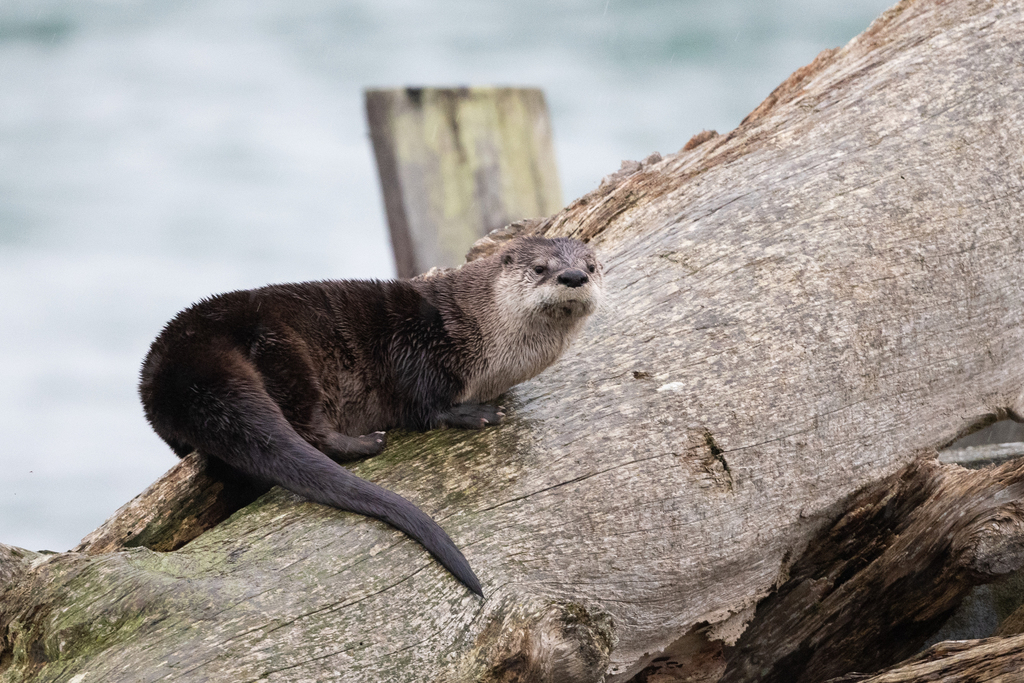
North American River Otter
Lontra canadensisAlso known as Northern River Otter, Common Otter
North American river otters construct dens along riverbanks, inland waterways, and coastal shorelines, often repurposing abandoned beaver lodges or burrows. They possess dense, water-repellent fur with roughly 57,000 hairs per square centimeter, keeping them warm while swimming through ice-bound winter waters. Renowned for sliding down muddy slopes and icy banks, their playful social interactions reinforce group bonds and sharpen hunting skills.
SemiaquaticCarnivorePlayful
—observations
—countries
—peak records
Least ConcernConservation statusIUCN Red List categoriesLCNTVUENCREWEXLeast ConcernRed List categories, explained →
Diet & preyFish, Crayfish, Frogs
Predators
- Coyote
- Bobcat
- American Alligator
ThreatsHabitat degradation, water pollution, vehicle strikes
HabitatsRivers, streams, lakes, ponds, marshes, coastal bays
Life span8–9 years in the wild
Classification
- OrderCarnivora
- FamilyMustelidae
- GenusLontra
- SpeciesLontra canadensis
Native
Interaction riskLow
- Low
- Moderate
- High
- Very high
- Why interaction risk is low
- Capable of delivering a sharp bite if cornered; observe from a respectful distance.
- Why it is dangerous
- Possesses strong jaws and sharp teeth designed to crunch hard crayfish shells, which can cause deep puncture wounds if handled.
- How to recognize a risky encounter
- Recognize by a sleek dark brown coat, pale throat patch, broad webbed feet, and thick muscular tail.
- What to do
- Maintain a safe distance along water edges and never attempt to feed or approach wild individuals.
Responsible observation
- Patience at Dawn: Scan calm river bends and lake edges during early morning or dusk when foraging activity peaks.
- Look for Tracks: Search muddy or snowy banks for characteristic slide marks alongside paired five-toed paw prints.
- Keep Safe Distance: Use binoculars or telephoto lenses to observe natural swimming and playing without causing stress.
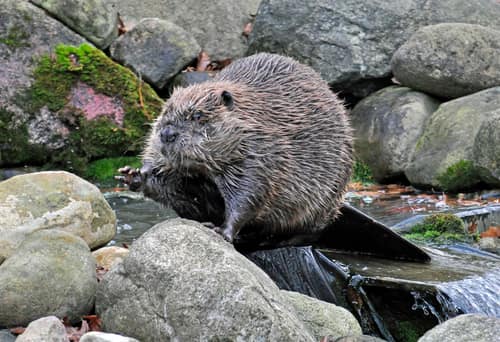
Habitat Engineer (c) Rodney Campbell, some rights reserved (CC BY) · cc-by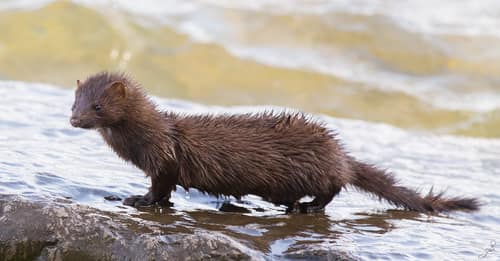
Semiaquatic Kin "American Mink, Centre Island, Toronto, ON" by tsaiproject is licensed under CC BY 2.0. To view a copy of this license, visit https://creativecommons.org/licenses/by/2.0/. · cc-by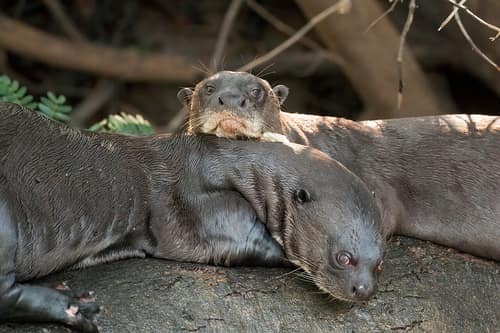
South American Cousin Charles J. Sharp / CC BY-SA 4.0 · cc-by-sa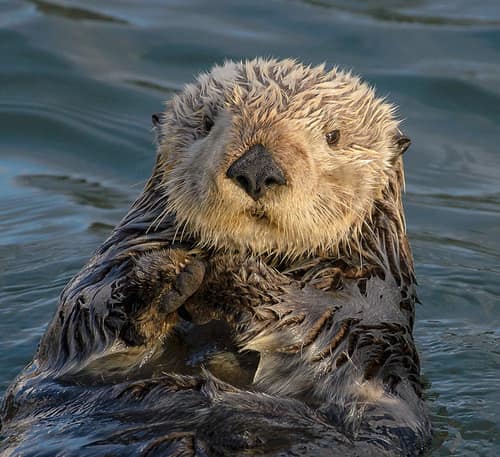
Marine Relative Marshal Hedin from San Diego / CC BY-SA 2.0 · cc-by-sa
Keep collecting in Fauna
Found in Collections
Species set Pro
Shore Life
North American River Otter is found in this collection. Identify it in Fauna to fill this slot and continue your progress.
Unlock to track progress
Help improve the field guideSomething wrong?
Checking your Fauna account…Report a name, category, or profile issue for review.