
Mammal
Giant Otter
Pteronura brasiliensisAlso known as Giant River Otter, River Wolf
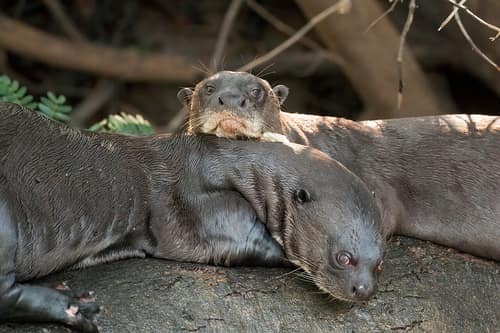
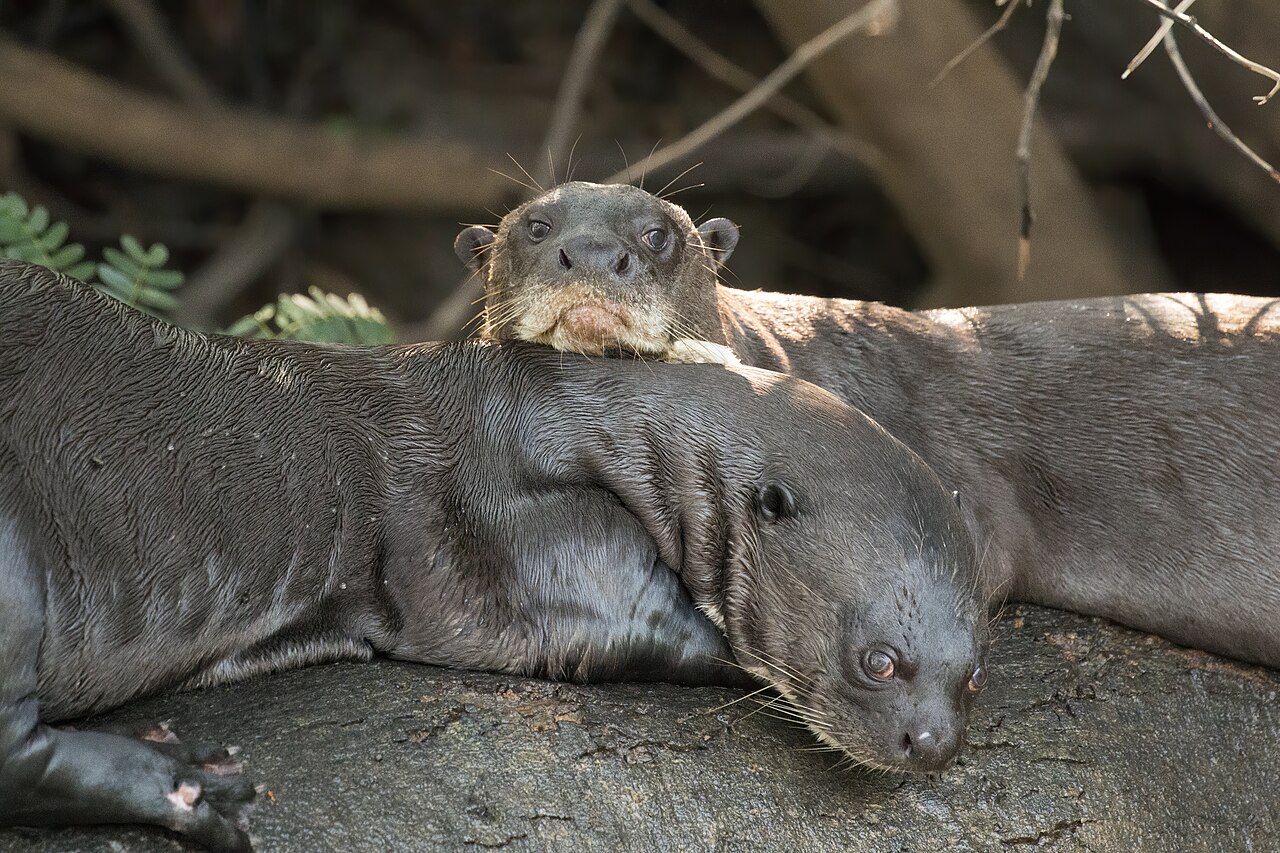
Giant otters are the top aquatic predators of South America's rivers and wetlands, easily recognized by their massive bodies, velvet-brown coats, and unique throat patches that act like individual fingerprints. Living in highly vocal, cooperative family groups led by a dominant breeding pair, they hunt fish continuously throughout the day using keen vision and sensitive whiskers. Their territorial river banks feature cleared campsite areas and communal latrines, which serve as vital social signaling hubs.
DiurnalAquaticSocial
—observations
—countries
—peak records
EndangeredConservation statusIUCN Red List categoriesLCNTVUENCREWEXEndangeredRed List categories, explained →
Diet & preyCichlids, Characin Fish, Catfish
Predators
- Black Caiman
- Jaguar
- Green Anaconda
ThreatsHabitat loss, water pollution from gold mining, human encroachment, and historical pelt poaching
HabitatsTropical freshwater rivers, streams, slow-moving creeks, and flooded forest lakes
Life span8–12 years in the wild (up to 17 years in captivity)
Classification
- OrderCarnivora
- FamilyMustelidae
- GenusPteronura
- SpeciesPteronura brasiliensis
Native
Interaction riskHigh
- Low
- Moderate
- High
- Very high
- Why interaction risk is high
- Capable of delivering powerful, dangerous bites when protecting young or territory; maintain a safe distance from boats.
- Why it is dangerous
- Equipped with extremely powerful jaws and sharp teeth designed to crush thick fish scales and bones, capable of inflicting severe wounds.
- How to recognize a risky encounter
- Look for a massive brown body reaching up to 1.8 meters, a flattened paddle-like tail, and prominent cream-colored neck patches.
- What to do
- Always remain in a boat at a respectful distance of at least 50 meters and never attempt to swim near or feed wild otters.
- What to notice
- Identified by loud percussive chuffing or barking calls along river edges and distinctive cream patches on the throat.
- Support conservation
- Keep motorized watercraft slow and quiet near active dens or campsites to avoid disrupting breeding pairs and vulnerable pups.
Responsible observation
- Keep distance: Maintain at least 50 meters between your watercraft and otter family groups to avoid causing stress.
- Listen carefully: Pay attention to loud chuffs, barks, or hums that signal family location or defensive warnings.
- Watch campsite areas: Look for cleared riverbanks with flat mud pads where groups rest, groom, and mark territory.
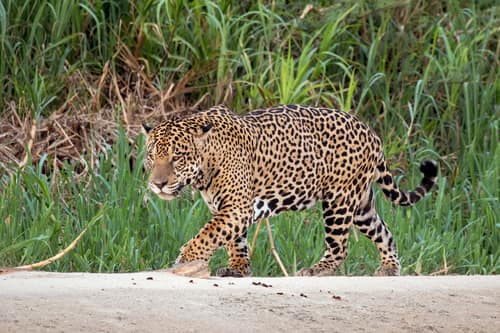
Competitor (c) Charles J. Sharp , some rights reserved (CC BY-SA) · cc-by-sa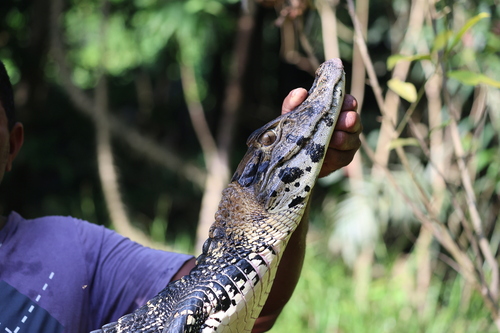
Competitor (c) Matheus Oliveira, some rights reserved (CC BY) · cc-by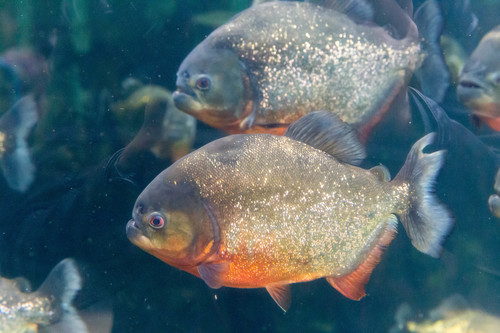
Prey (c) Marco Verch, some rights reserved (CC BY) · cc-by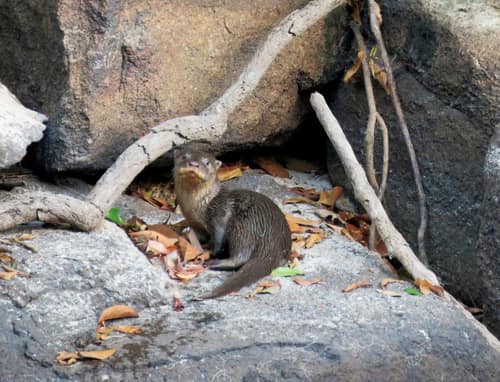
Close Relative (c) Sidnei Dantas, some rights reserved (CC BY-SA), uploaded by Sidnei Dantas · cc-by-sa
Keep collecting in Fauna
Found in Collections
Species set Pro
Shore Life
Giant Otter is found in this collection. Identify it in Fauna to fill this slot and continue your progress.
Unlock to track progress
Help improve the field guideSomething wrong?
Checking your Fauna account…Report a name, category, or profile issue for review.