
Mammal
Sea Otter
Enhydra lutrisAlso known as Northern Sea Otter, Southern Sea Otter, Californian Sea Otter
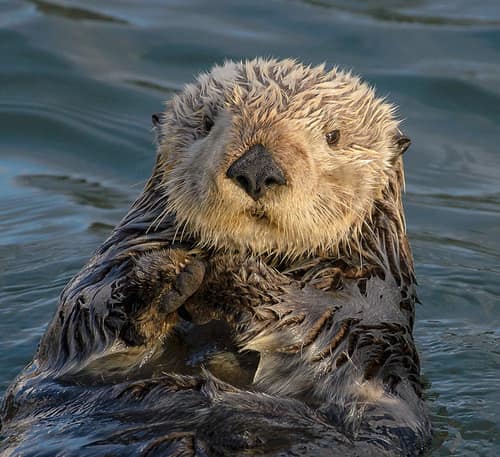
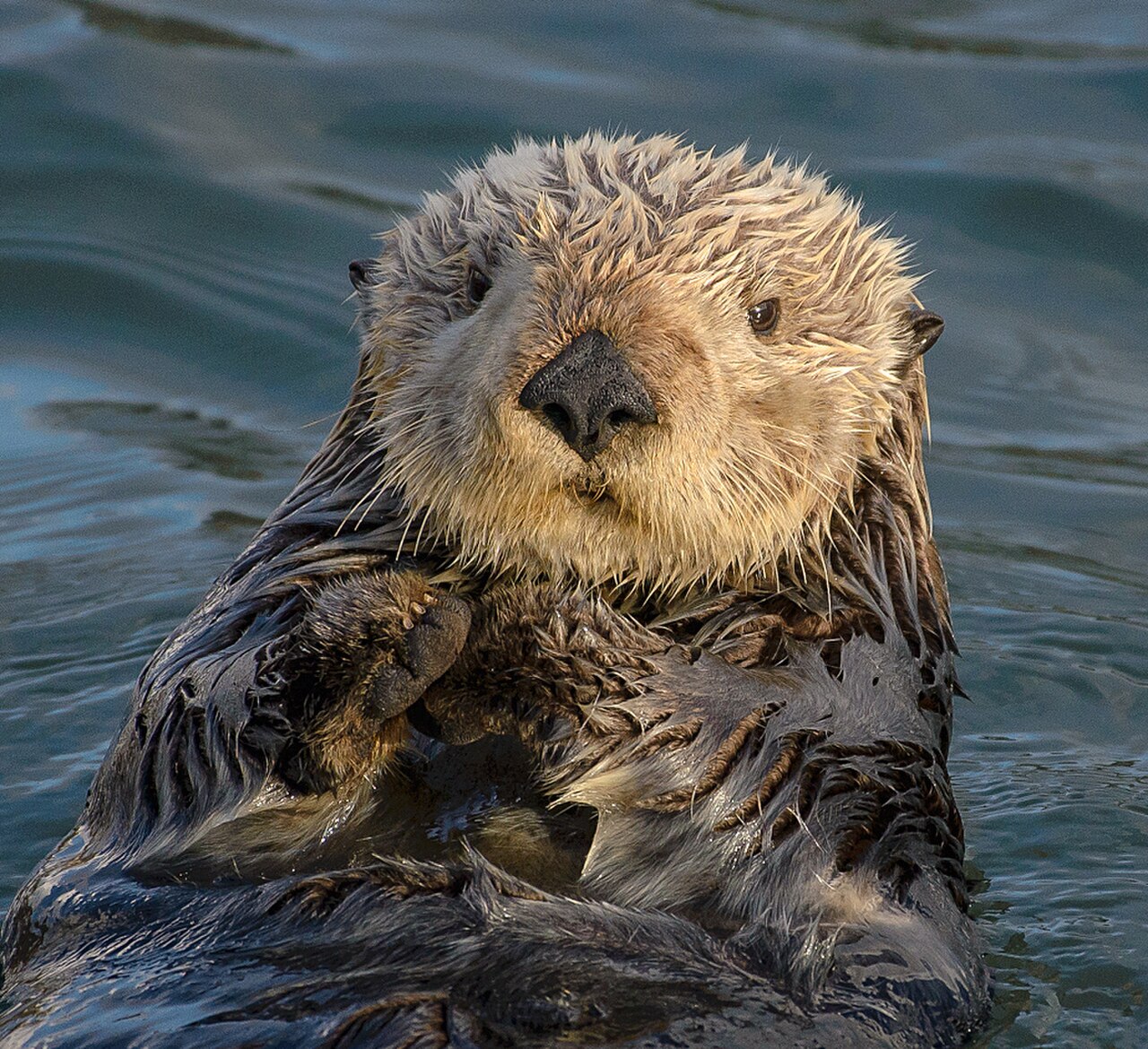
Sea otters float buoyantly in dense kelp forests, using specialized loose skin pockets under their forelegs to store gathered shellfish and stone tools. They spend hours meticulously grooming their fur, which traps air bubbles to keep cold ocean water off their skin. Keystone predators of the Pacific coast, their appetite for sea urchins prevents underwater forests from being grazed down to barren rock.
Marine MammalKeystone SpeciesTool User
—observations
—countries
—peak records
EndangeredConservation statusIUCN Red List categoriesLCNTVUENCREWEXEndangeredRed List categories, explained →
Diet & preySea Urchin, Dungeness Crab, Marine Mussel
Predators
- Great White Shark
- Killer Whale
- Bald Eagle
ThreatsOil spills, habitat degradation, entanglements in fishing gear, shark predation
HabitatsCoastal marine waters, kelp forests, rocky shores
Life span15–20 years
Classification
- OrderCarnivora
- FamilyMustelidae
- GenusEnhydra
- SpeciesEnhydra lutris
N. Pacific
Marine distribution — the ocean basins and seas where the species occurs.
Interaction riskLow
- Low
- Moderate
- High
- Very high
- Why interaction risk is low
- Has powerful jaws and sharp teeth; maintain a safe distance of at least 50 meters.
- Why it is dangerous
- Possesses extremely strong jaw muscles and sharp teeth capable of crushing hard clam shells, inflicting severe bites if handled.
- How to recognize a risky encounter
- Distinguished by dark, dense fur, a lighter yellowish face, flipper-like hind feet, and a thick tail.
- What to do
- Never approach stranded or resting otters on beaches; report injured animals to local marine rescue teams.
- What to notice
- Look for webbed hind feet and a thick fur coat while observing animals floating in nearshore kelp beds.
- Support conservation
- Give floating rafts wide berth and use binoculars or telephoto lenses to observe without causing them to dive.
Responsible observation
- Safe Distance: Maintain at least 50 meters of separation on the water to avoid disturbing resting rafts.
- Observe Behavior: Look for floating otters using flat stones on their chests to break open hard shells.
- Kelp Anchors: Watch near kelp beds where otters wrap themselves in canopy fronds before sleeping.
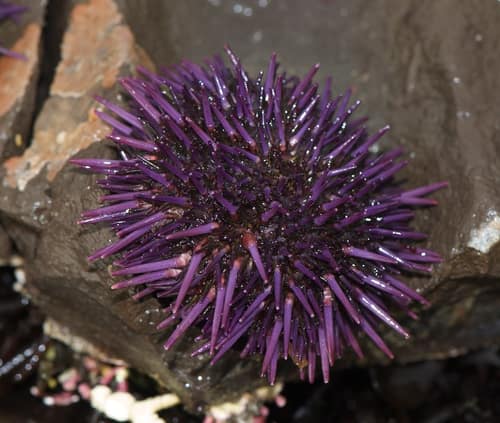
Prey (c) Jerry Kirkhart, some rights reserved (CC BY) · cc-by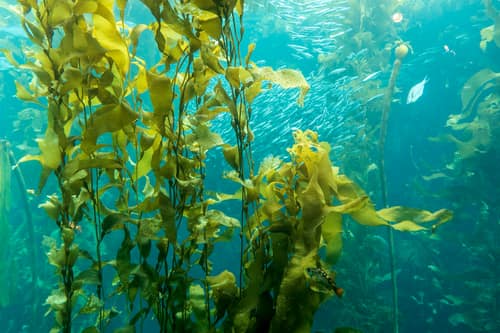
Habitat Partner "Giant kelp (Macrocystis pyrifera), Monterey Bay aquarium, California" by LT&C is licensed under CC BY 2.0. To view a copy of this license, visit https://creativecommons.org/licenses/by/2.0/. · cc-by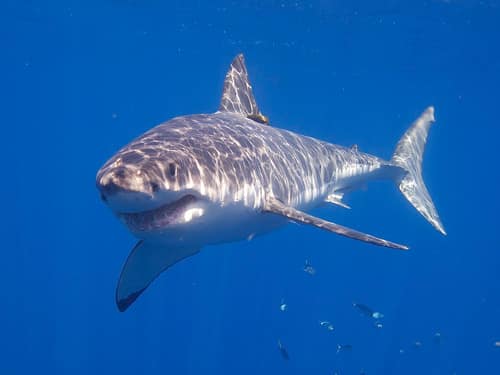
Predator "Great White Shark" by Elias Levy is licensed under CC BY 2.0. To view a copy of this license, visit https://creativecommons.org/licenses/by/2.0/. · cc-by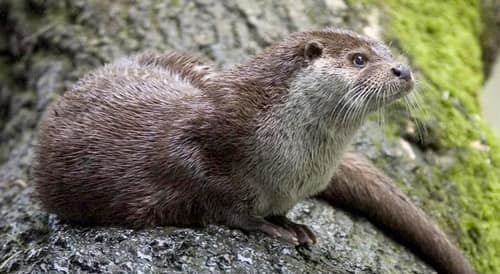
Close Relative Bernard Landgraf / CC BY-SA 3.0 · cc-by-sa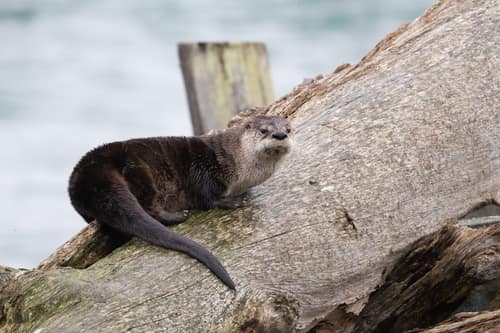
Close Relative no rights reserved, uploaded by Adam Jackson · cc0
Keep collecting in Fauna
Found in Collections
Species set Pro
Shore Life
Sea Otter is found in this collection. Identify it in Fauna to fill this slot and continue your progress.
Unlock to track progress
Help improve the field guideSomething wrong?
Checking your Fauna account…Report a name, category, or profile issue for review.